
Gear.
Thermometers, chimney starters, tongs, gloves, configuration accessories — the tools that earn their place at the fire. What each does, when it pays off, and where it falls short.
Essential Gear
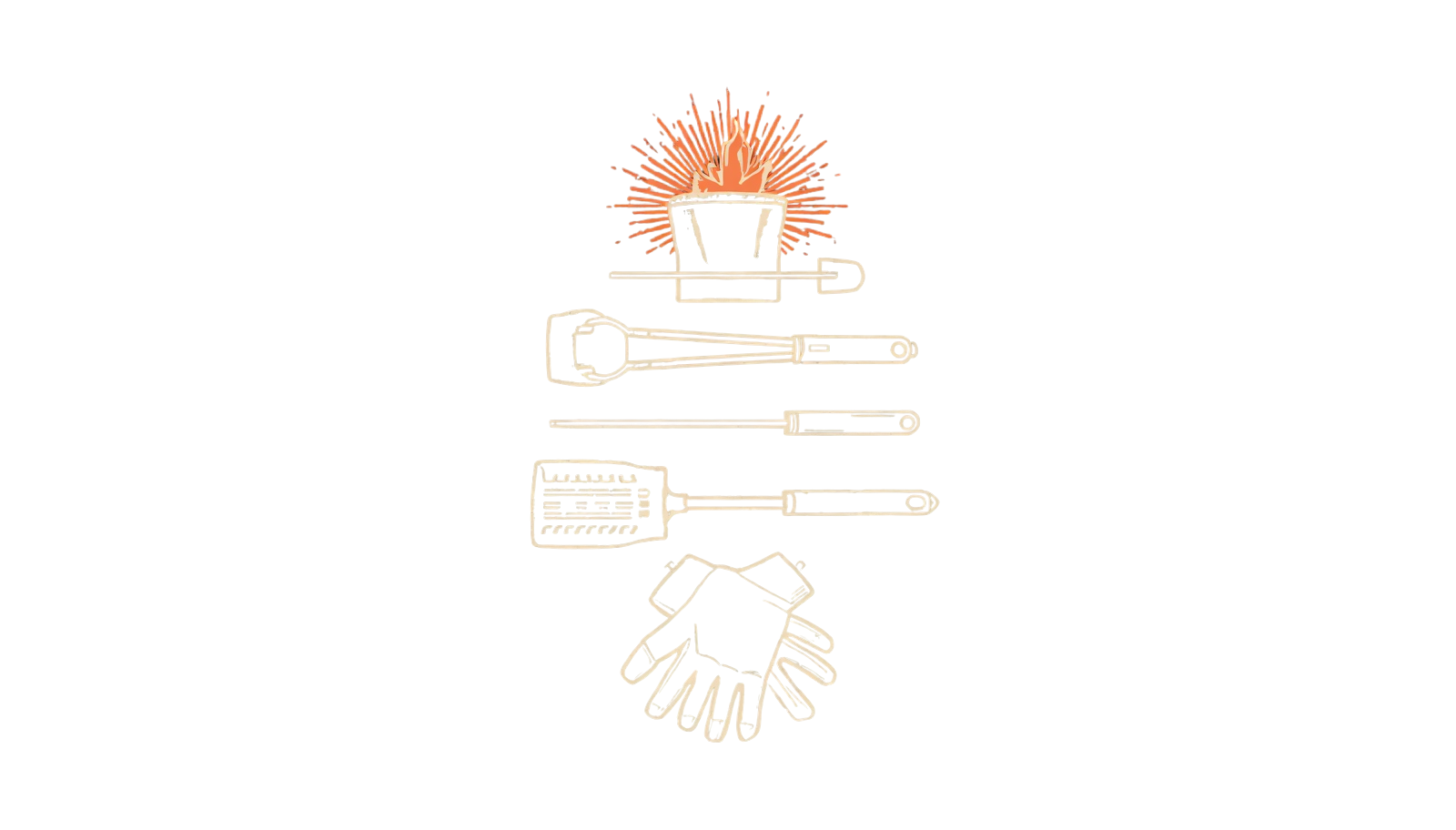
The kit that actually matters — instant-read thermometer, chimney starter, long tongs, heat-resistant gloves, and a spatula. About $95 to start; everything else is sequenced by what you cook and how.
Read the guide →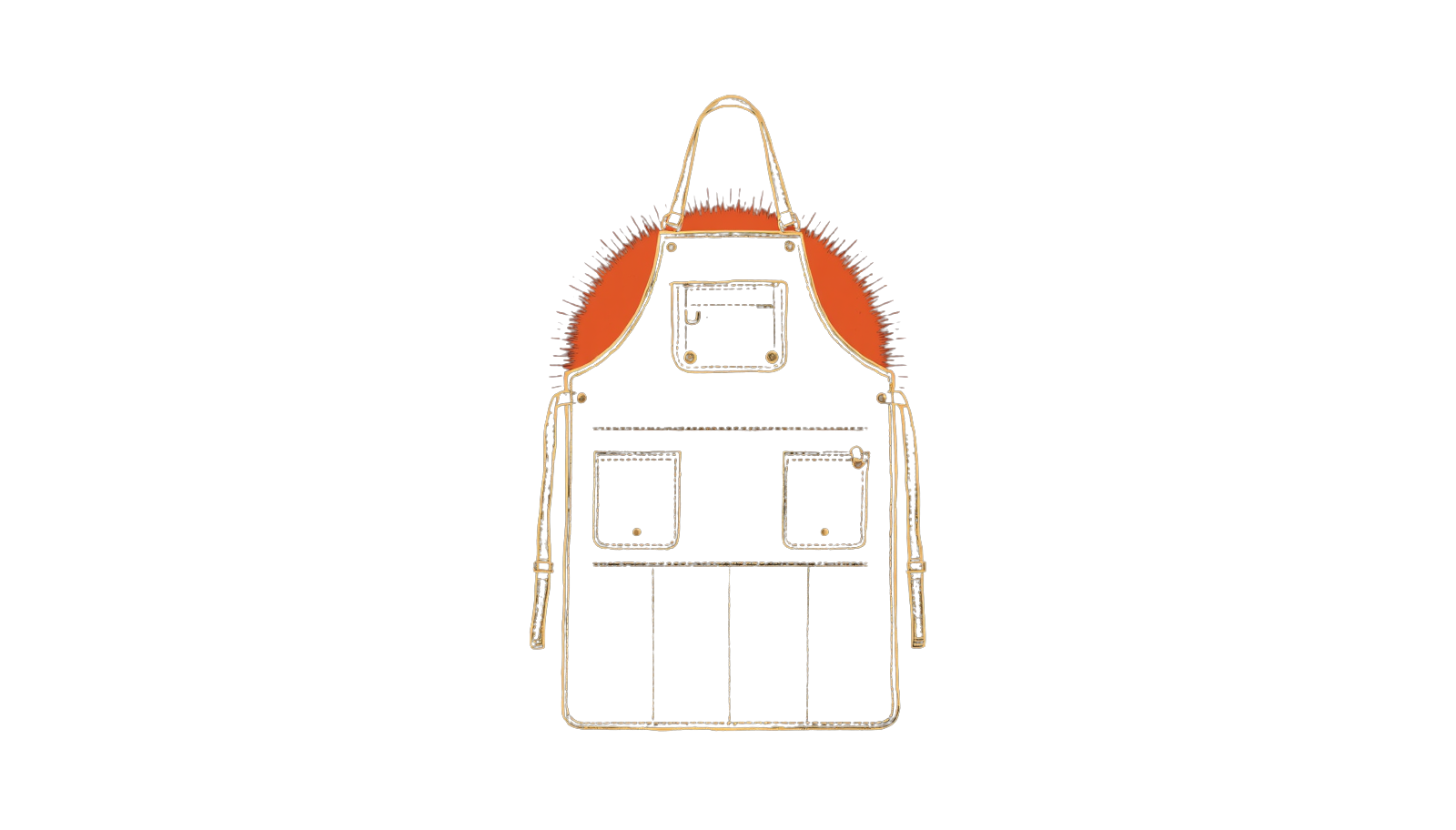
Apron
Read →Heat and grease protection for the pit cook — heavy canvas, waxed canvas, or full-grain leather, with pockets for thermometer and tongs. The Aaron Franklin leather bib is the iconic Texas-pit version.
BBQ Fork
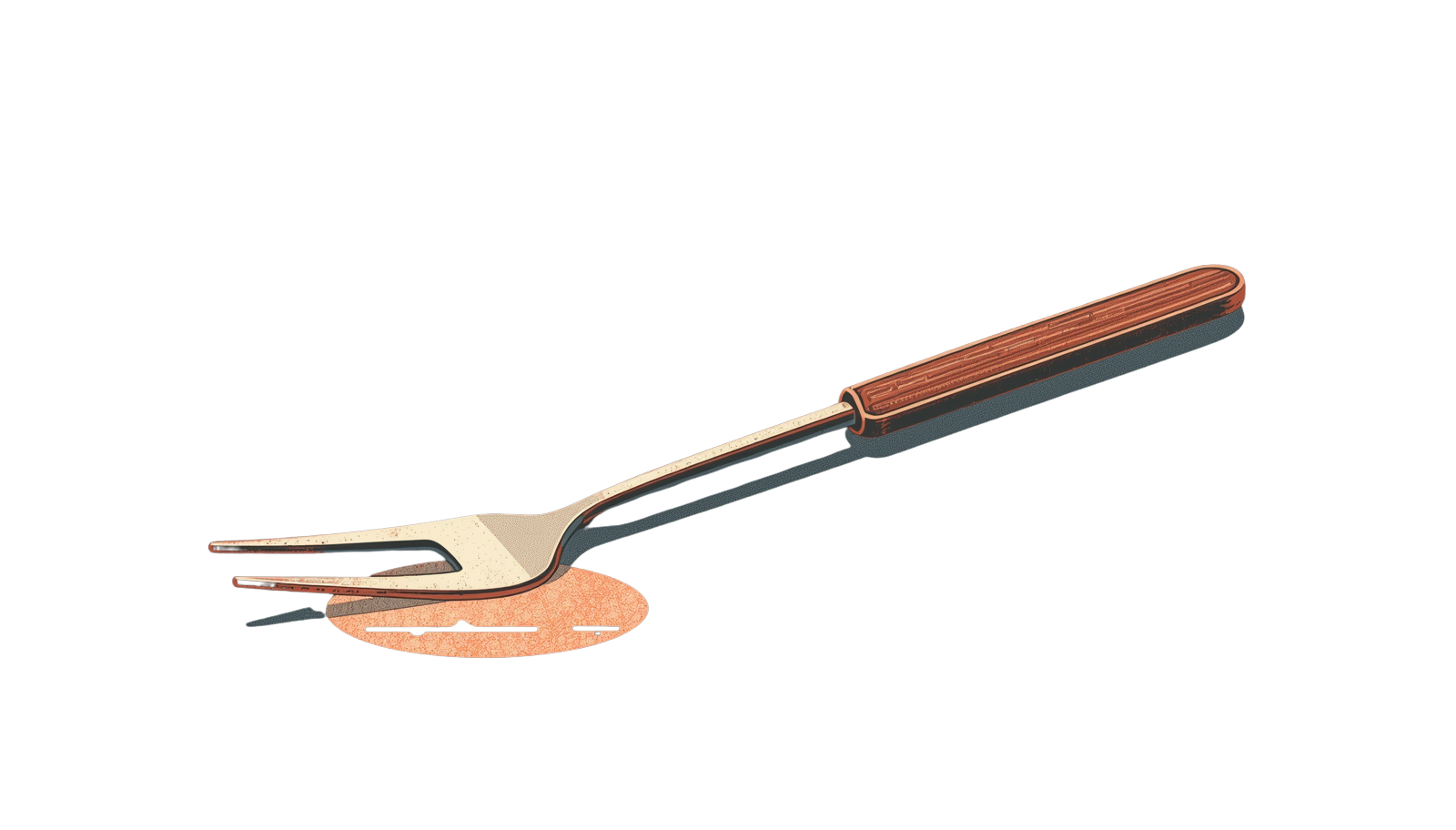
Read →The long two-tined fork that comes with every starter BBQ set. Most pitmasters skip it — tongs do the lifting better, and a fork punctures the crust. Legit uses are post-cook carving and moving logs in the firebox.
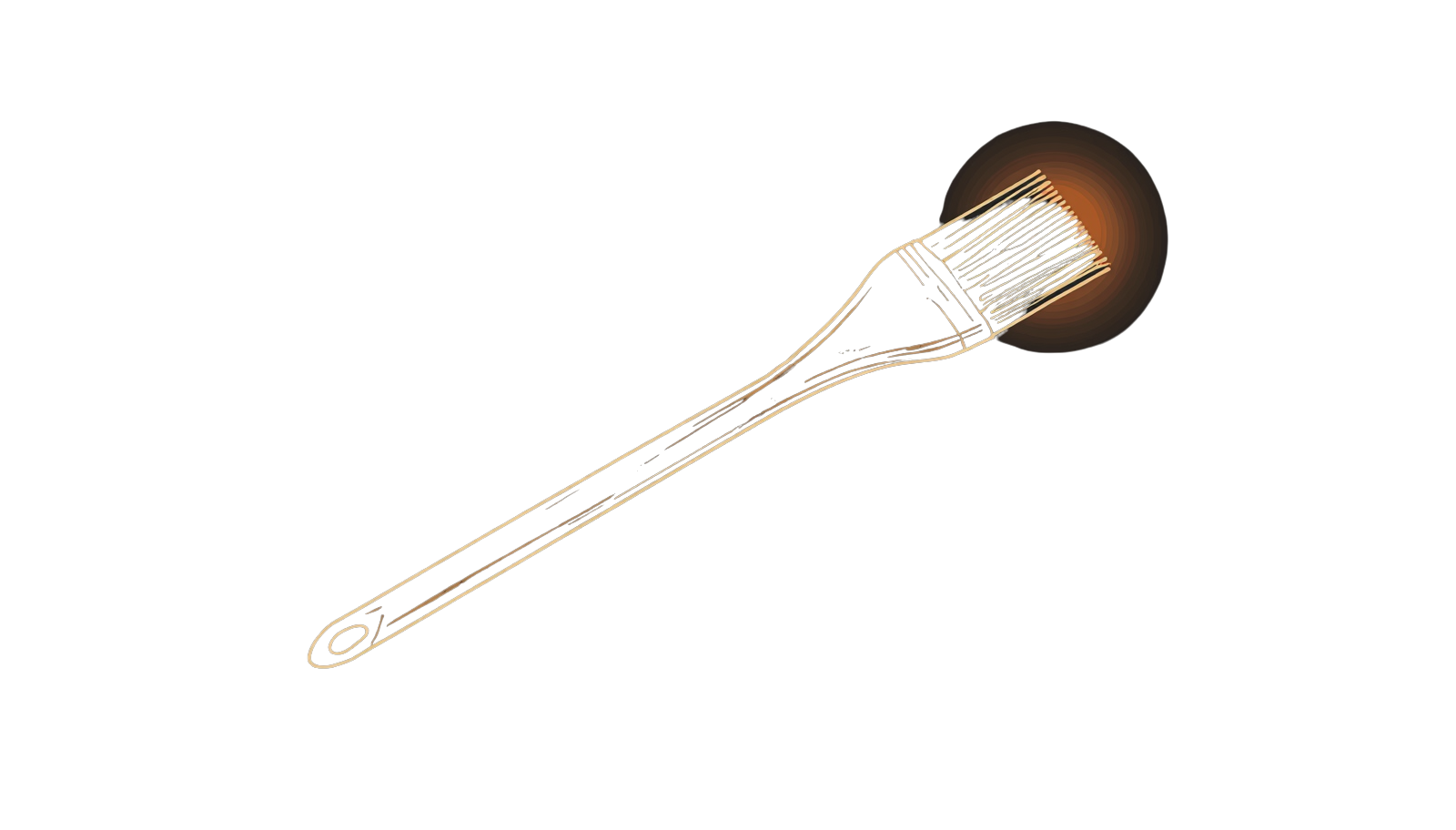
Basting Brush
Read →The hand tool used to apply sauce, butter, glaze, or marinade to meat during a cook. Three flavors dominate: heat-safe silicone, natural boar-bristle, and the Carolina-style cotton sauce mop. Not to be confused with a grill brush, which cleans grates.
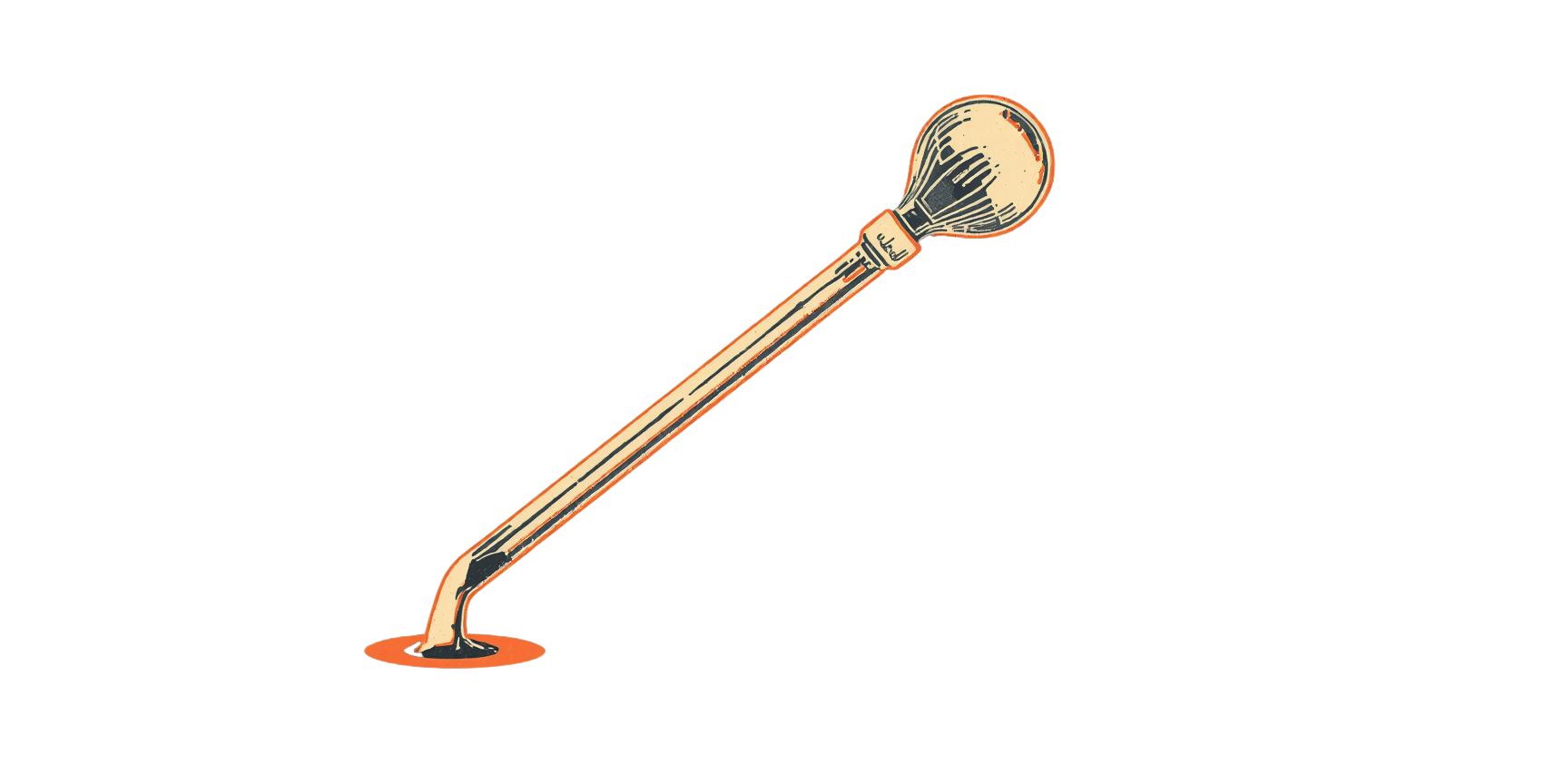
Baster
Read →The bulb-and-tube turkey baster — squeeze bulb on top, narrow tube reaching into the pan. Used to draw drippings and apply them back over a roast or smoked bird mid-cook. Useful only if what's in it is fat.
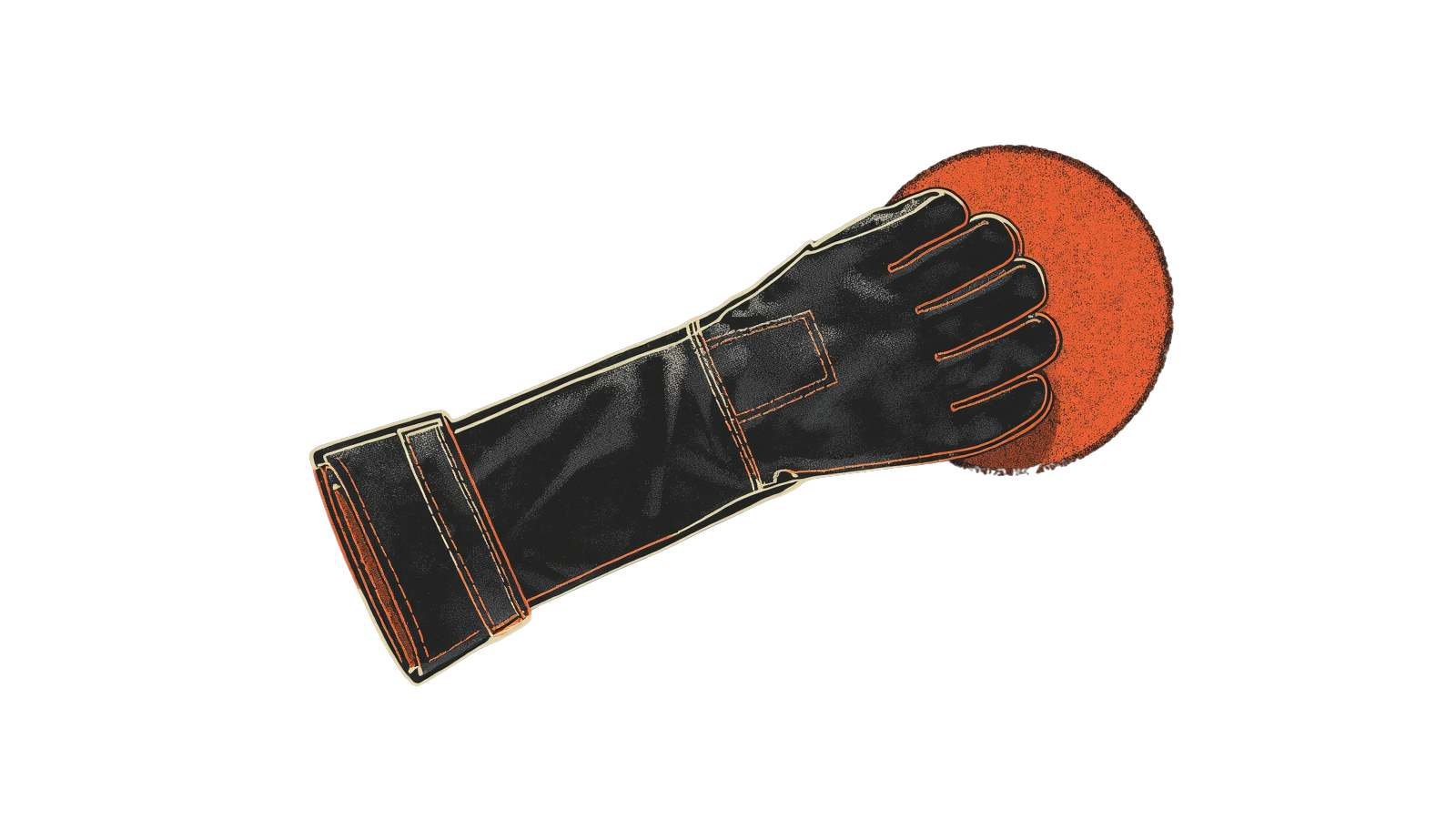
BBQ Gloves
Read →Heat-resistant gloves for grill and pit work — leather gauntlets for fire and grates, silicone for hot food, cotton-lined fabric for general handling. Different materials for different jobs.
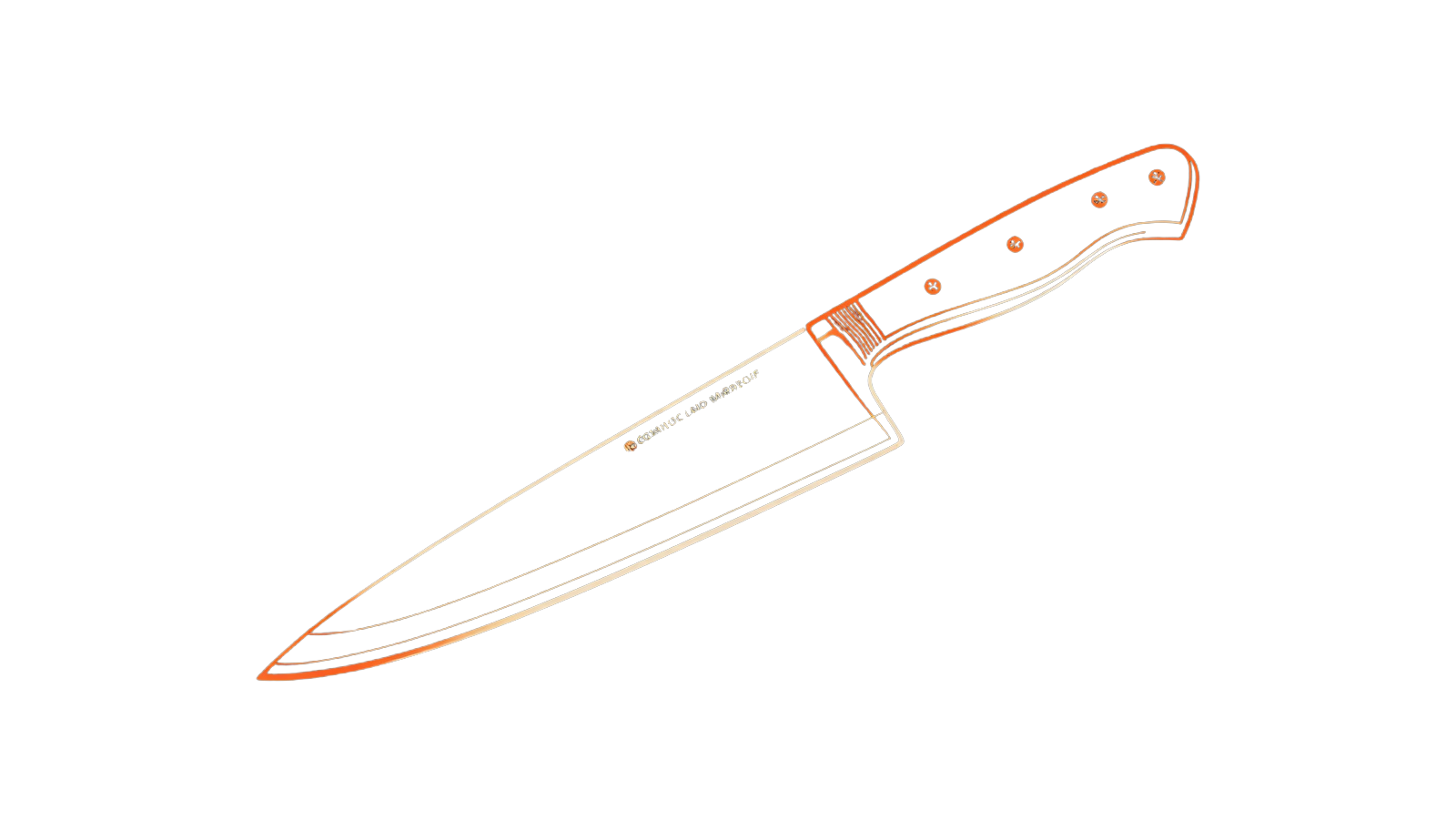
Boning Knife
Read →A curved, flexible 5–7" blade for raw prep — trimming brisket fat cap, lifting silver skin, jointing chicken, separating ribs from spine. The brisket-trim companion to the slicer.
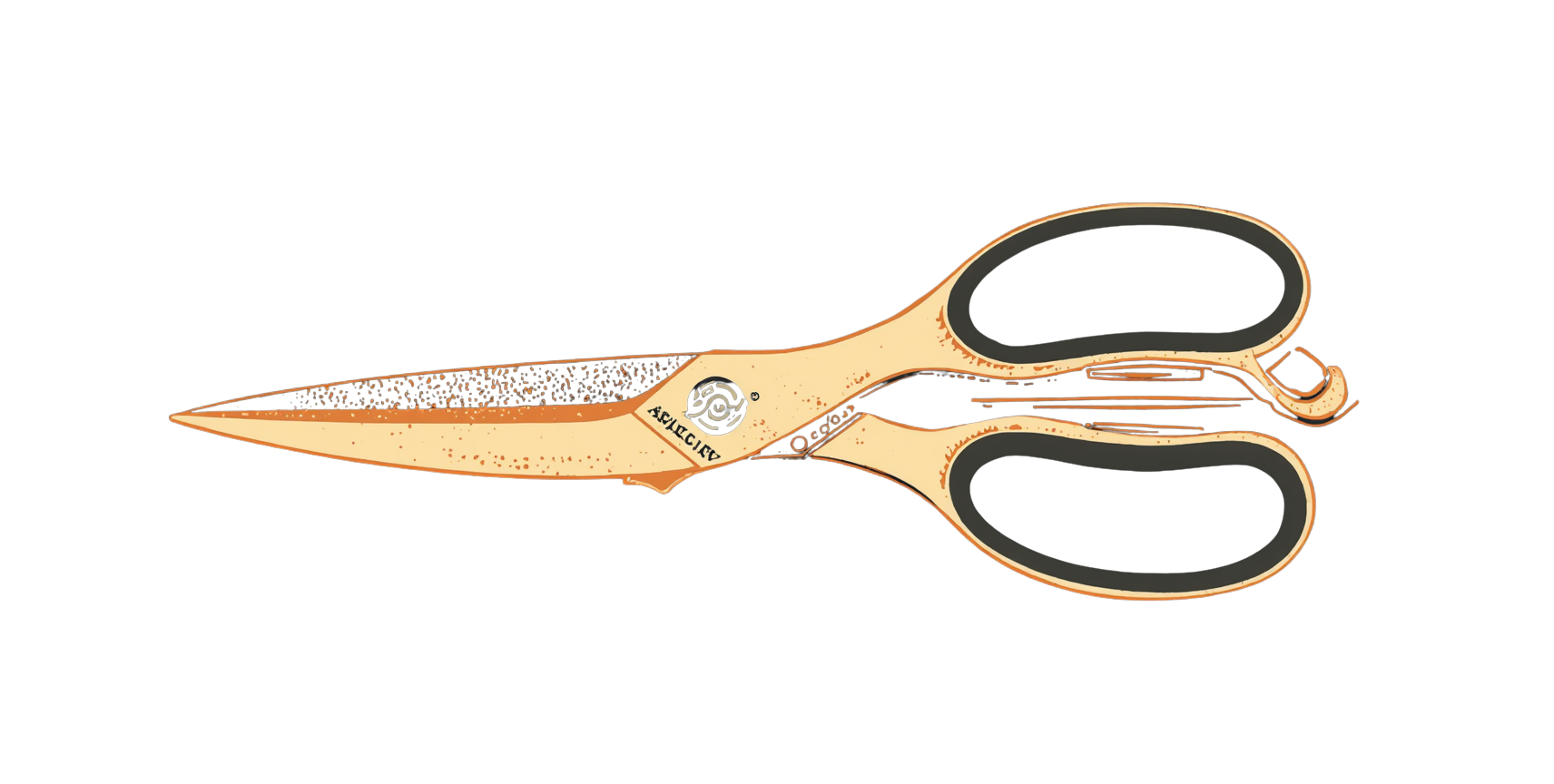
BBQ Shears
Read →Heavy-duty kitchen shears for cutting ribs apart after the cook, spatchcocking chicken, breaking down poultry, and sizing butcher paper. The grill cook's scissor — strong enough to cut through chicken bones, clean enough to come apart for the dishwasher.
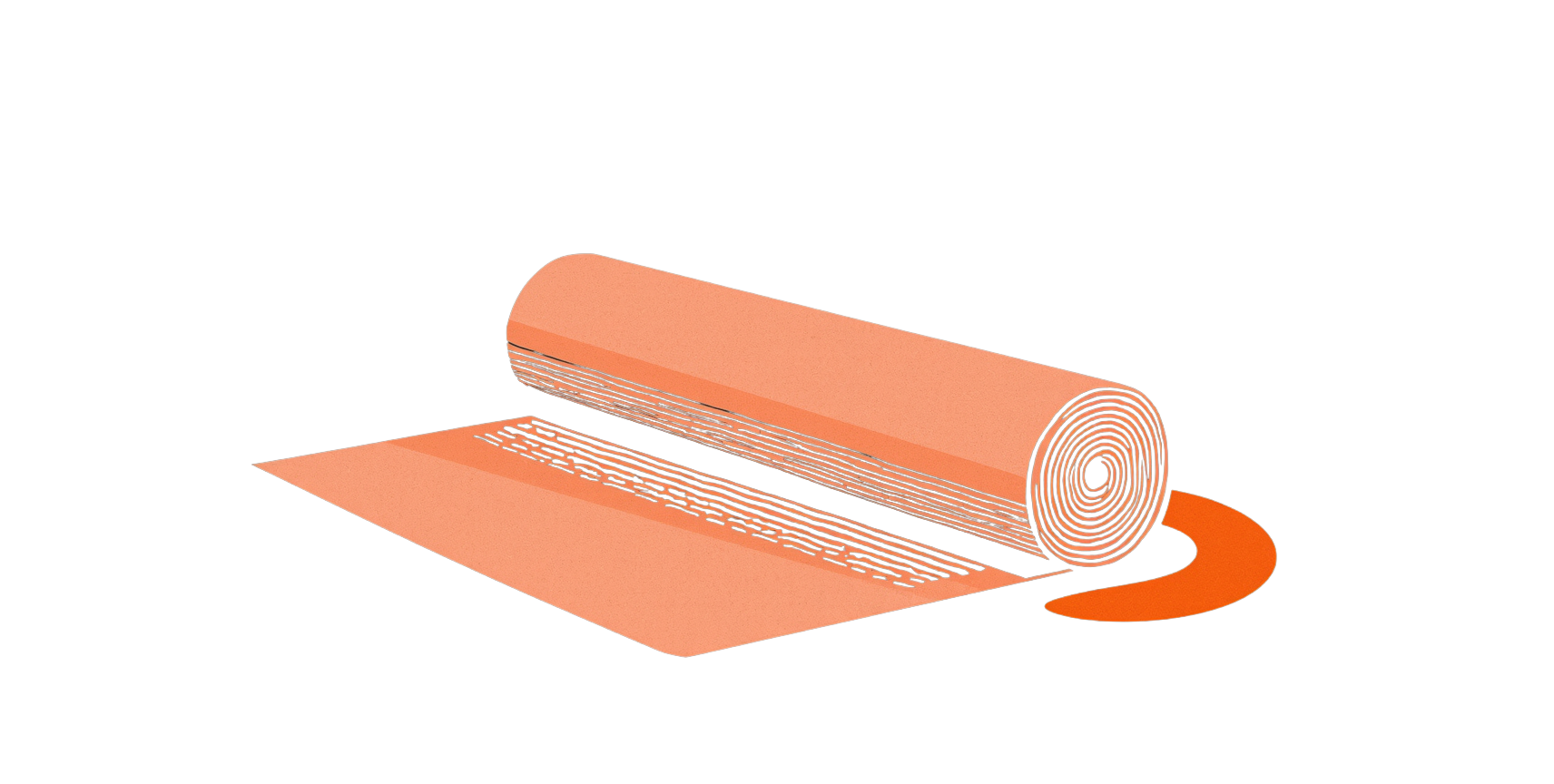
Butcher Paper
Read →Uncoated pink ("peach") food-grade butcher paper — the third way to wrap a brisket. Breathes where foil steams, preserves bark where foil softens it. The Texas-brisket standard since Aaron Franklin made it visible.
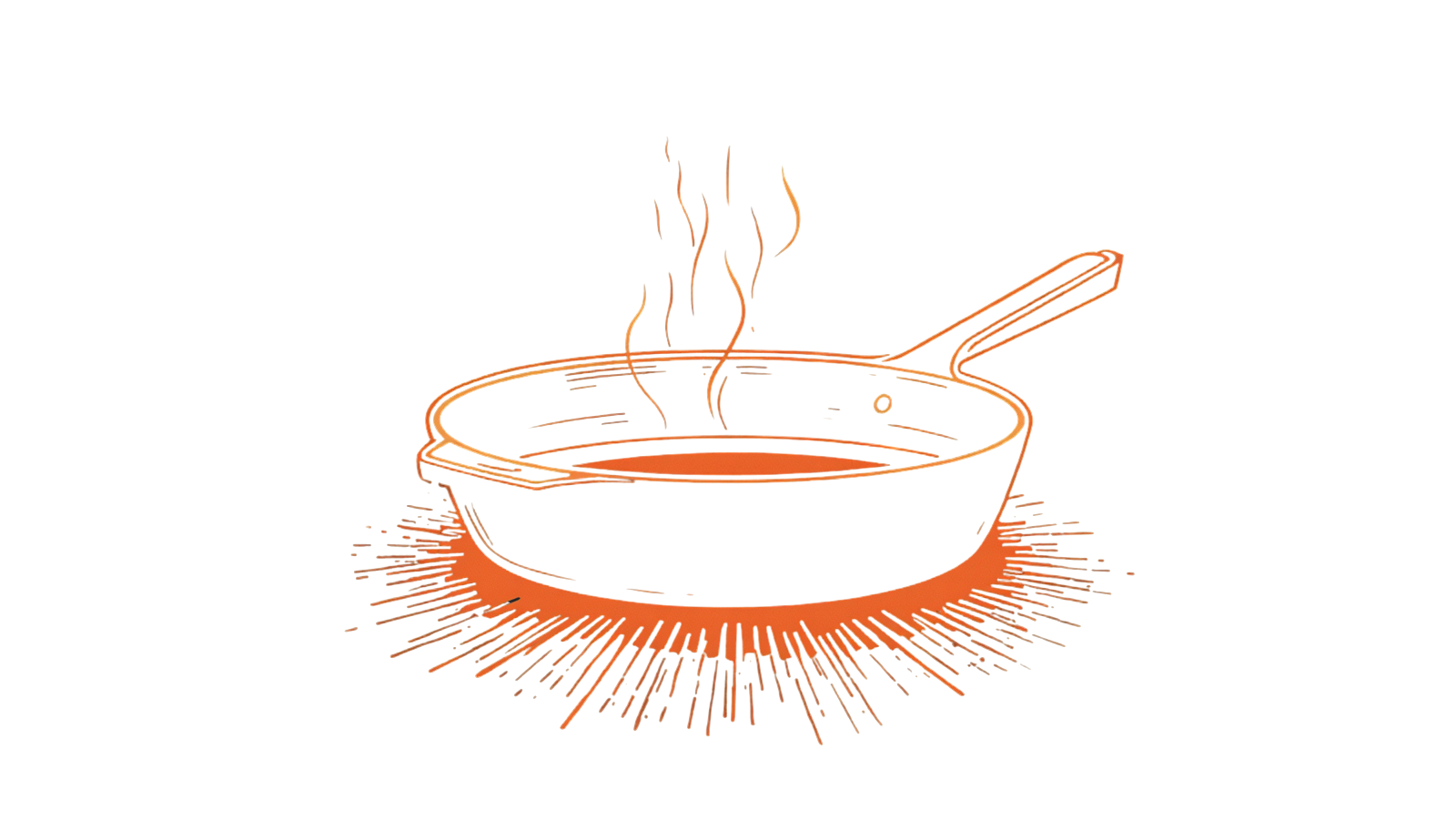
Cast Iron Skillet
Read →A heavy iron pan that lives on the grate as the backyard sear plate — the device that turns a kettle or kamado into a steakhouse for the final hard crust on a reverse sear.

Chimney Starter
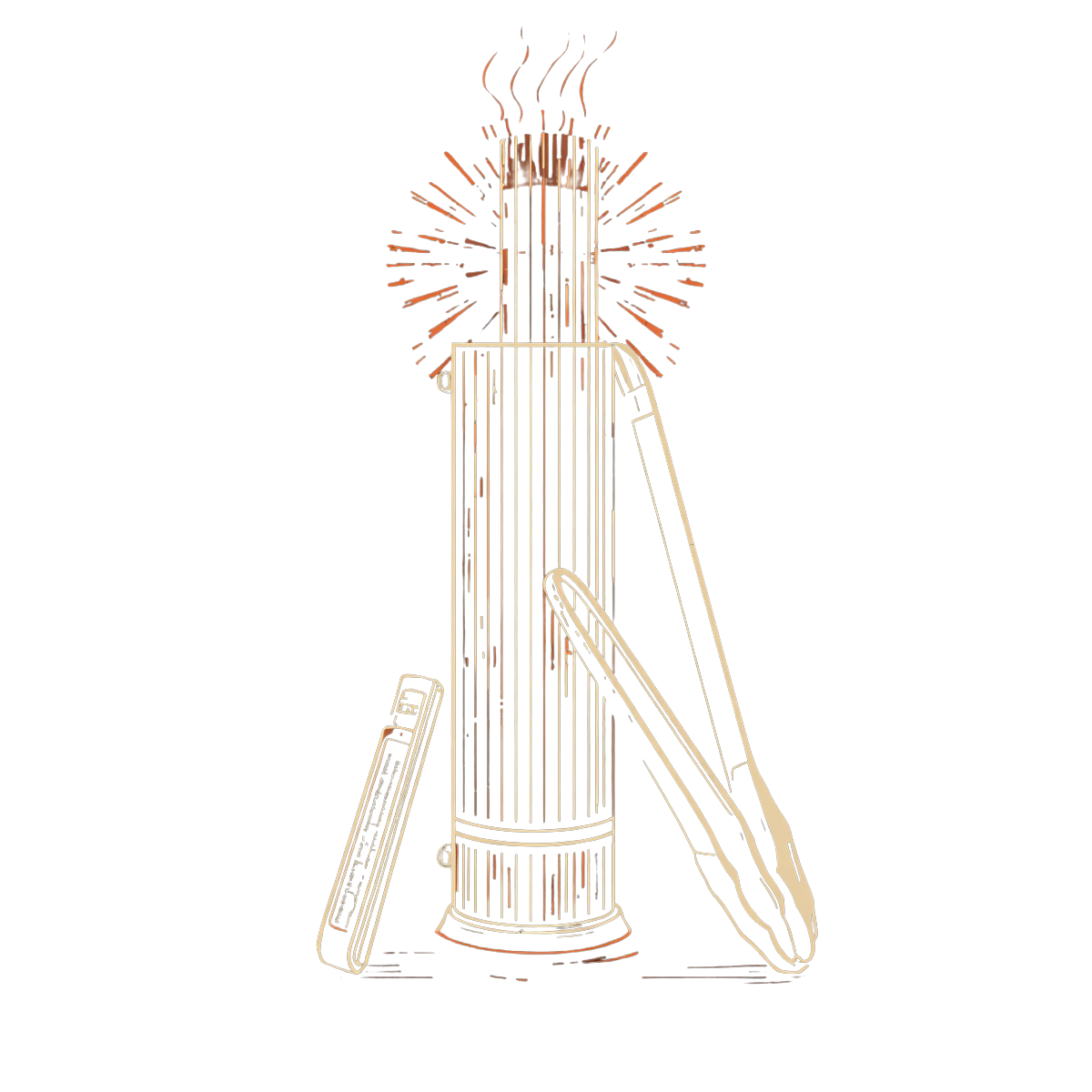
Read →The metal cylinder that lights charcoal cleanly with paper and a match — no lighter fluid, no chemical taste. 15–20 minutes from cold to ashed-over coals and the canonical first move on a charcoal cook.
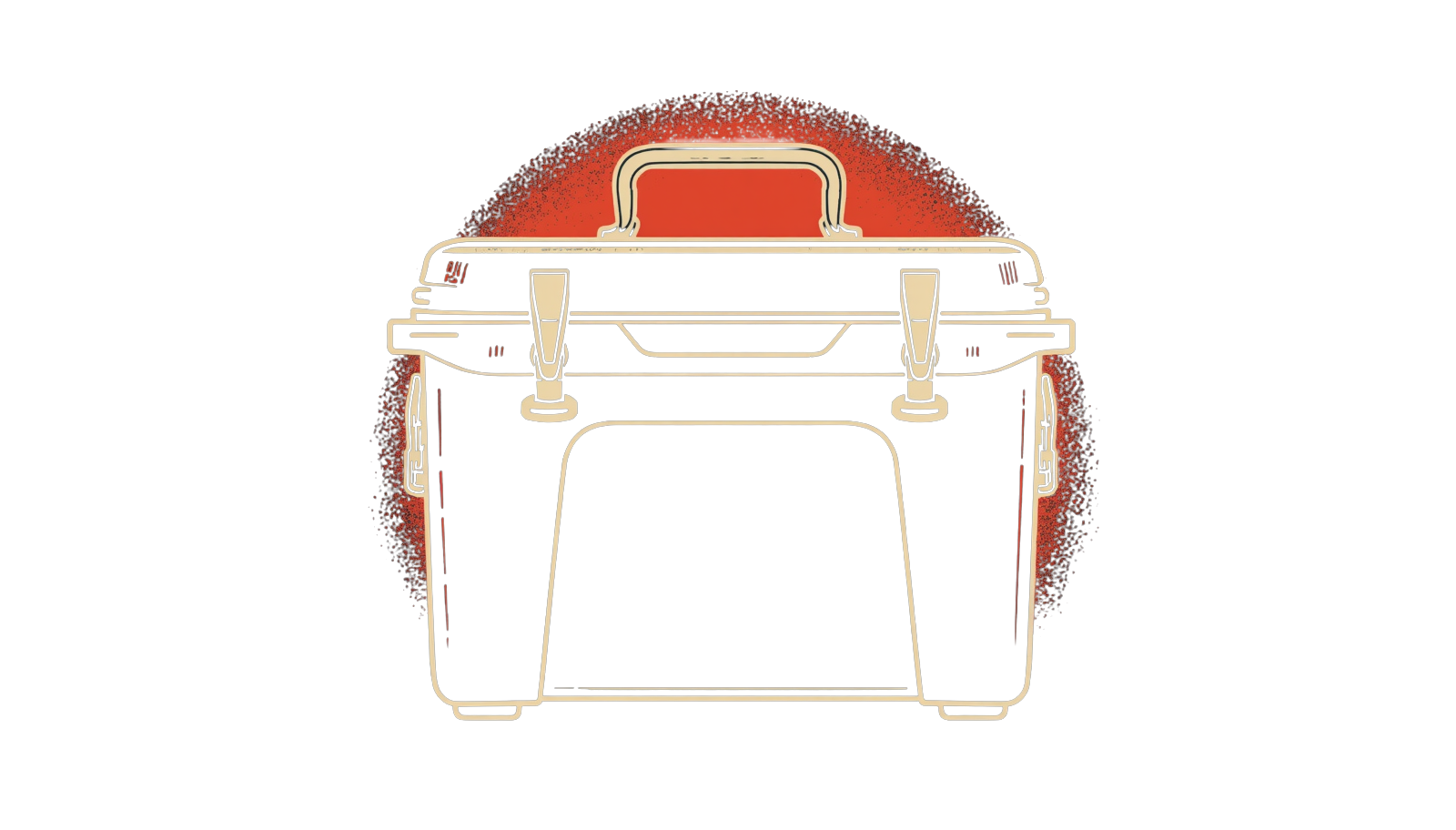
Cooler Rest (Faux Cambro)
Read →An insulated cooler pressed into service as a hot-holding box — the home cook's stand-in for a Cambro warmer. Wrap the brisket or pork shoulder in foil and towels, nest it in a preheated cooler, and the meat holds above 140°F for hours while collagen finishes converting and juices redistribute.
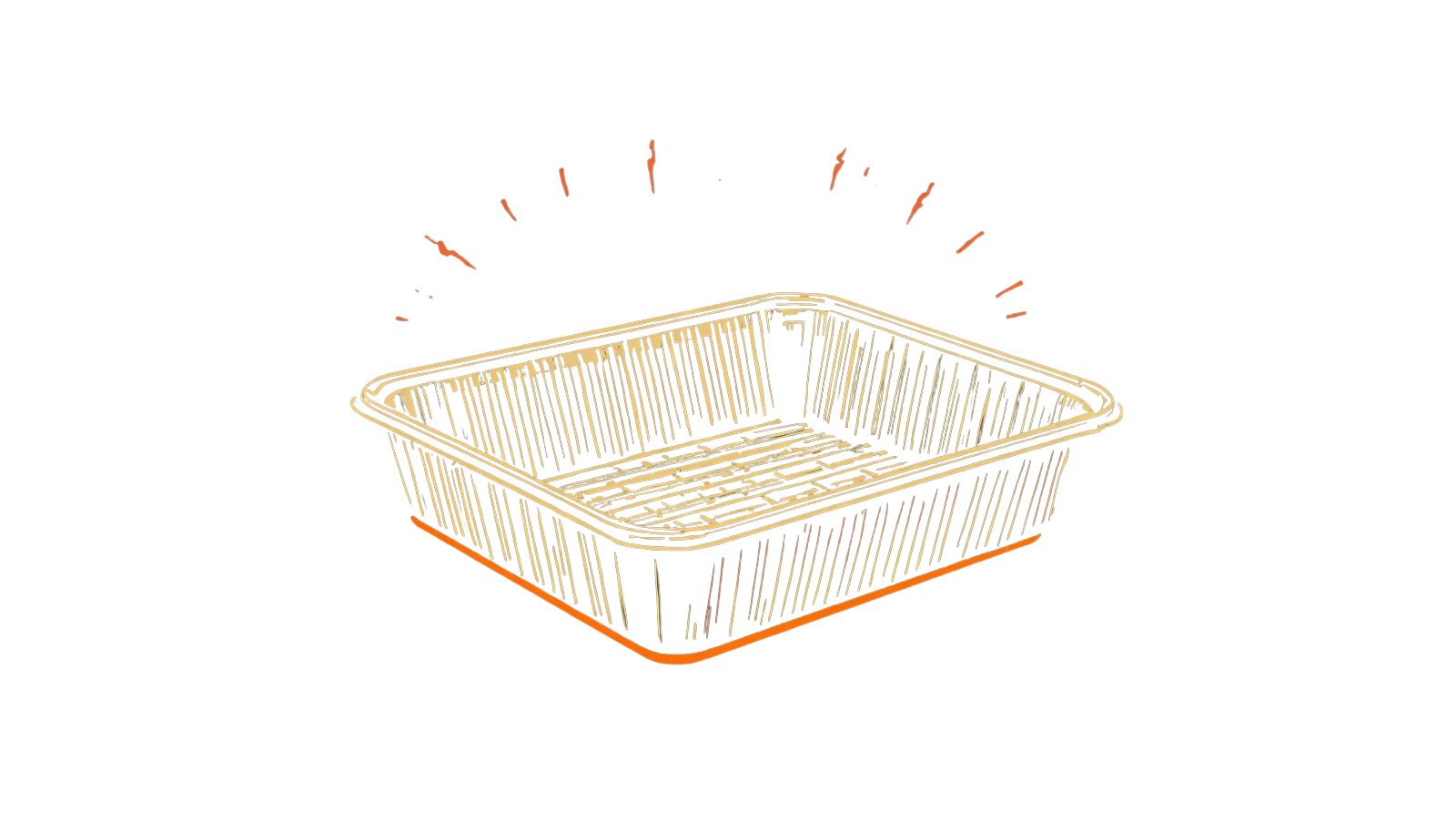
Drip Pan
Read →Disposable aluminum or reusable steel pan that sits below indirect-cooked meat to catch grease, kill flare-ups, and capture drippings for gravy. Often doubles as a water pan.
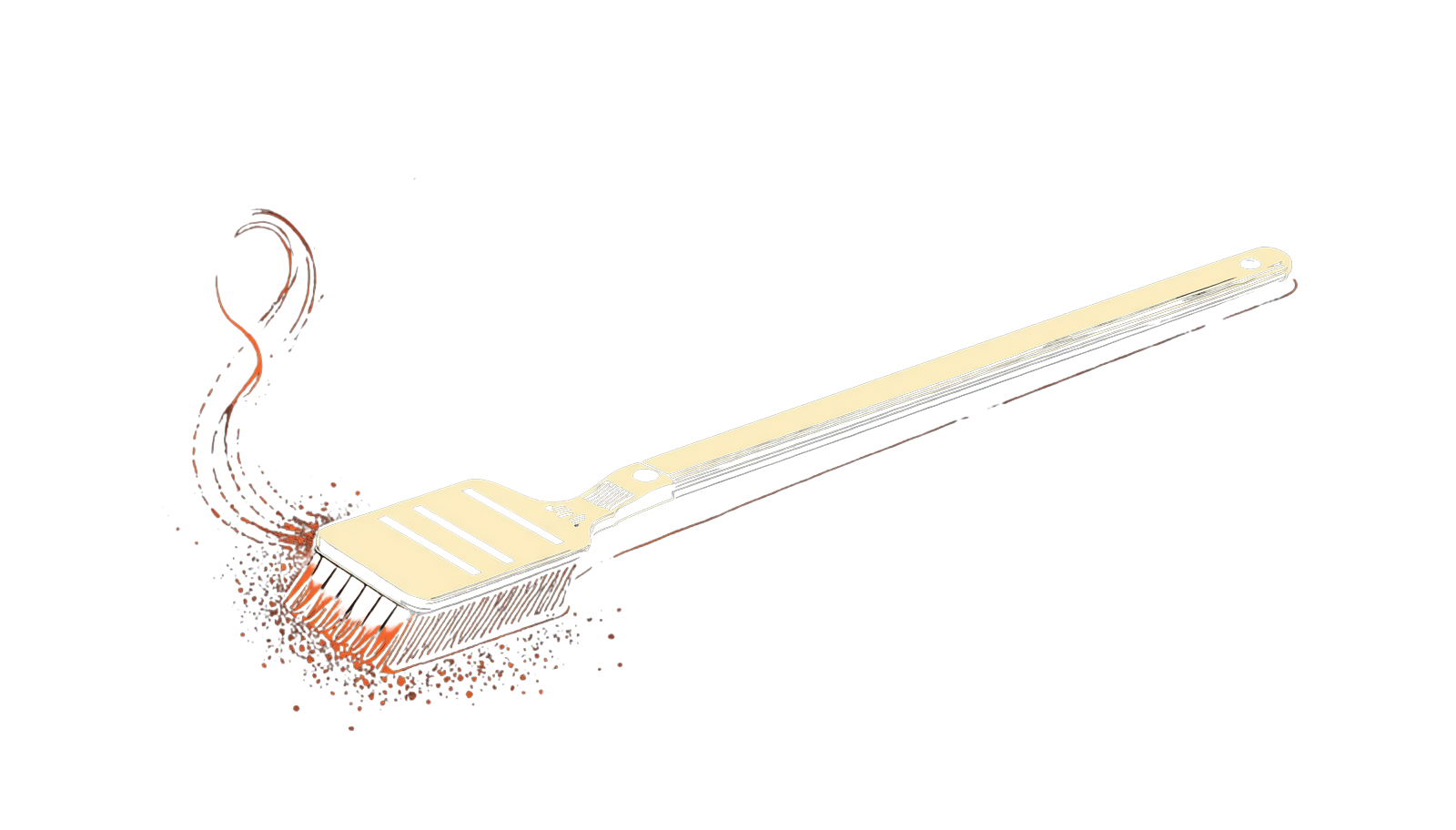
Grill Brush
Read →The between-cooks cleaning tool for grill grates. Wire-bristle brushes are cheap and effective but shed bristles that can embed in food (documented ER cases); bristle-free designs — wooden scrapers, aramid-fiber steam brushes, crumpled foil — are the safer modern pick.
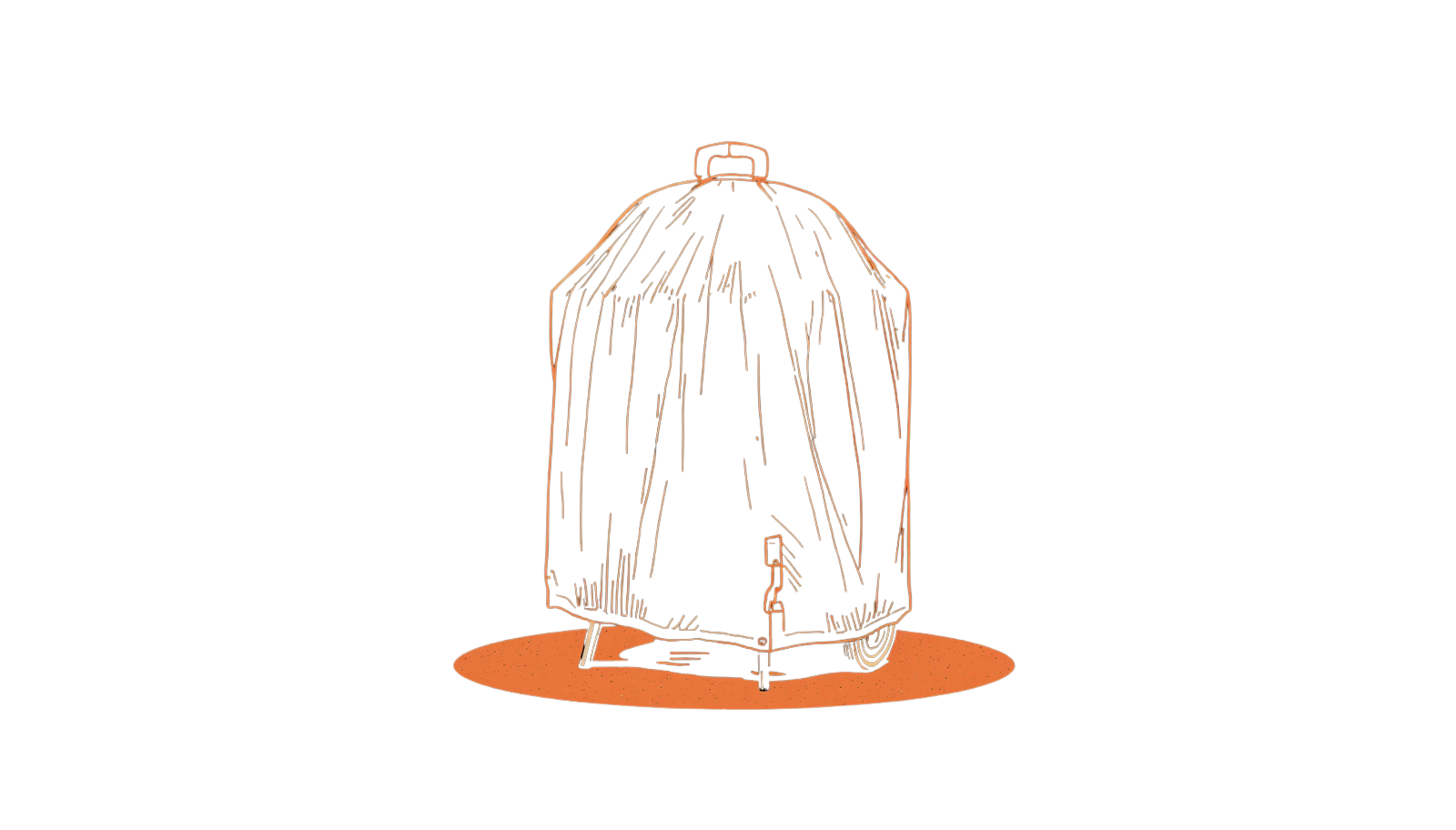
Grill Cover
Read →An outdoor fabric shell that drops over a grill between cooks to shield it from sun, rain, snow, and pollen. Polyester at the cheap end, vinyl-coated polyester in the middle, heavy-duty 600D canvas with PVC or polyurethane backing at the top — and a quiet caveat that a cover trapping moisture can actually rust a grill faster than no cover at all.
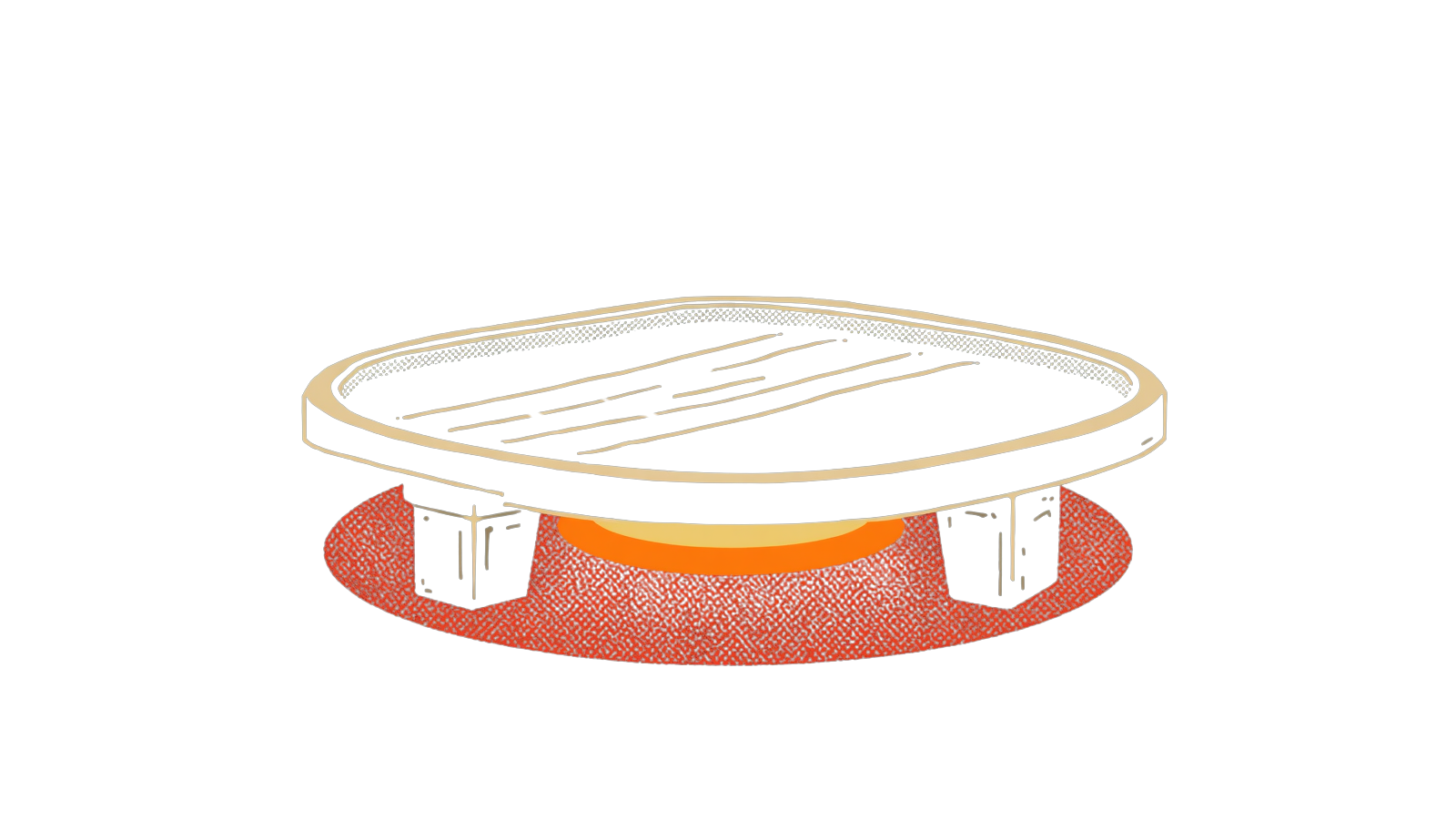
Heat Deflector
Read →The ceramic disc that sits between the coals and the food on a kamado, blocking direct radiant heat and converting the cooker to indirect. "Plate setter" on older Big Green Egg, "convEGGtor" on newer BGE, "deflector" on Kamado Joe — same job, different brand vocabulary.
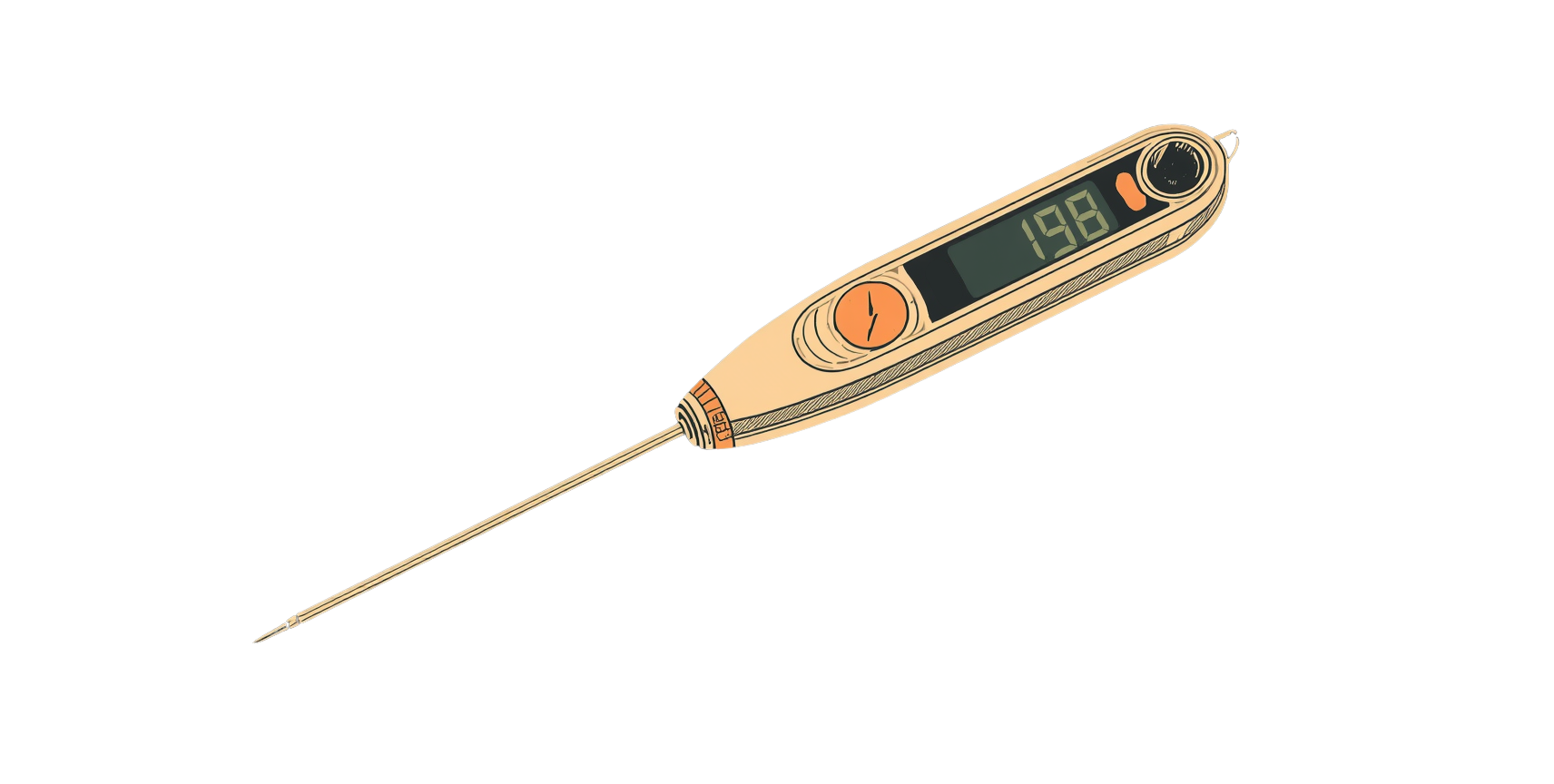
Instant-Read Thermometer
Read →The handheld, fast-reading temperature probe — Thermapen ONE canonical — used to spot-check doneness anywhere on the grill. The single most-cited tool in serious BBQ writing.
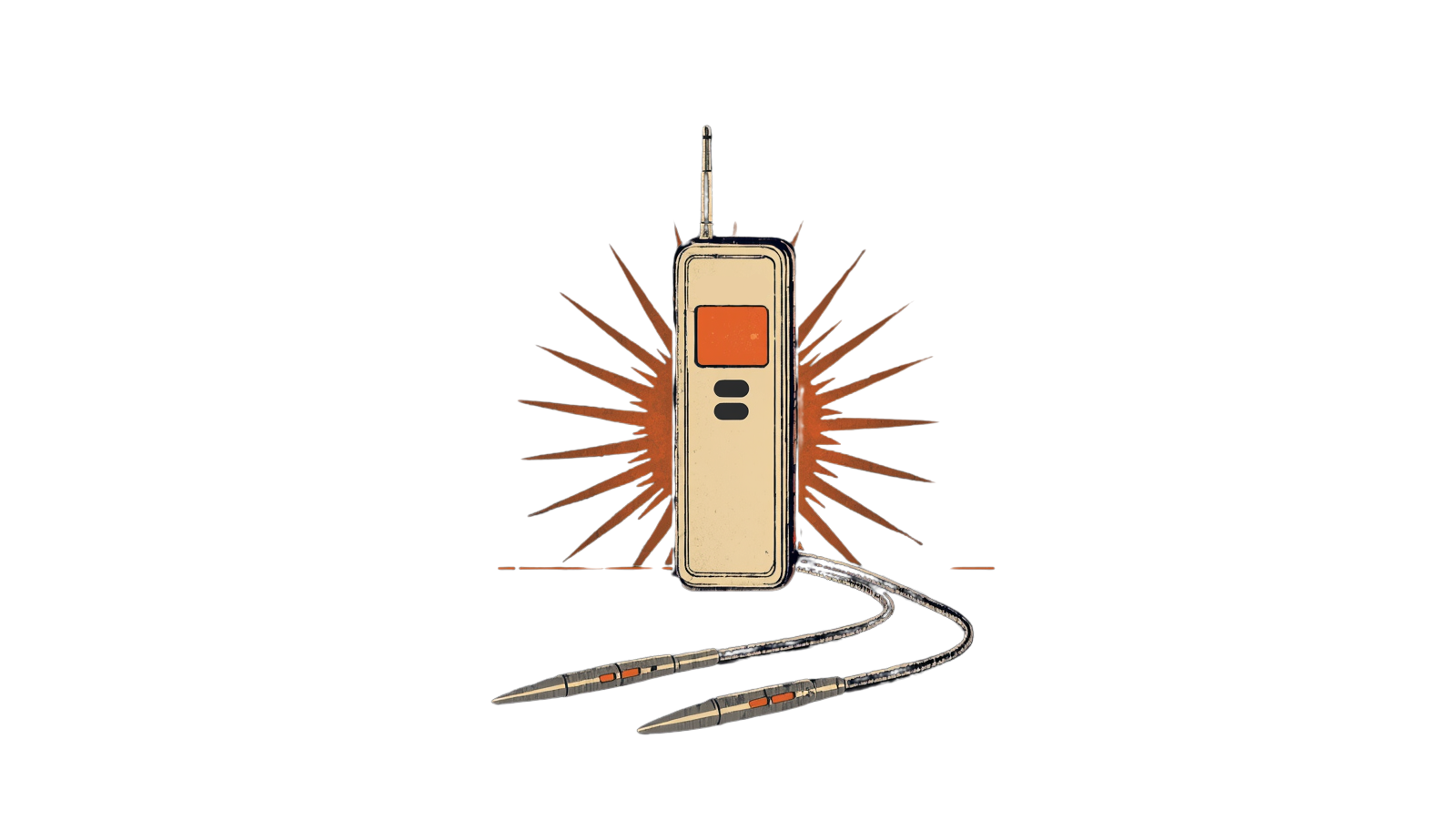
Leave-In Probe Thermometer
Read →A thermometer with a thin wired probe that stays inside the meat for the entire cook, with a base unit or wireless receiver displaying the temperature in real time. Dual-probe versions track meat and pit ambient at once — the canonical tool for long, lid-closed smokes.
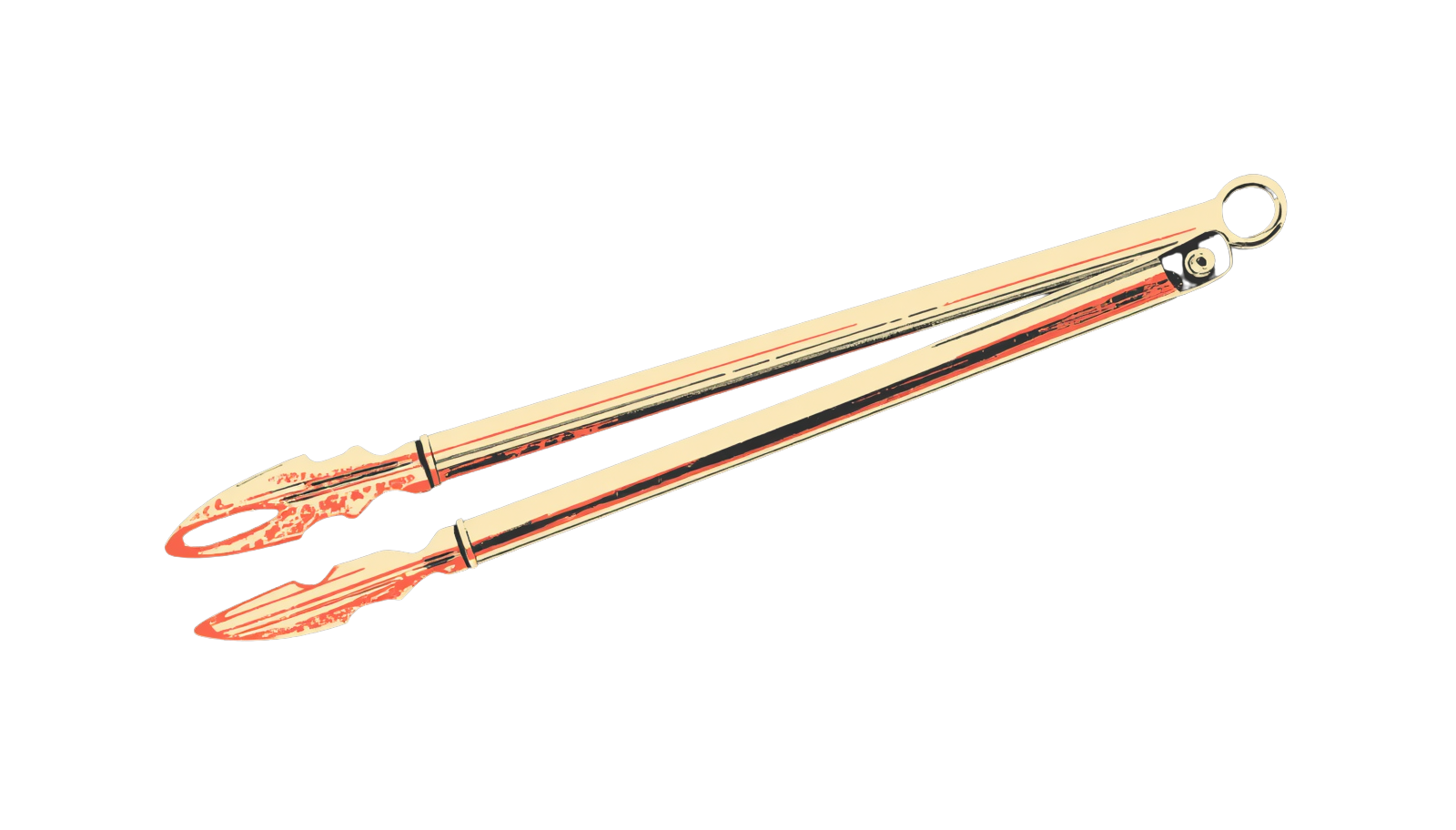
Long Tongs
Read →The workhorse of grilling. A long, spring-loaded steel pincer that turns and lifts food without piercing it — the single tool a charcoal cook reaches for more than any other.
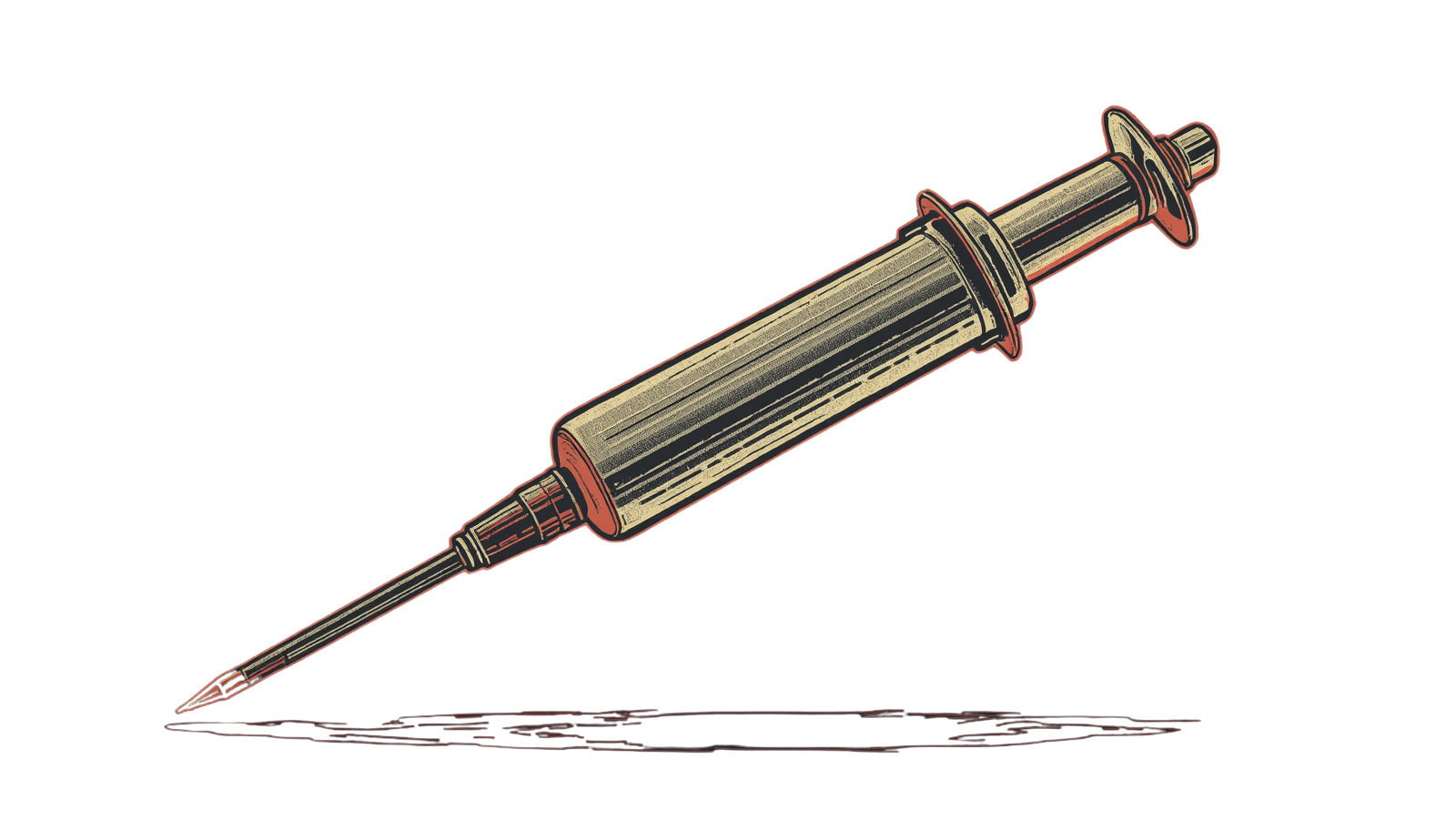
Meat Injector
Read →Stainless steel syringe-style tool for shooting brine, marinade, or flavor solutions deep into large cuts. The competition-canonical way to season a pork butt or brisket flat from the inside out.

Multi-Probe Thermometer
Read →The four-to-six-probe wireless thermometer system — FireBoard, ThermoWorks Signals, Flame Boss — that tracks pit and meat temps simultaneously and, with an optional fan, automates the cooker. The instrument behind competition brisket and unattended overnight smokes.
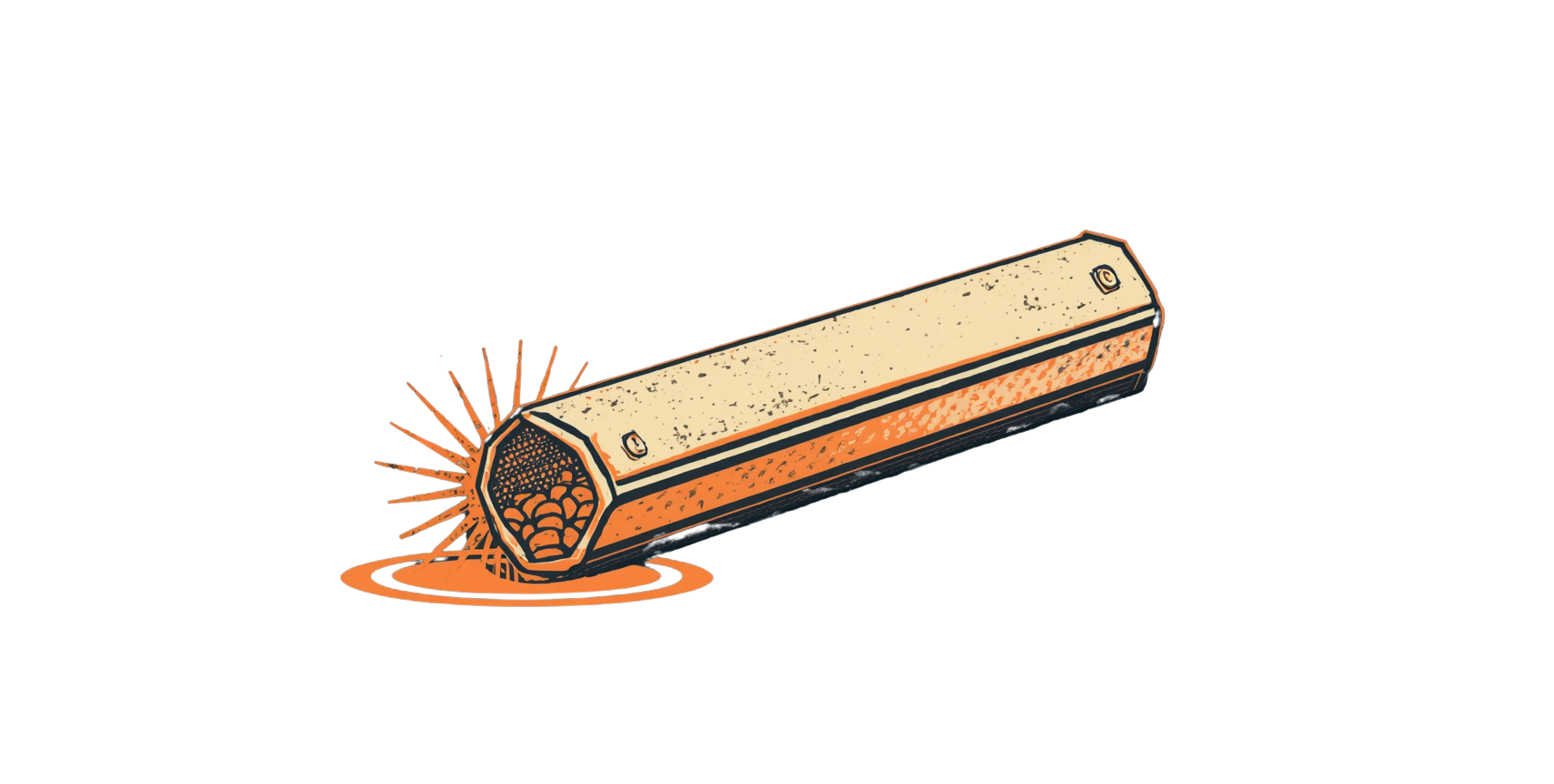
Pellet Tube
Read →A perforated stainless steel tube packed with wood pellets that smolders for 4-8 hours of cool smoke. The cheapest way to add real wood smoke to a gas grill, cold-smoke cheese, or boost a pellet smoker that runs too clean at low temps.
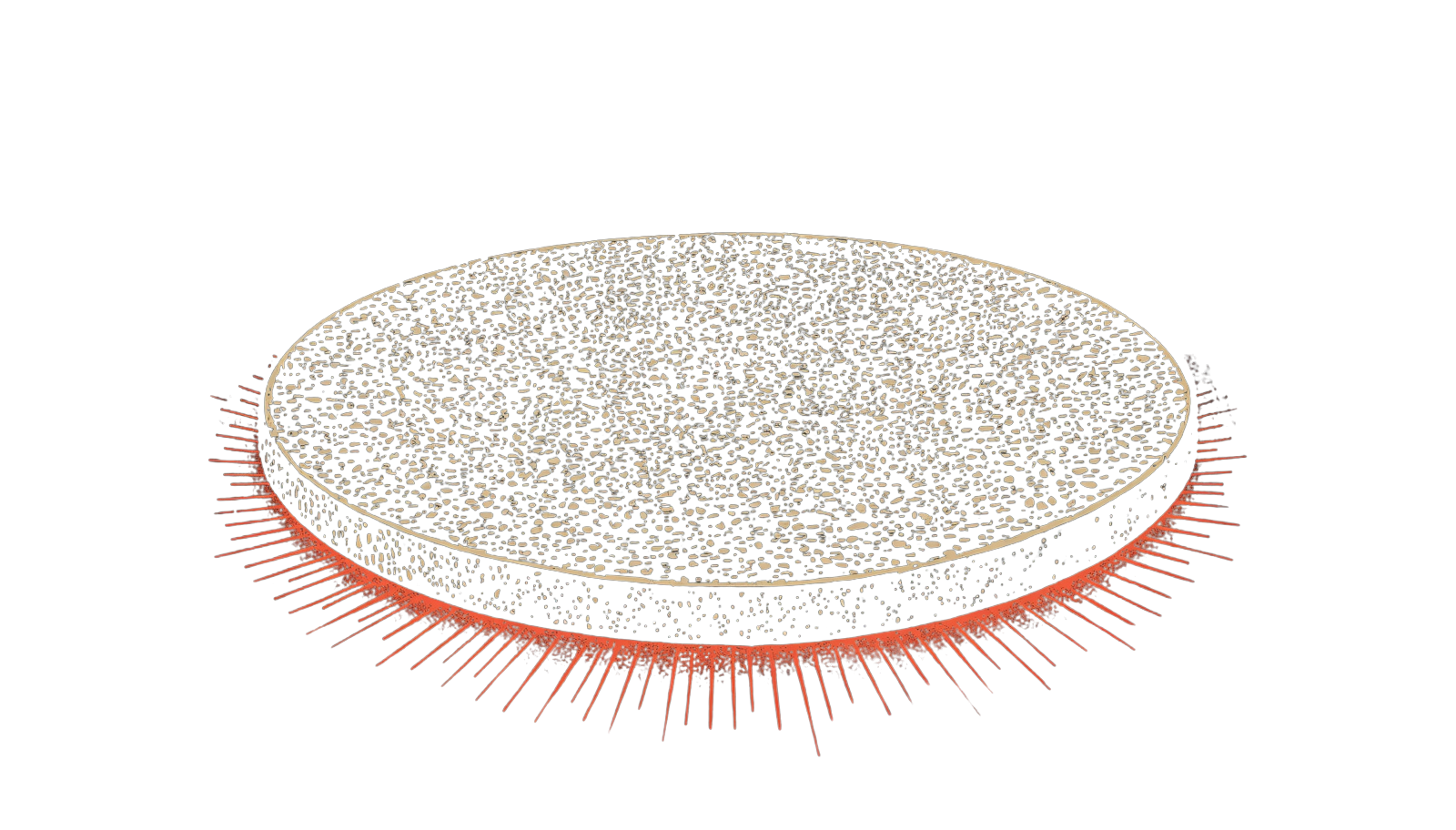
Pizza Stone
Read →A slab of ceramic or cordierite that absorbs heat as the cooker preheats and then radiates it back into the bottom of a pizza crust. Turns a kettle or kamado into a 700-900°F pizza oven.
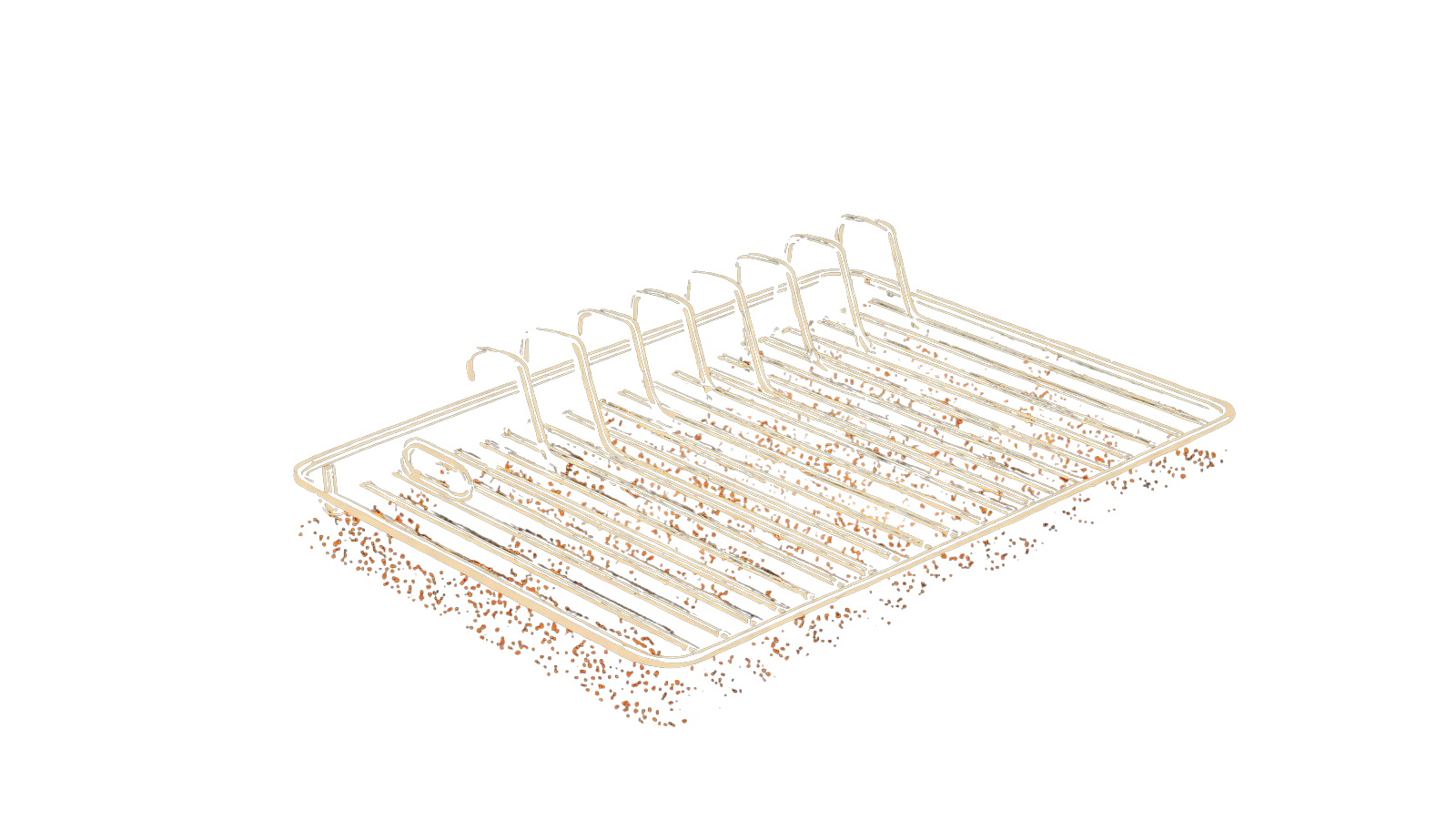
Rib Rack
Read →A simple stainless or chrome-plated wire frame with vertical slots that holds 4–6 racks of ribs upright instead of flat. A cheap capacity multiplier for small charcoal cookers — a 22-inch kettle that fits two racks flat fits five on edge.
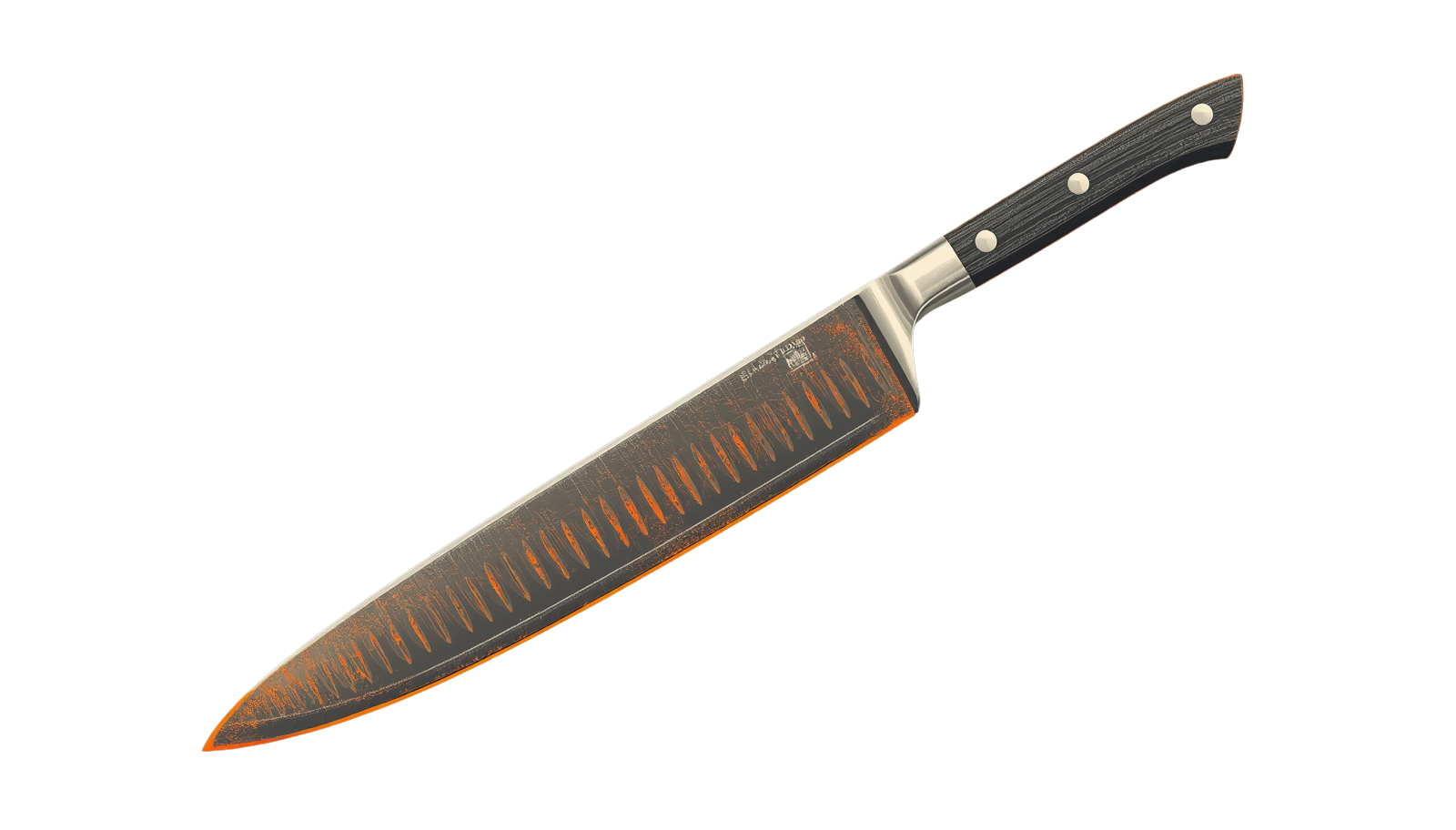
Slicing Knife
Read →The long, thin, flexible-bladed knife built for slicing brisket against the grain in clean, even pieces. 10–14" granton-edged blades let you finish a flat in a single pass — the iconic last move of a Texas brisket cook.
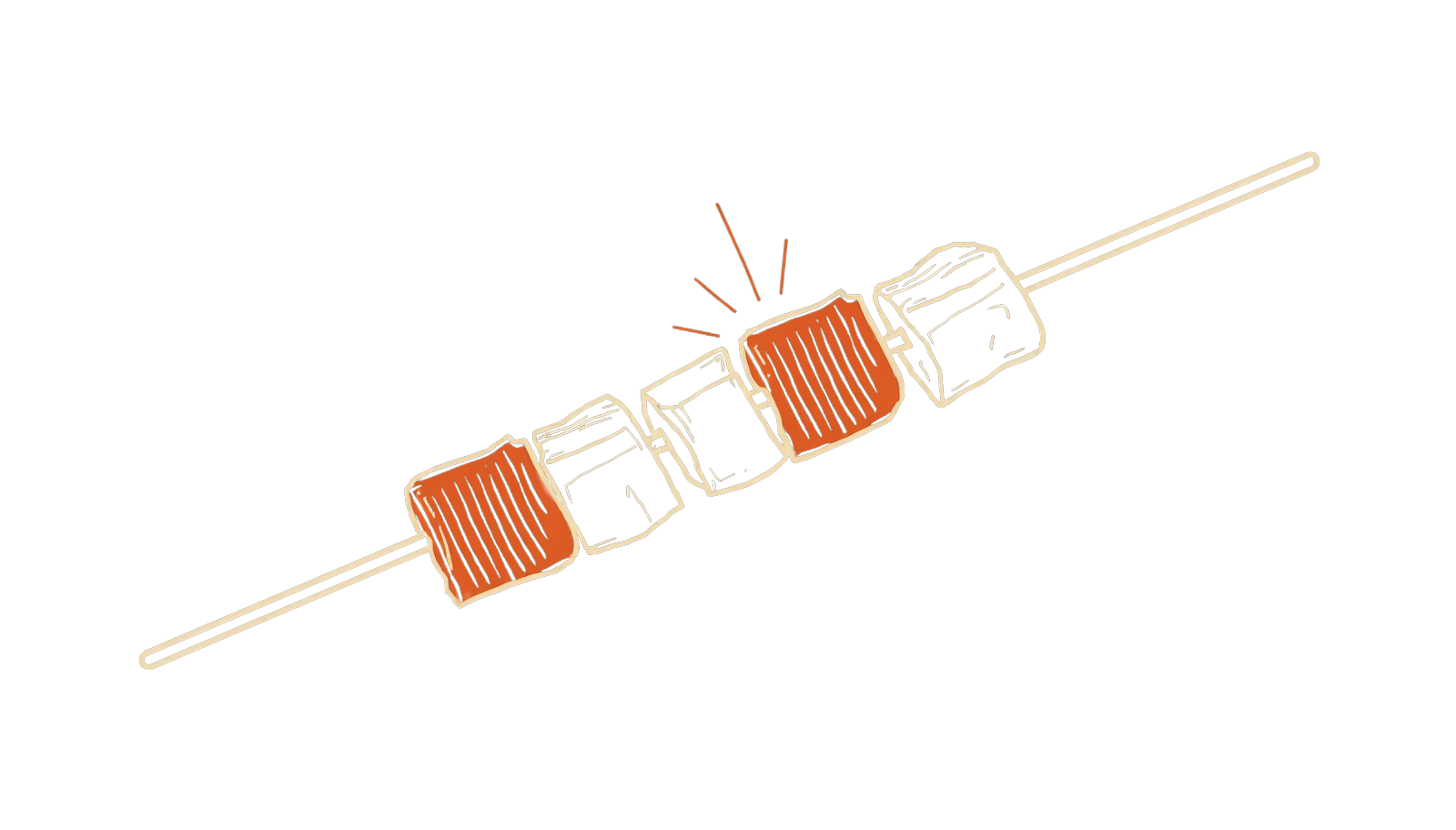
Skewers
Read →The thin metal or bamboo rods that thread chunks of meat and vegetables over the fire — the foundational tool for kebabs, yakitori, satay, and anything cooked in bite-size pieces. Flat metal is the canonical pick; round bamboo is the cheap, single-use disposable.
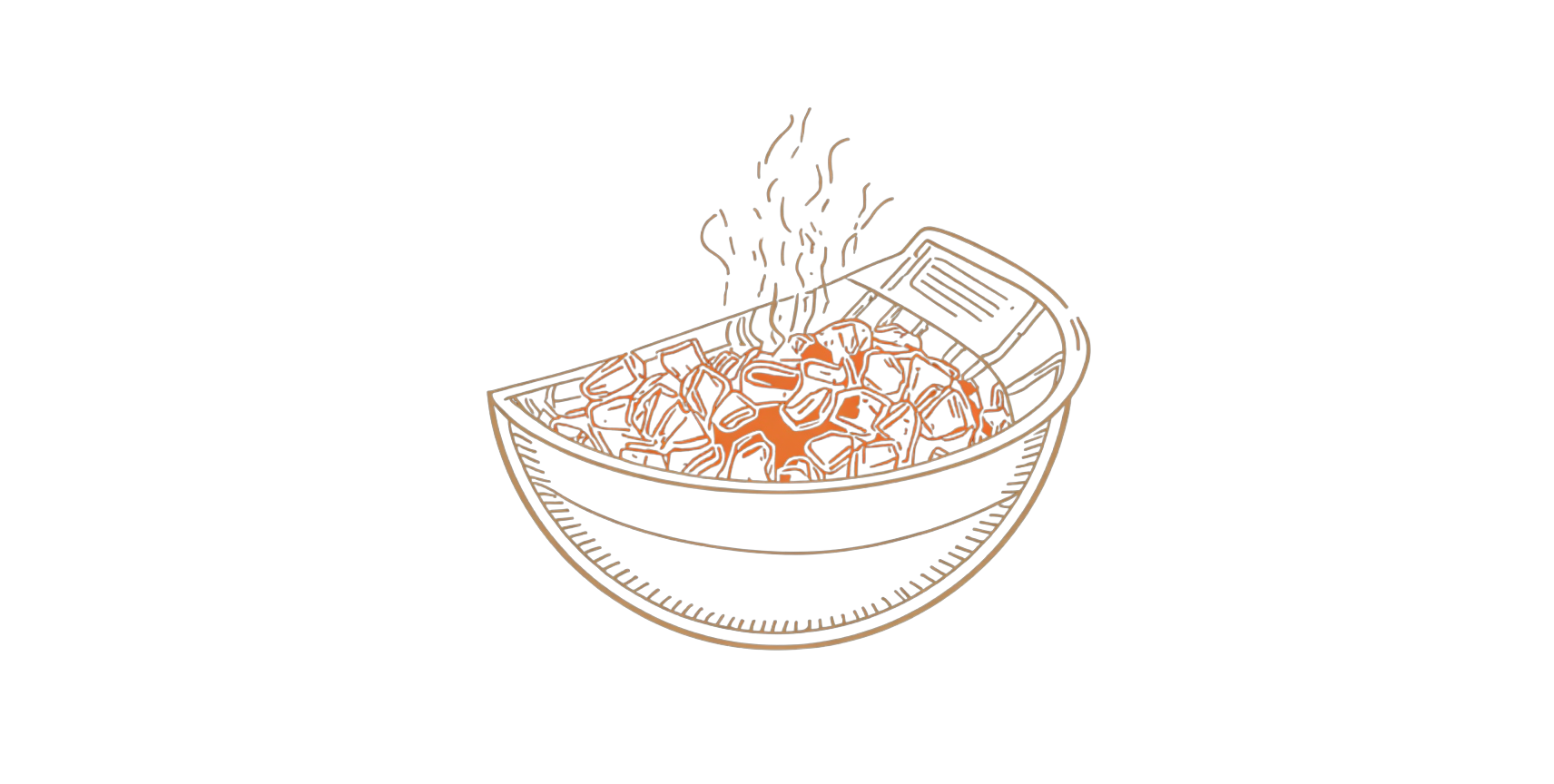
Slow 'N Sear
Read →The half-moon stainless charcoal basket by SnS Grills that drops into a Weber kettle and turns it into a serious two-zone cooker. Holds 225°F for 8+ hours on one chimney of charcoal while still building the hottest direct-sear zone the kettle can run.
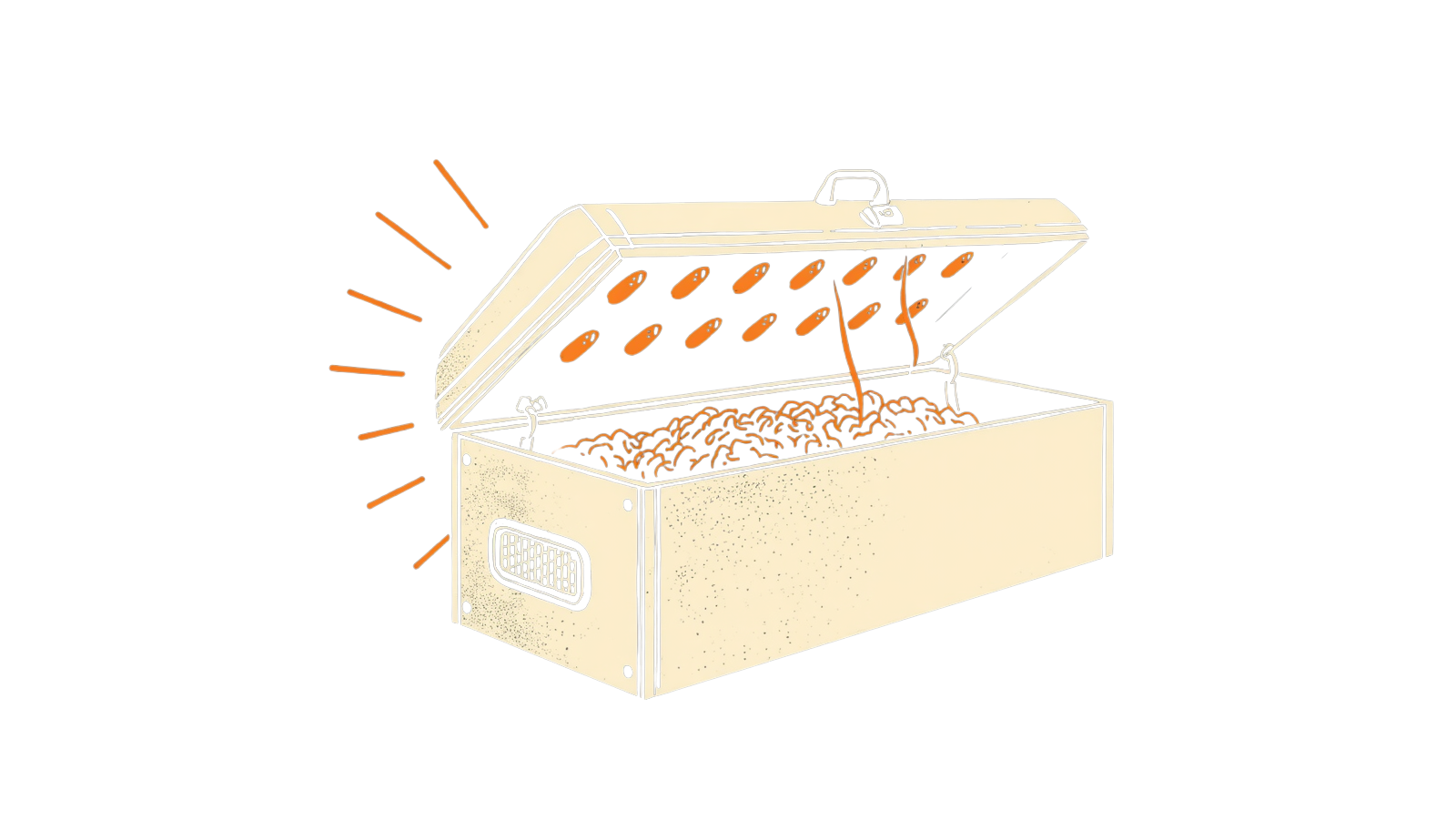
Smoker Box
Read →The cast-iron or stainless-steel box of vented wood chips that sits over a gas burner and smolders smoke into a gas grill. The compromise that gets you some real smoke flavor on a propane rig, with honest limits on how long it runs.
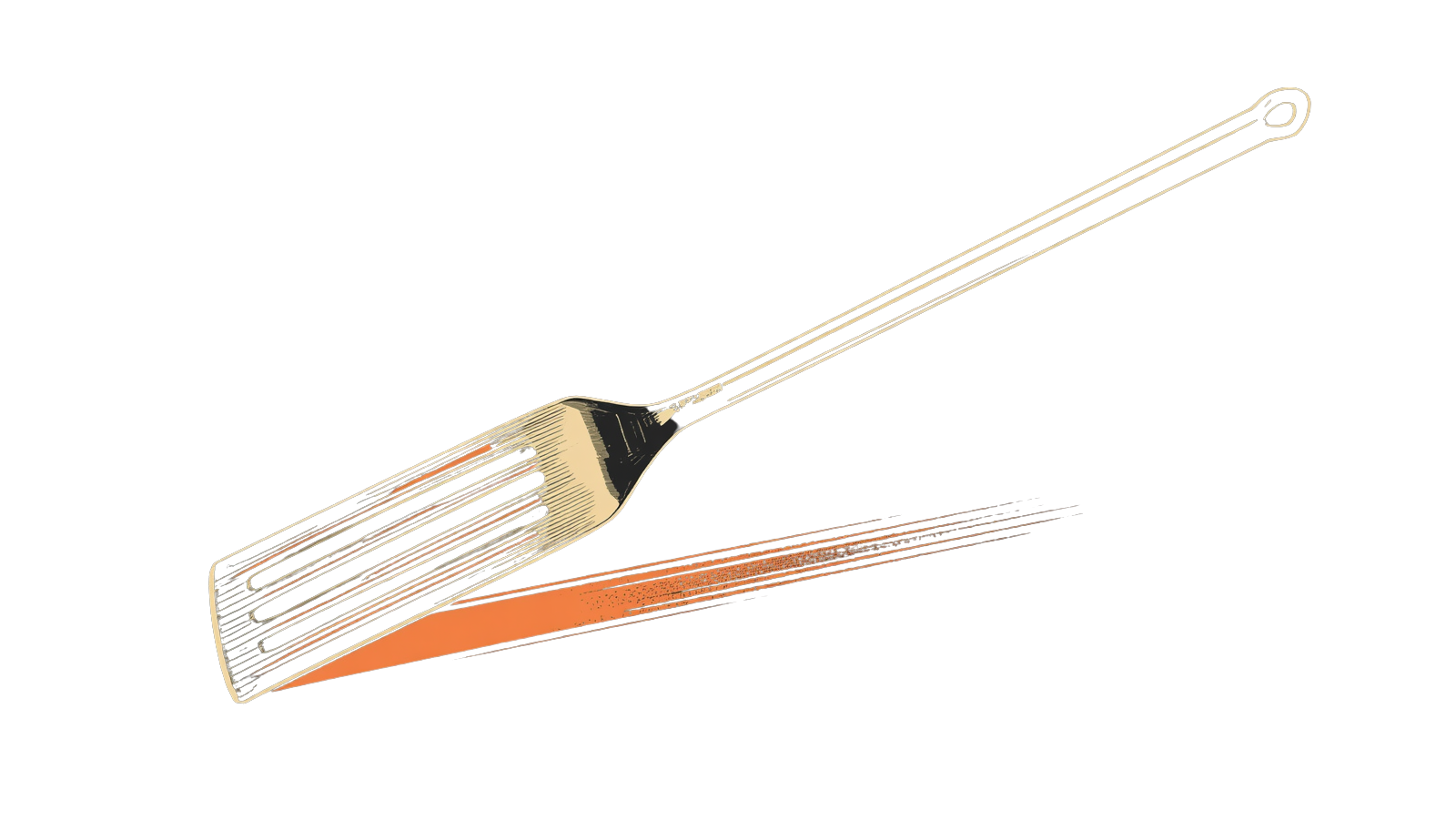
Spatula
Read →The flat-bladed turner that flips what tongs can't grip — burgers, fish, smashburgers. Wide, stiff, and long-handled for the grill; thin and slotted for fish; flat-edged for the griddle. The second tool every cook reaches for after tongs.
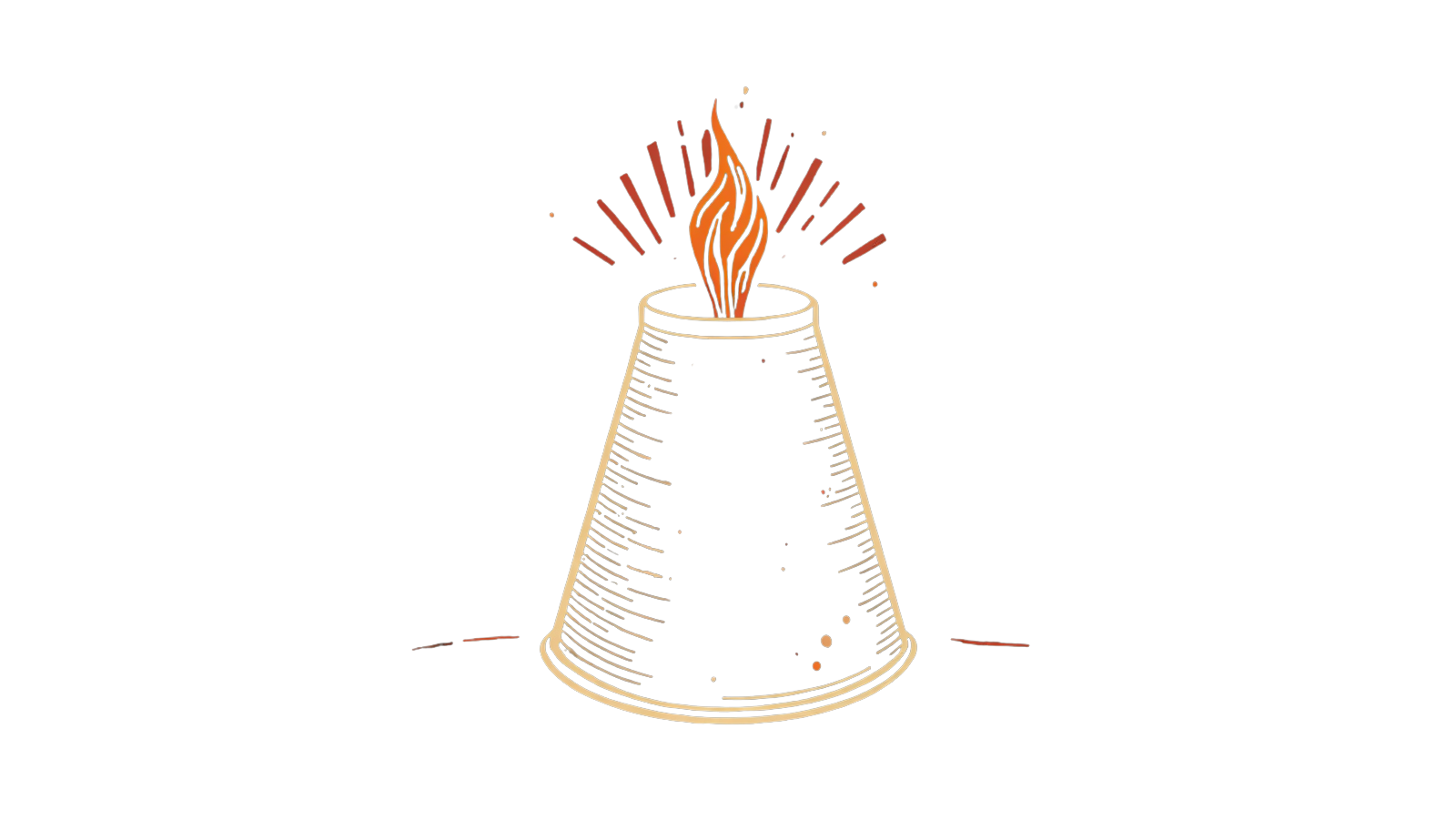
Vortex Insert
Read →A truncated stainless cone that drops onto a kettle's charcoal grate to concentrate the fire in the middle. Built a reputation on crispy chicken wings — the Vortex method ringing the outer grate while the coals scream in the center.
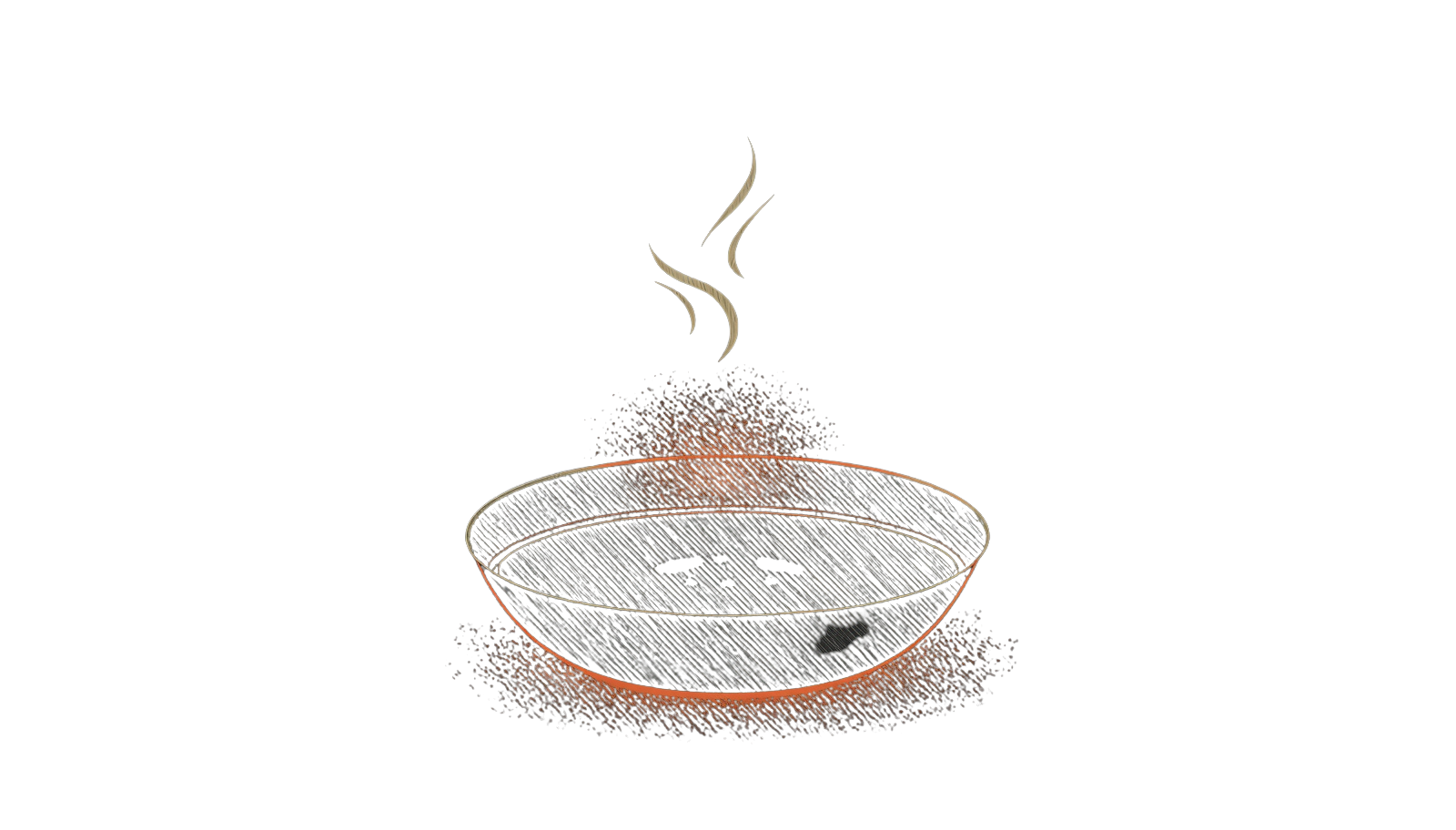
Water Pan
Read →The pan of water set between the coals and the food on a smoker — a thermal buffer that stabilizes pit temperature, a humidity source that helps smoke adhere, and the design feature that defines the Weber Smokey Mountain and the whole vertical-water-smoker category.