
Wood & Fuel.
The five fuels that move heat into your meat — charcoal, gas, pellet, wood, electric — and the wood species that flavor it. What each does, when it pays off, and where it falls short.
Fuel Types
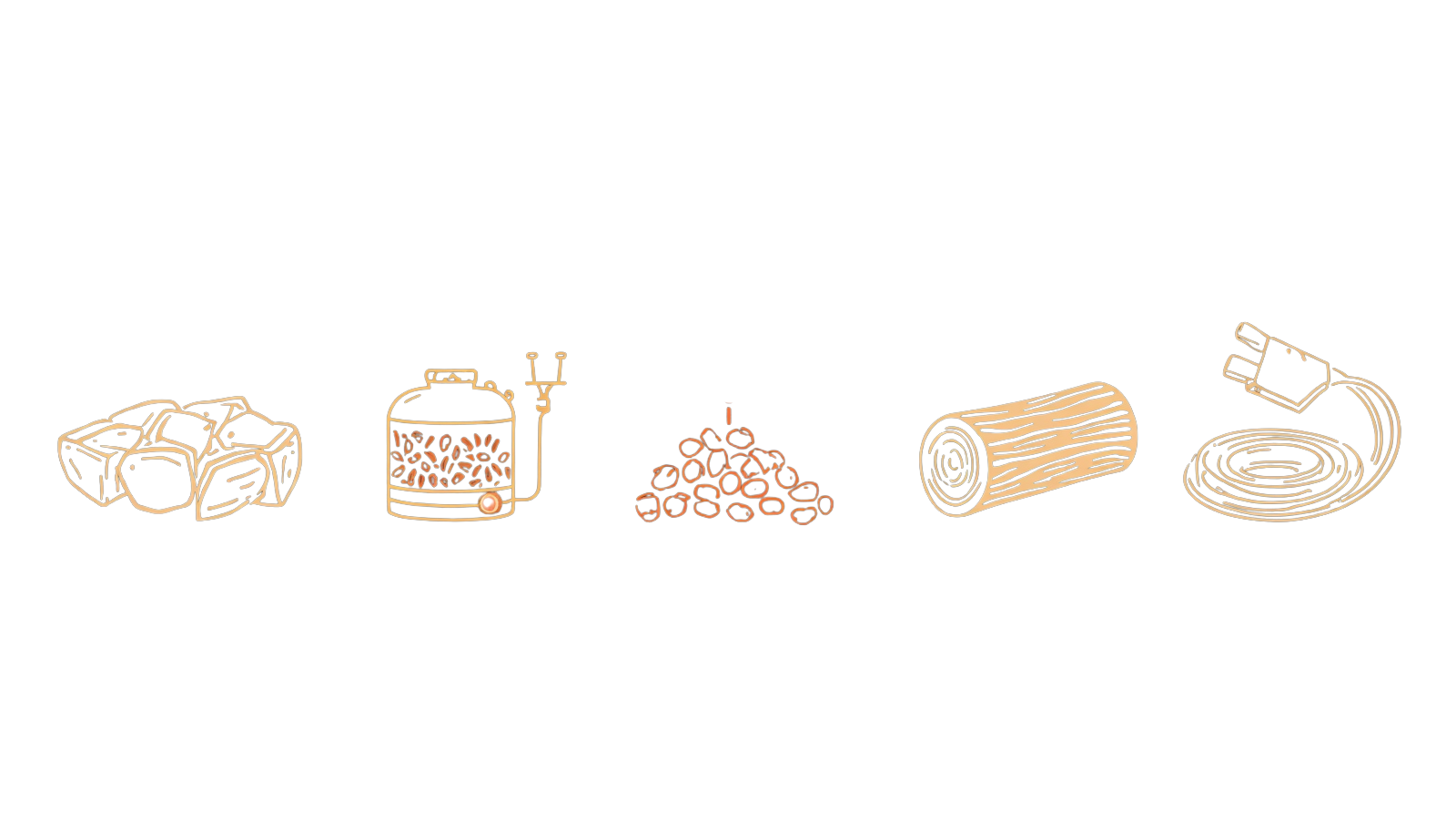
The five fuels that move heat into your meat — charcoal, gas, pellet, wood, and electric — each with a different flavor profile, learning curve, and cost over time.
Read the guide →
Alder
Read →The Pacific Northwest salmon wood. Mild, slightly sweet smoke developed by Indigenous coastal cooks for cedar-plank salmon — the canonical pair when you want flavor without overpowering delicate fish.
Apple
Read →The mild, sweet fruitwood — pork’s default partner, friendly to poultry and ribs, the classic softening blend with hickory.
Charcoal
Read →Carbonized wood — the default backyard BBQ fuel for most of American grilling history. Lump or briquettes; sears at 700-1000°F and smokes at 225°F on the same device.
Cherry
Read →The color play of the wood world. A mild, slightly fruity smoke that paints a mahogany finish on bark — used solo on poultry and pork, blended with oak or hickory on beef for the visual punch.
Electric
Read →A sealed chamber heated by a thermostatically-controlled resistance element, with wood chips smoldering above for smoke. The apartment-friendly fuel — precise, plug-and-play, but the weakest smoke flavor of mainstream BBQ fuels.

Gas
Read →Propane or natural gas burned through BTU-rated burner tubes — the convenience fuel that 60%+ of American backyard cooks use and roughly 90% of premium steakhouses grill on.
Hickory
Read →The American smoking wood. Strong, savory, bacon-like smoke — the canonical pair for pulled pork, ribs, and the entire Appalachian / Mid-South BBQ tradition.
Maple
Read →The northern bacon wood. Mild, sweet, sugar-contributing smoke — the canonical pair for homemade bacon, smoked poultry, and any cook that wants character without weight.
Mesquite
Read →The Texas Tex-Mex and South Texas signature wood — sharp, peppery, intensely flavored, fast-burning. Iconic for short high-heat fajita and skirt-steak grilling; rewards expert fire management on anything longer.
Oak
Read →The baseline reference wood for American BBQ. A continental-range hardwood genus (Quercus) with clean medium smoke — stronger than fruit woods, gentler than hickory or mesquite, and the dominant championship-survey pick alongside hickory.
Pecan
Read →Hickory's gentler genus cousin — a mild-medium nut wood with sweet, nutty smoke. The Louisiana and Mid-South tradition, popular with backyard cooks and competition blenders.
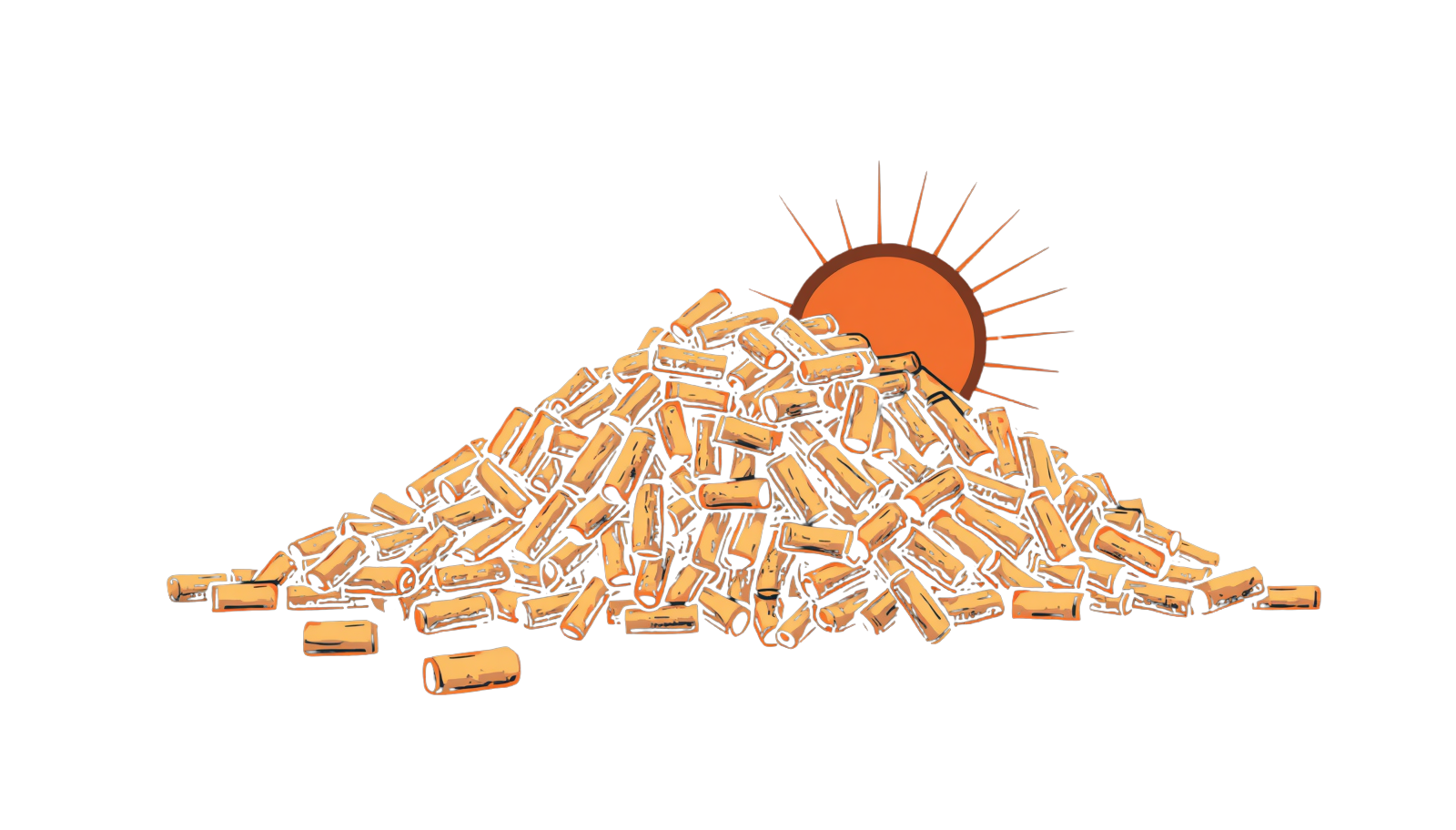
Pellets
Read →Compressed hardwood sawdust extruded into uniform cylinders and fed by an electric auger into a digital-thermostat-controlled cooker. Food-grade only; brand quality varies sharply between 100% single-species and oak-blend competition products.
Post Oak
Read →The Texas brisket standard — a slow-burning Mid-South hardwood with clean medium smoke, low ash, and the subtle vanilla note that defines Hill Country barbecue.