
Science.
Why fire and meat behave the way they do. The mechanisms behind bark, the stall, the smoke ring, and the rest.
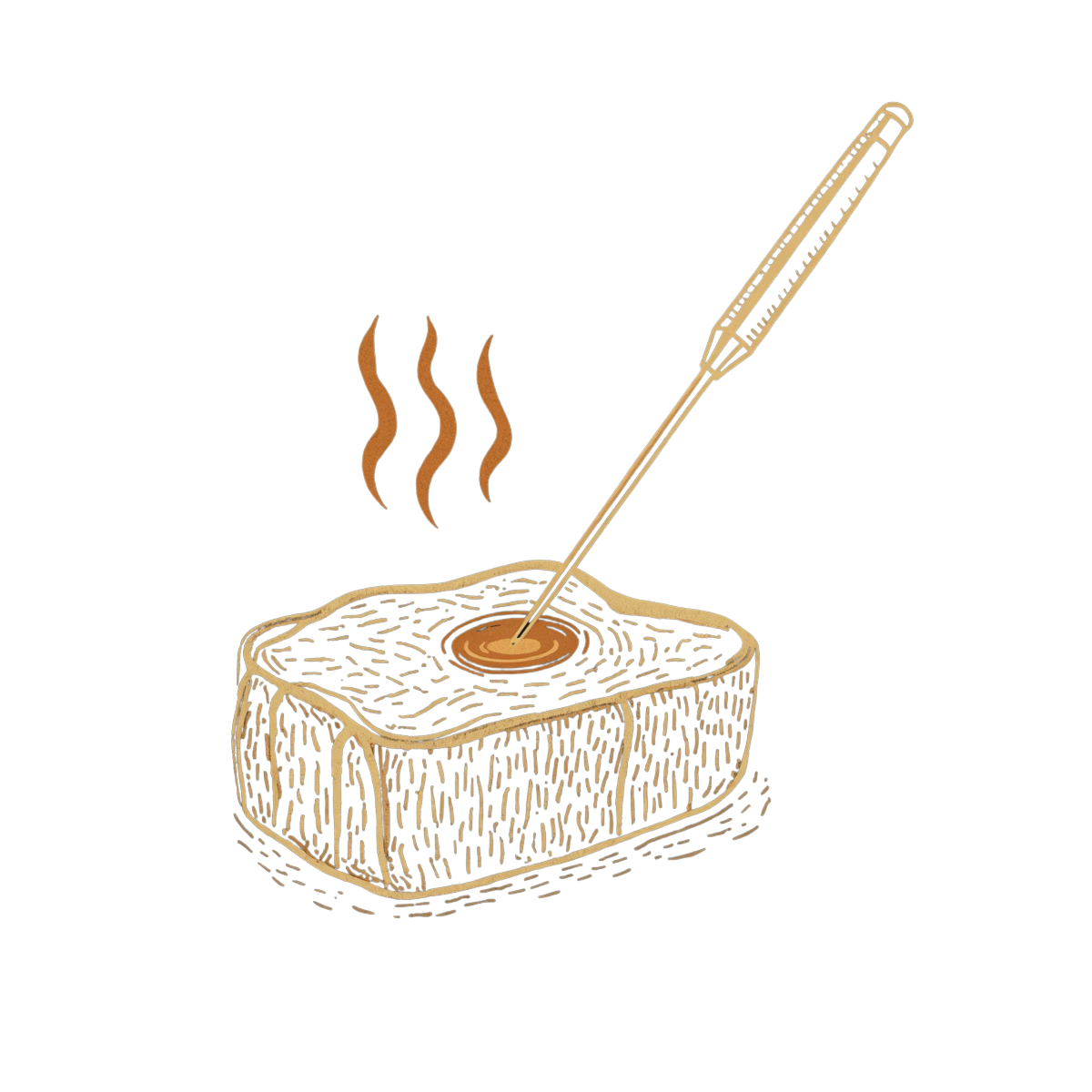
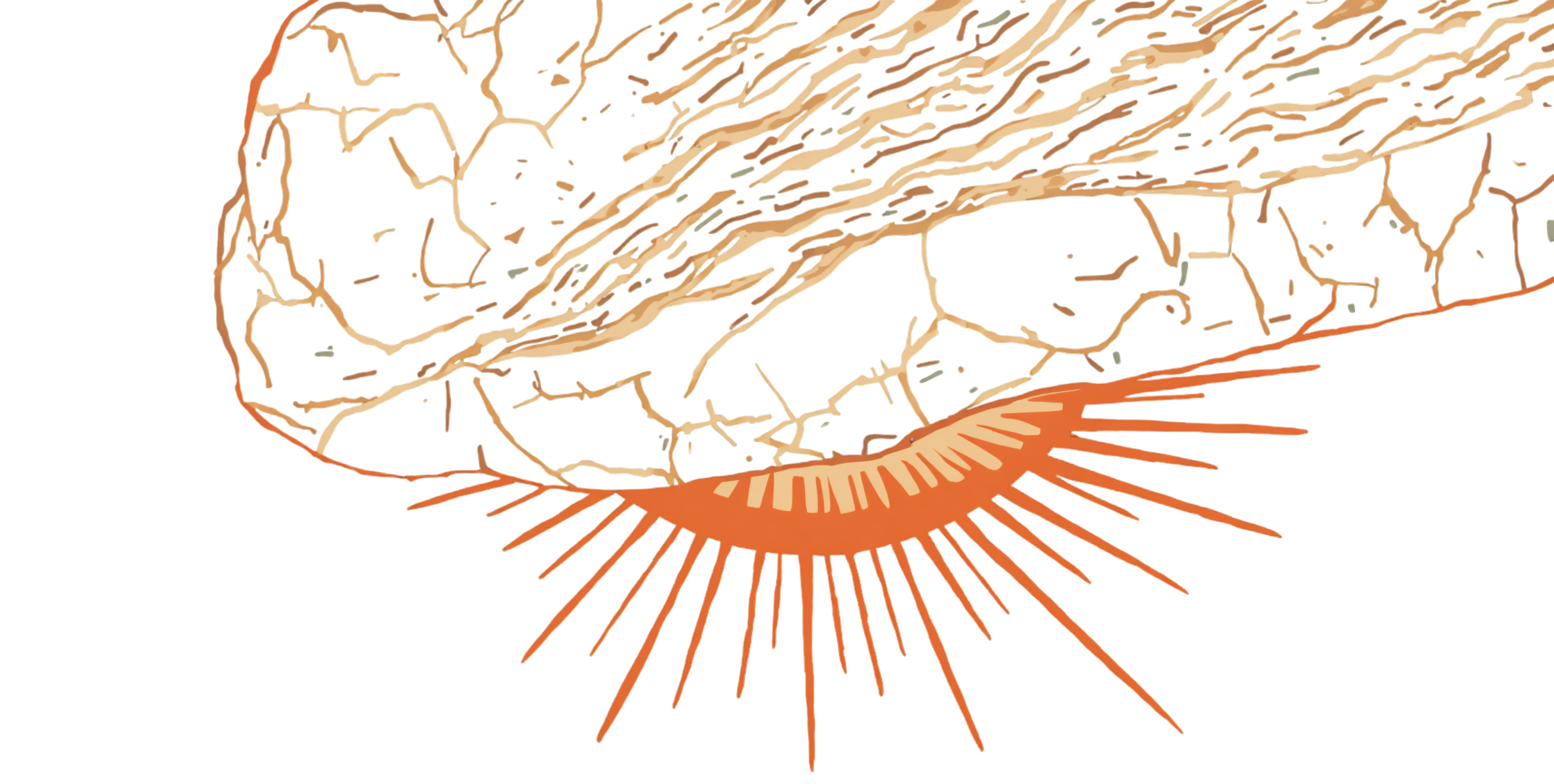
Bark
Read →The dark, savory crust that forms on the outside of smoked meat during long low-temperature cooks. A layered structure of dehydrated protein, rendered fat, spice rub, and smoke compounds — fused together by the Maillard reaction over hours.
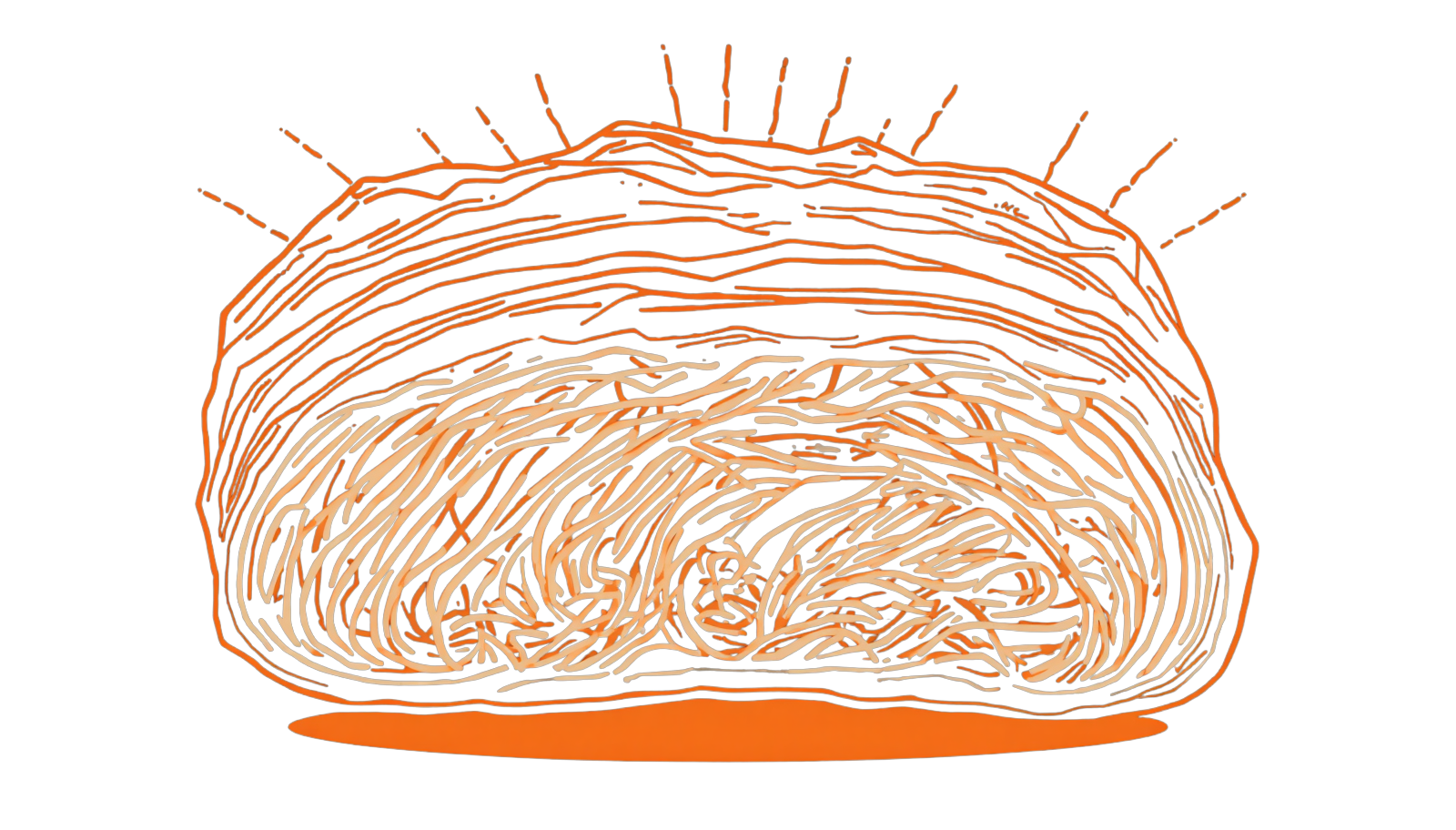
Collagen
Read →The tough connective tissue protein in cuts like brisket, pork shoulder, and ribs. Converts to silky gelatin when held at 160–205°F for hours — the transformation that turns chewy meat into pull-apart tender BBQ.
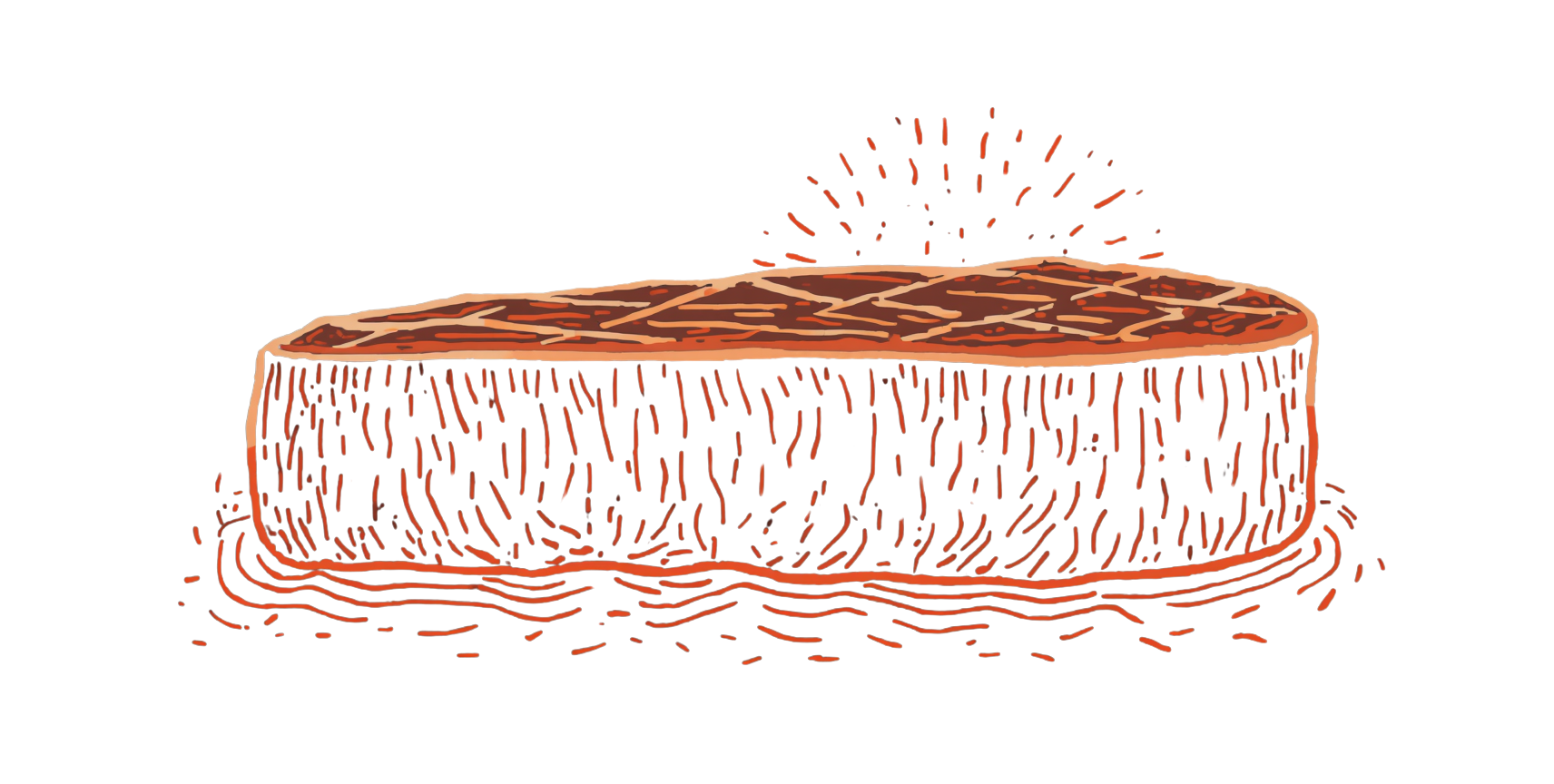
Maillard Reaction
Read →The chemical reaction between amino acids and reducing sugars that produces the brown crust and savory flavors on cooked meat. Triggers around 285°F surface temperature — the chemistry behind every sear, every bark, every browned crust on every cooked thing.
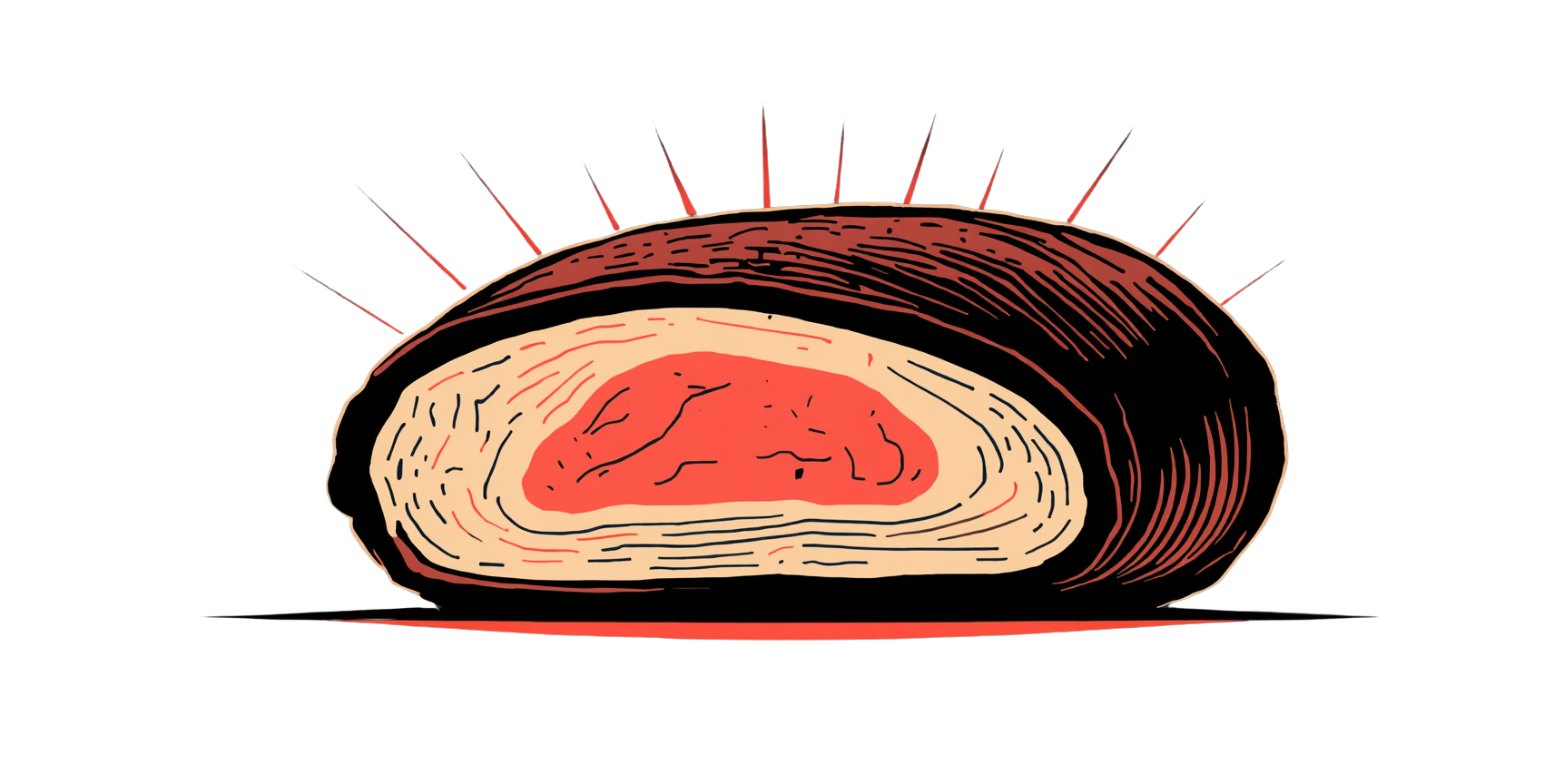
Smoke Ring
Read →The pink layer just beneath the bark on smoked meat. Caused by nitric oxide from wood smoke binding to myoglobin in the surface meat. Cosmetic — not a flavor marker, despite what competition culture suggests.
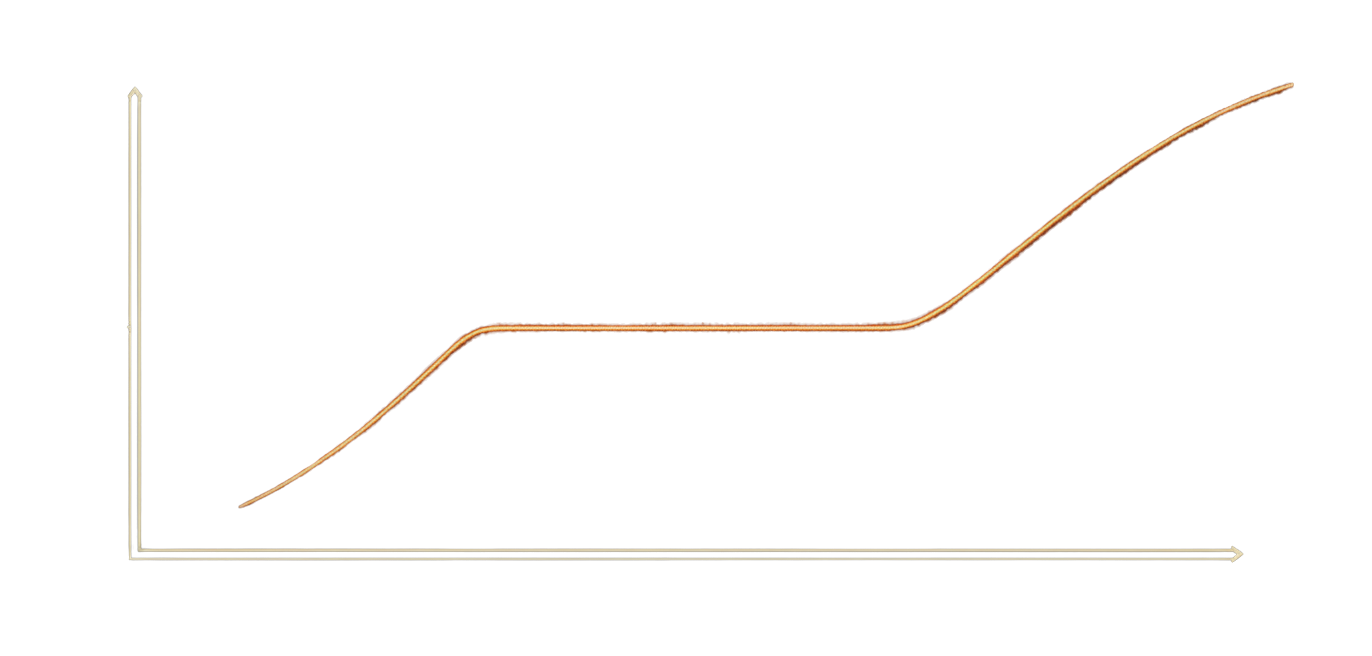
The Stall
Read →The temperature plateau (typically 150–170°F internal) where a smoking brisket or pork shoulder seems to stop cooking for hours. Caused by evaporative cooling from the meat surface.