
Technique.
How to grill, smoke, sear, reverse-sear, wrap, and finish. Each move with the people who teach it best.
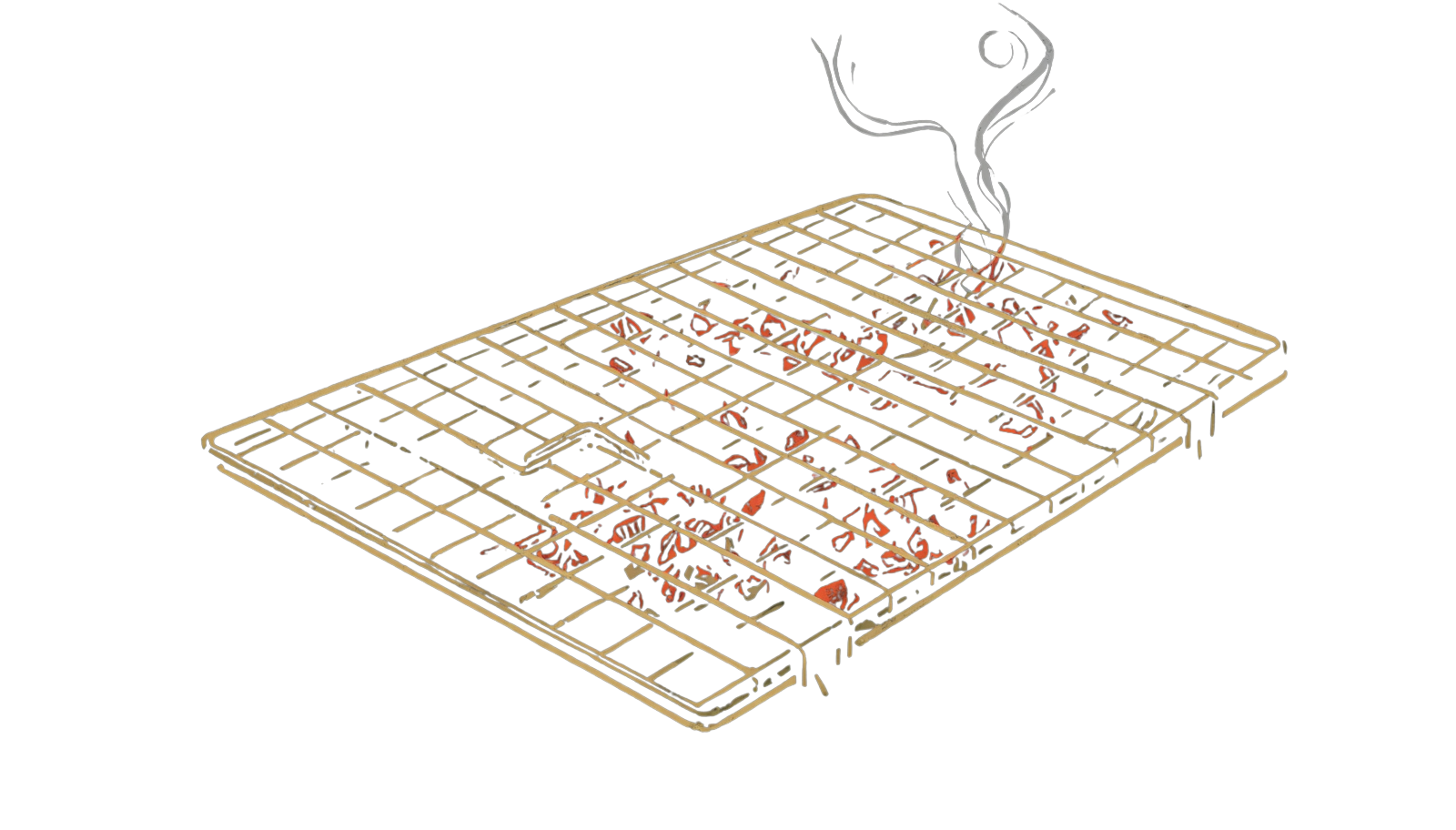
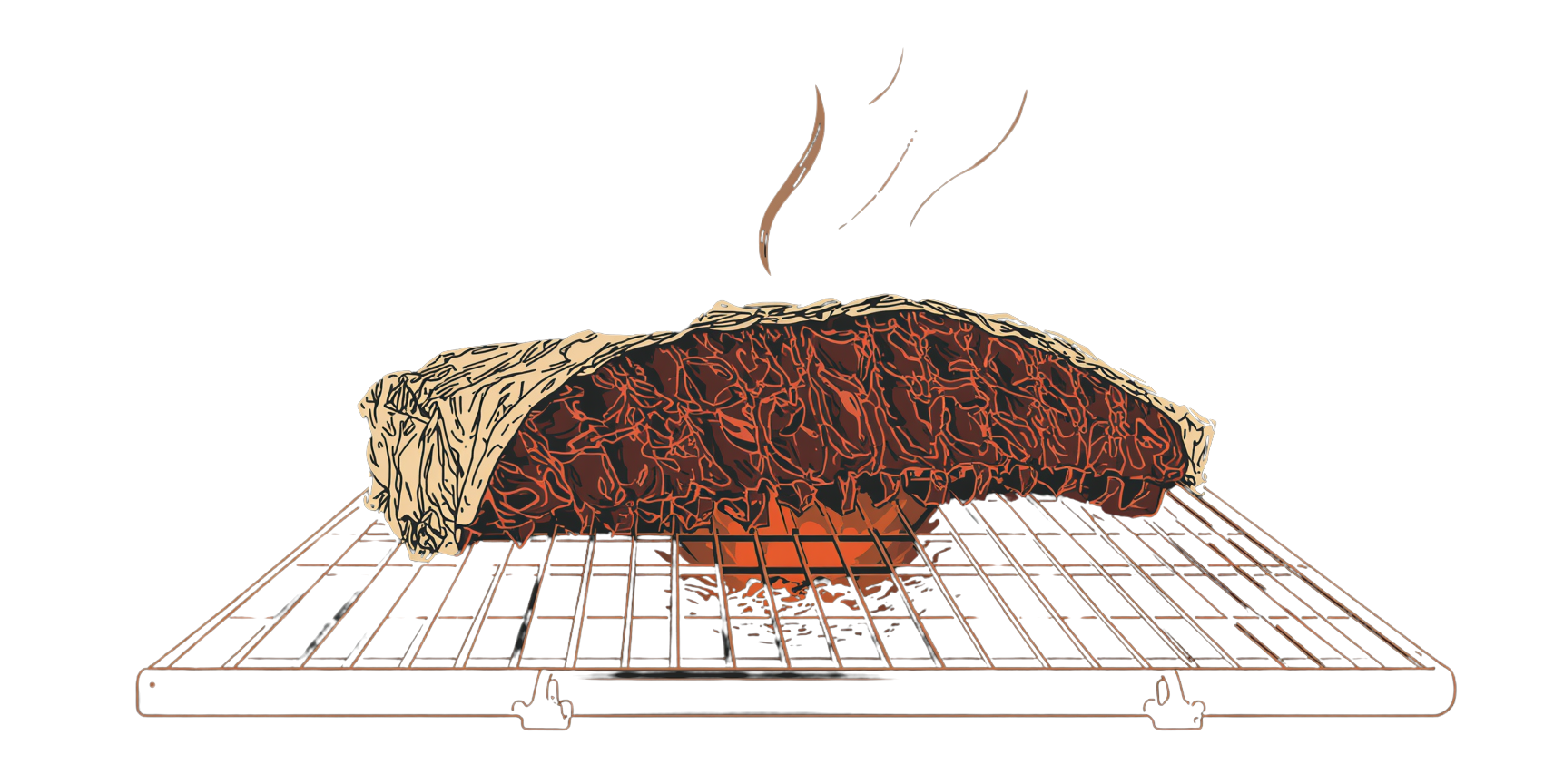
3-2-1 Ribs
Read →A timed formula for smoking pork ribs: 3 hours unwrapped, 2 hours wrapped, 1 hour unwrapped and sauced. A beginner-friendly route to reliable, tender ribs — and a starting point most cooks adjust once they learn to read doneness by feel.
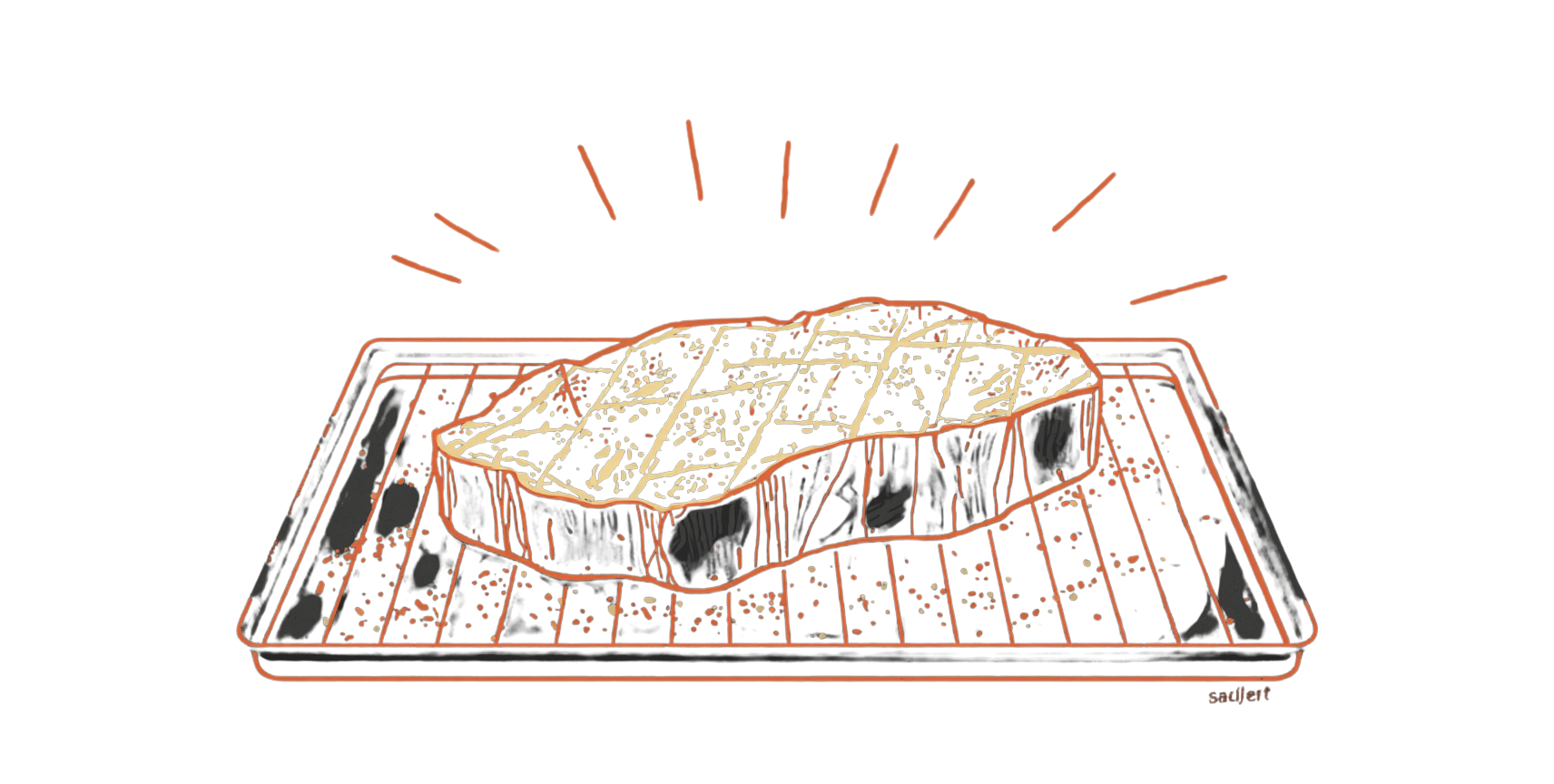
Dry Brine
Read →Salting meat well ahead of cooking and resting it uncovered in the fridge — no liquid. The salt seasons deep into the meat, helps it hold moisture, and dries the surface for a better sear and crispier skin.
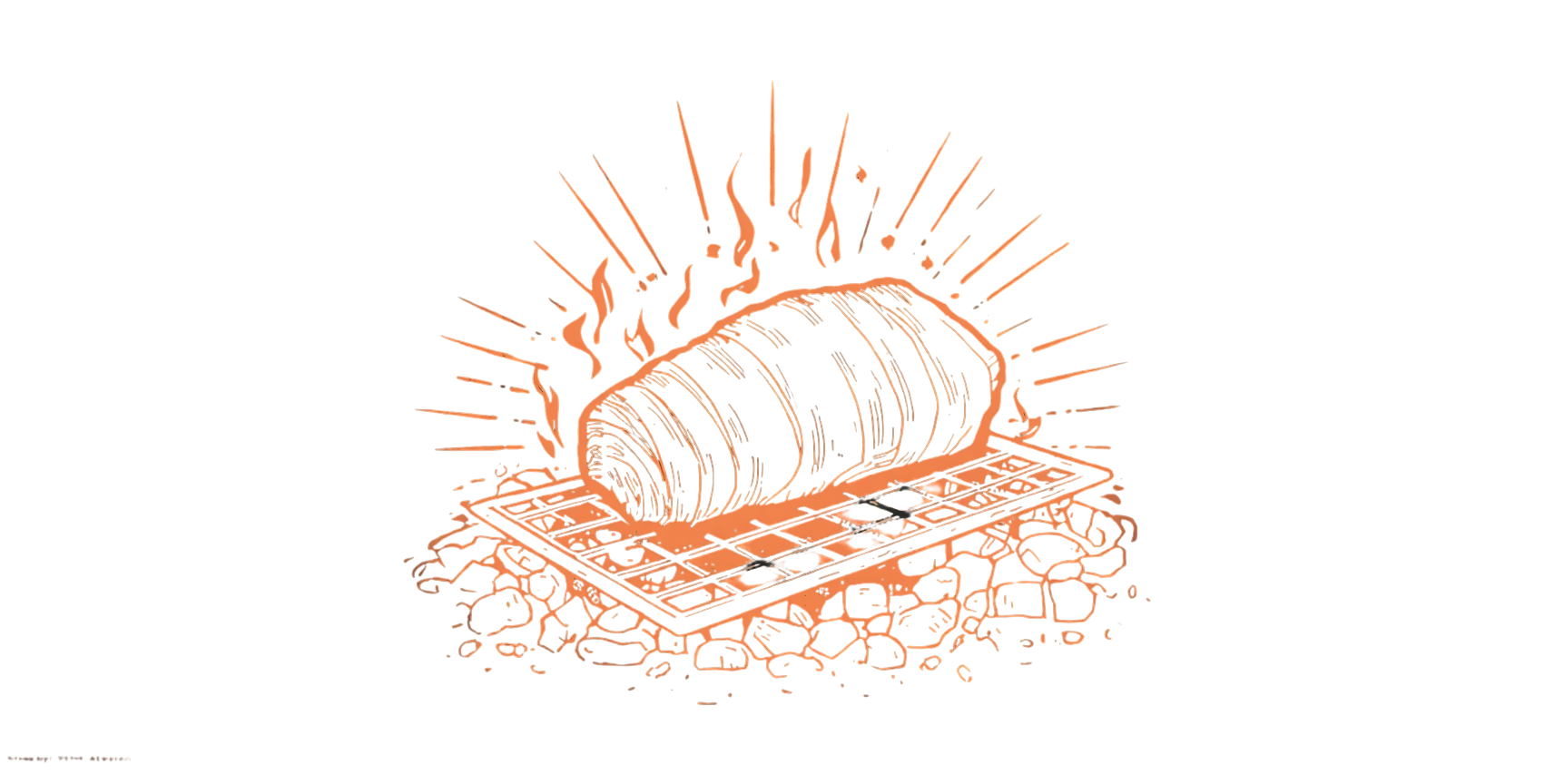
Hot and Fast
Read →Cooking barbecue cuts at higher temperatures (roughly 300–350°F) to finish in a fraction of the time low and slow takes. Trades some rendered fat and bark depth for speed.
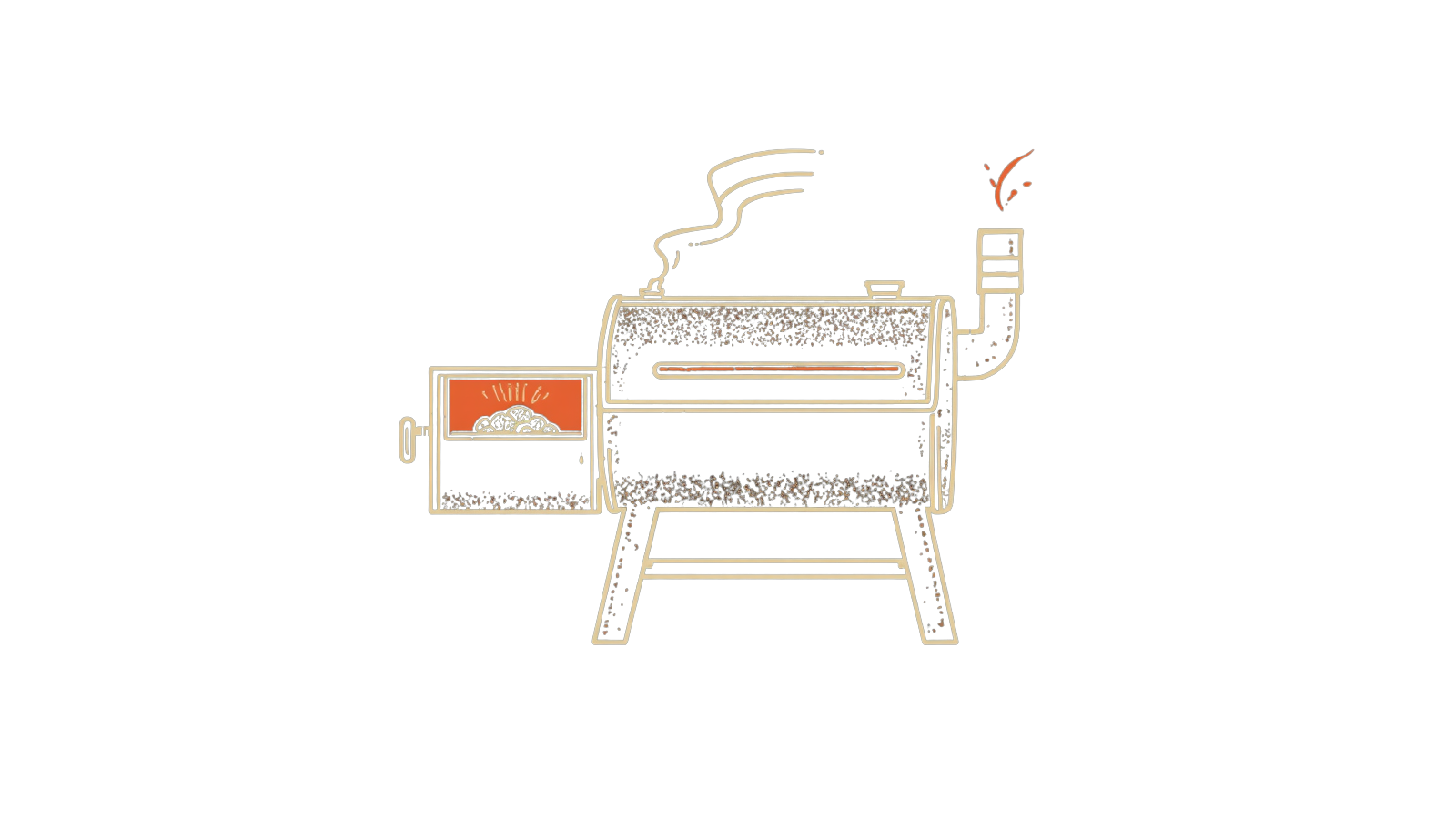
Low and Slow
Read →Cooking large, tough cuts at low temperatures (typically 225–275°F) for many hours. The defining technique of American barbecue.
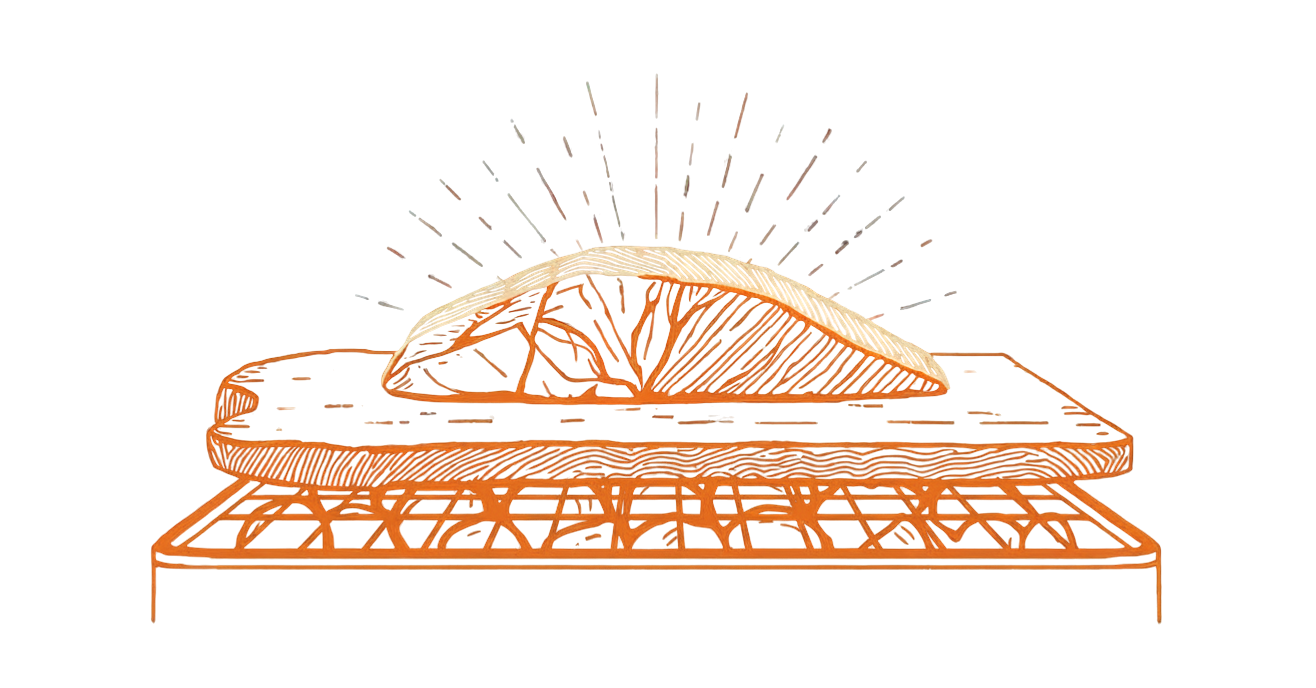
Plank Grilling
Read →Cooking food — most often salmon — on a thin wooden plank set over the grill. The soaked plank smolders to add mild wood aroma while shielding delicate fish from direct flame, keeping it moist and easy to serve.
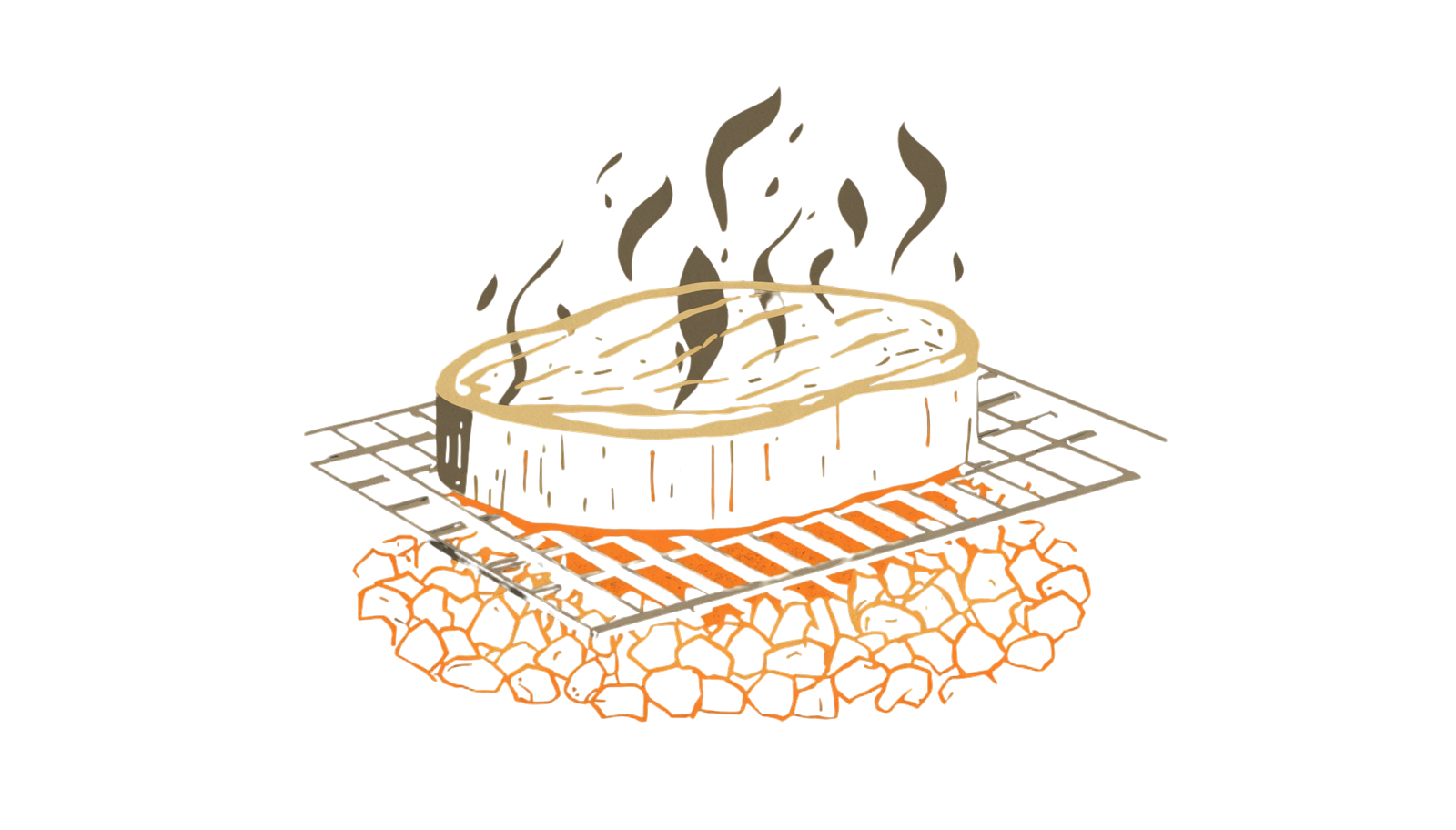
Reverse Sear
Read →Cook the inside first at low heat, then sear the outside at high heat to finish. Produces an evenly cooked interior with a crisp crust.
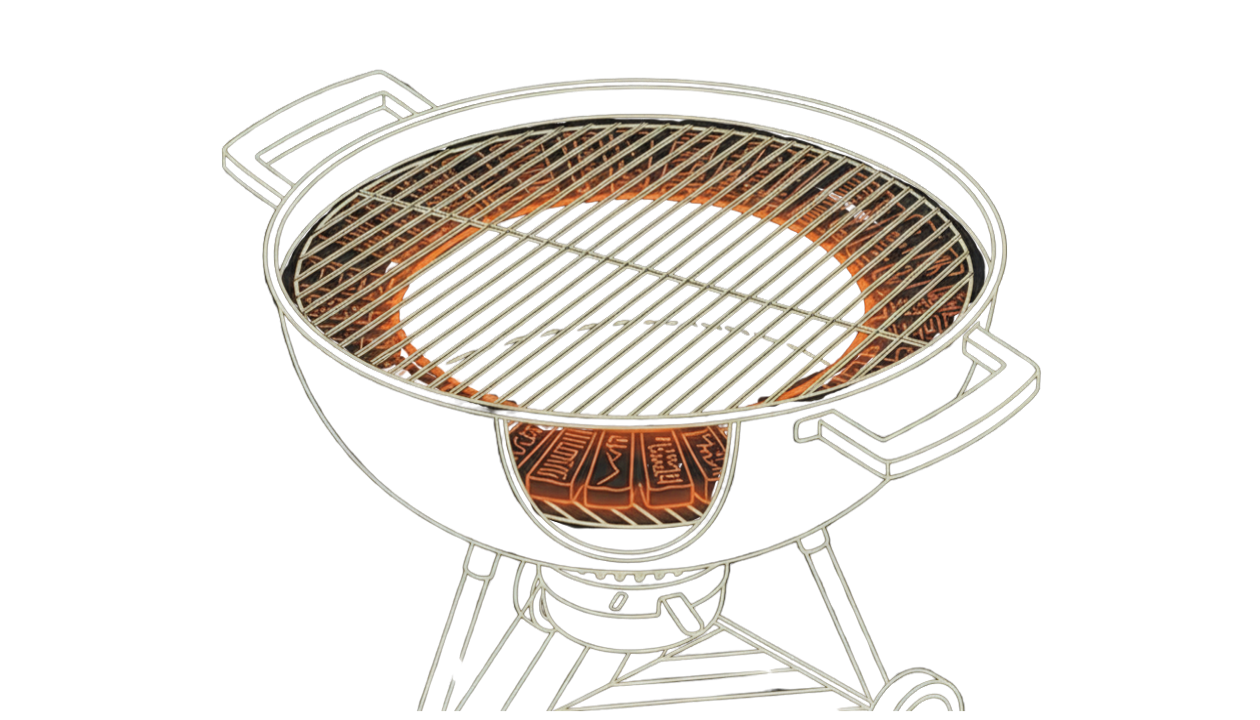
Snake Method
Read →A long C-shape of unlit charcoal briquettes around the perimeter of a kettle grill, lit at one end and slowly burning around. Turns a kettle into a low-and-slow smoker that holds 225–275°F for 8-12 hours on a single fuel load.
Sous Vide
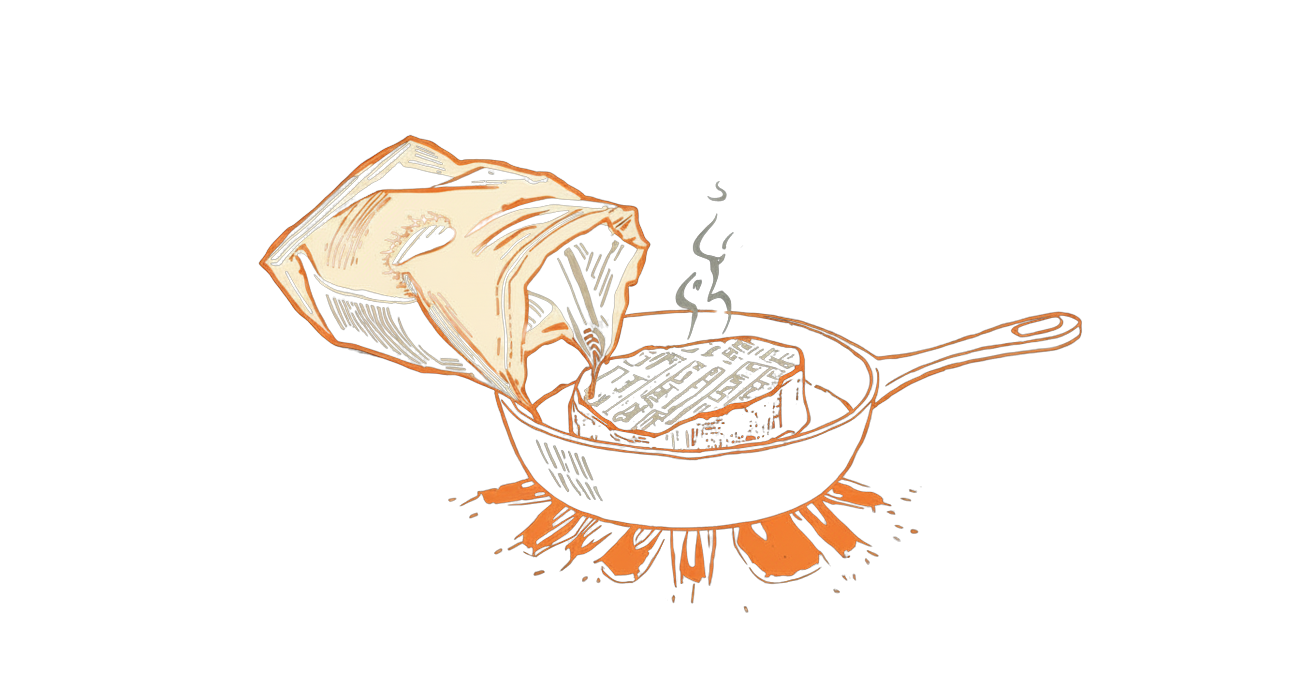
Read →Cooking vacuum-sealed food in a precisely temperature-controlled water bath, then searing to finish. The bath sets an exact, edge-to-edge doneness that high heat alone can't; the sear adds the crust.
Spatchcock
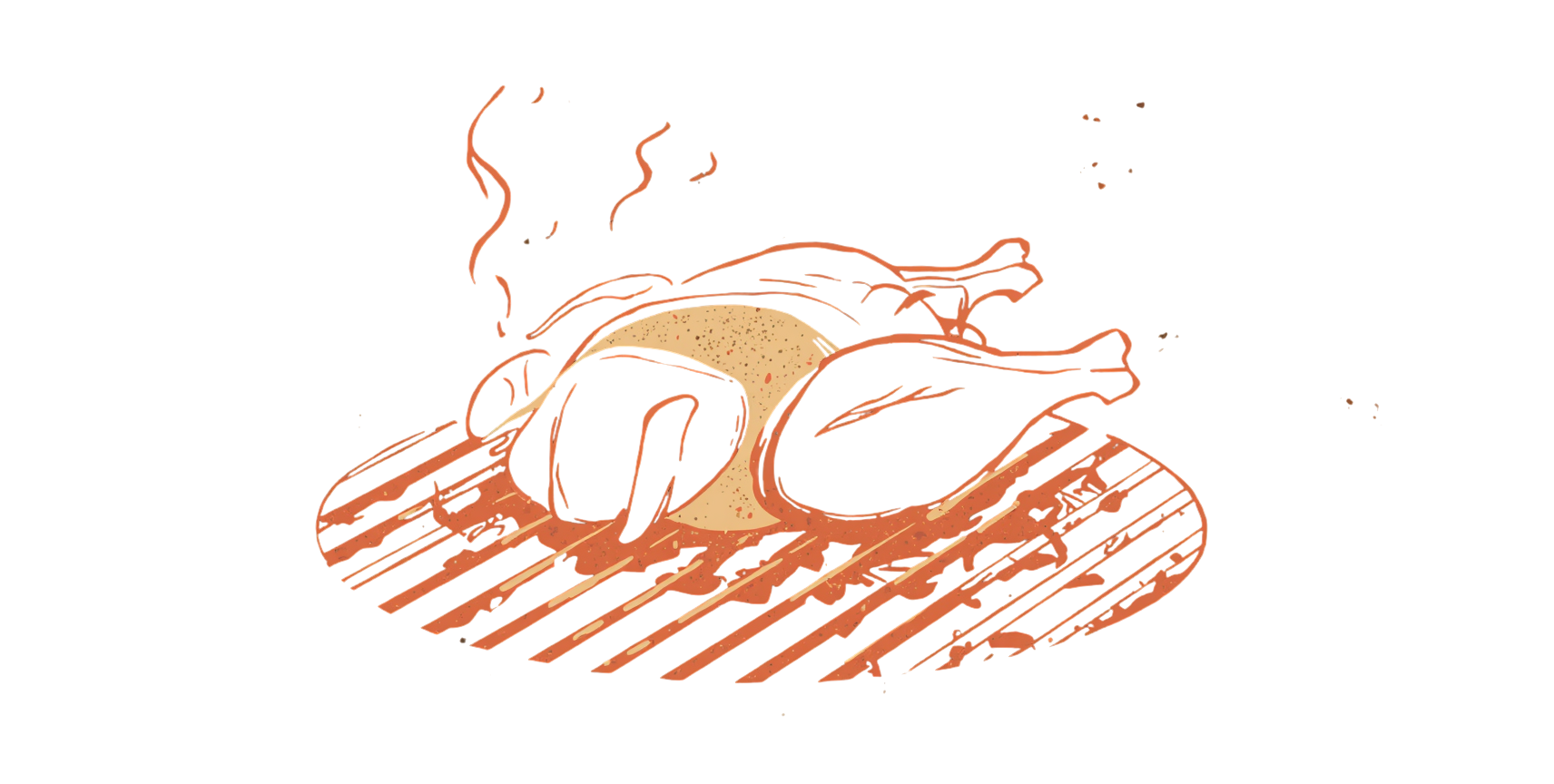
Read →Removing a bird's backbone and pressing it flat so it cooks evenly and quickly. The flattened shape exposes all the skin to the heat at once and lets white and dark meat finish together — the fix for the raw-thigh-next-to-dry-breast problem.
Spritzing
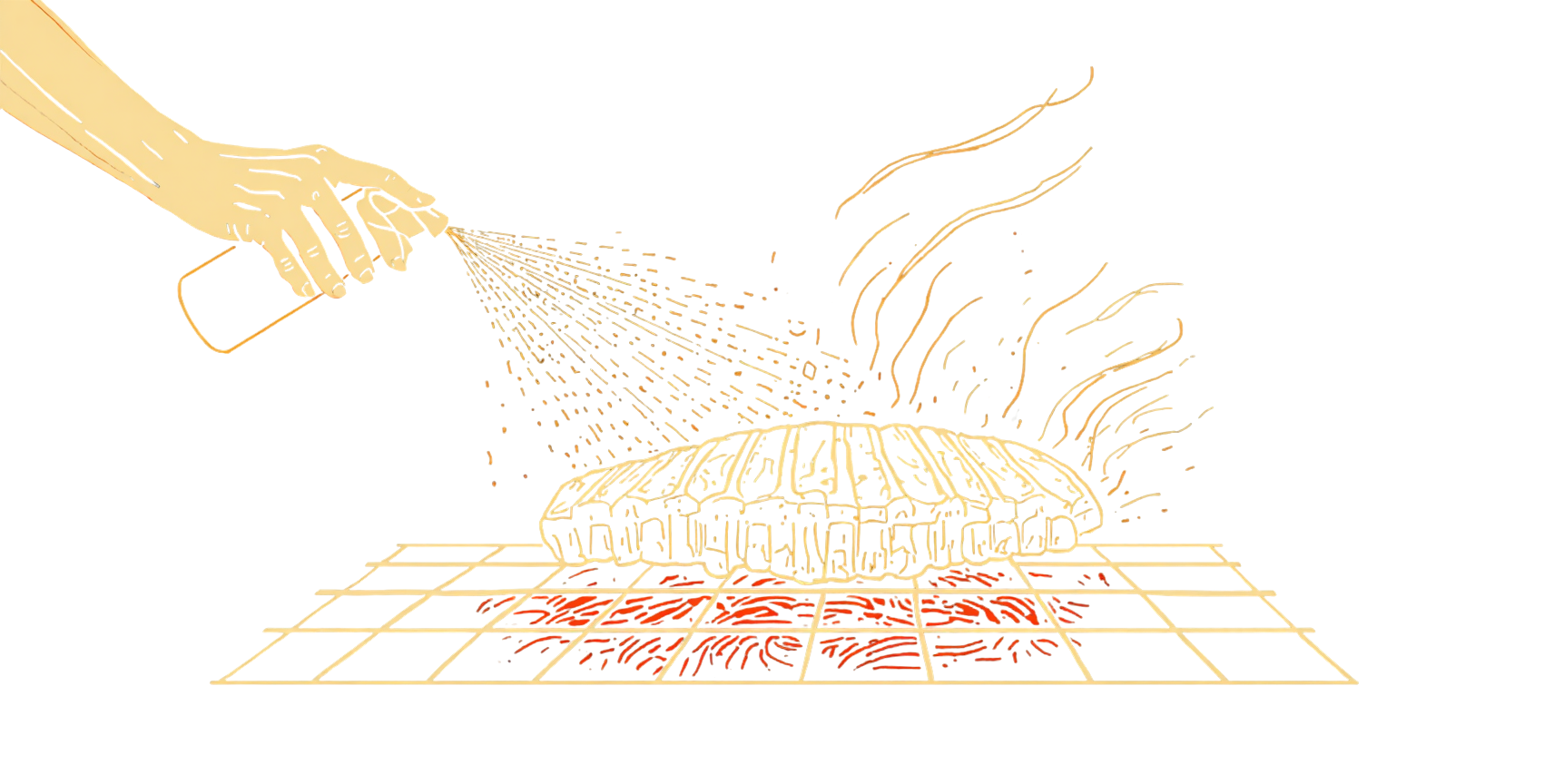
Read →Misting or brushing liquid onto meat during a long cook to keep the surface moist, build bark in layers, and add a little flavor. Spritzing uses a spray bottle; the older mopping does the same with a thicker sauce and a brush.
Texas Crutch
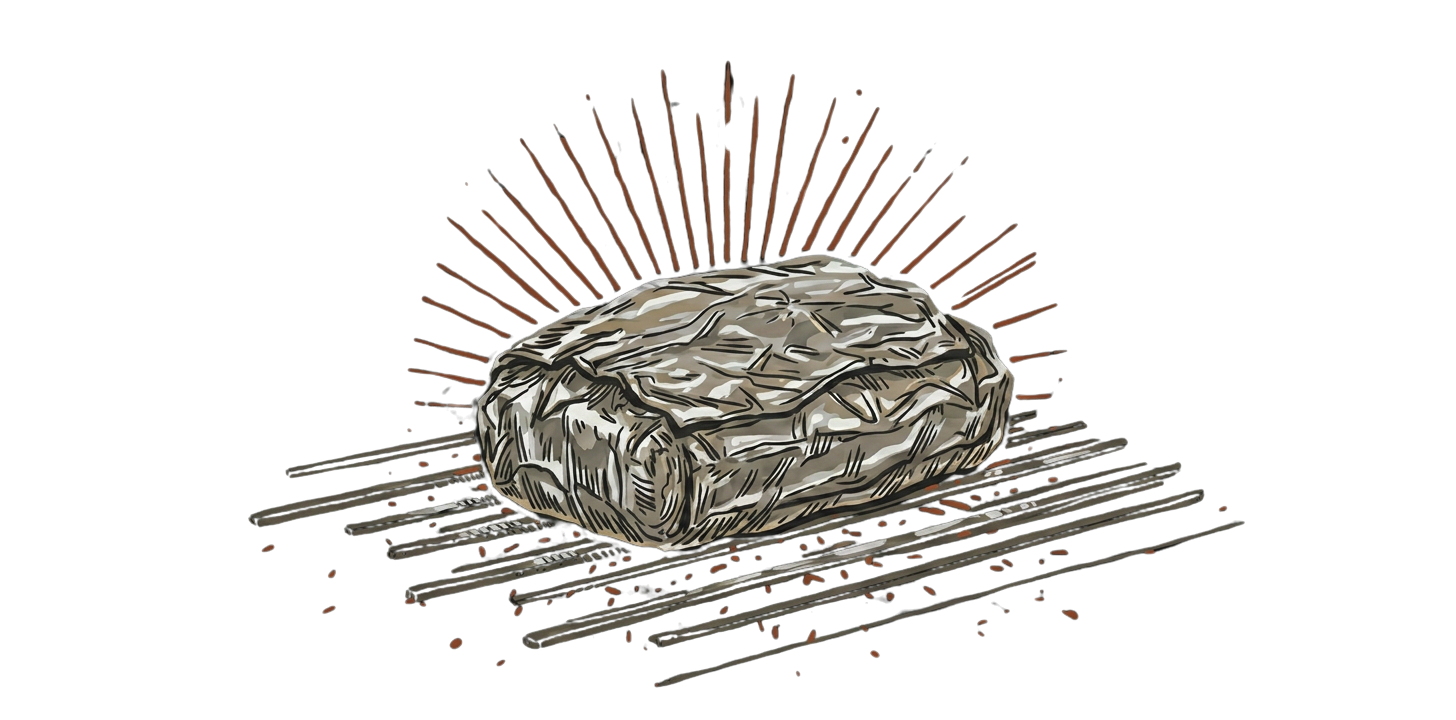
Read →Wrapping a cooking brisket or pork shoulder in foil or butcher paper, usually to push through the stall. Foil softens the bark; paper preserves it.
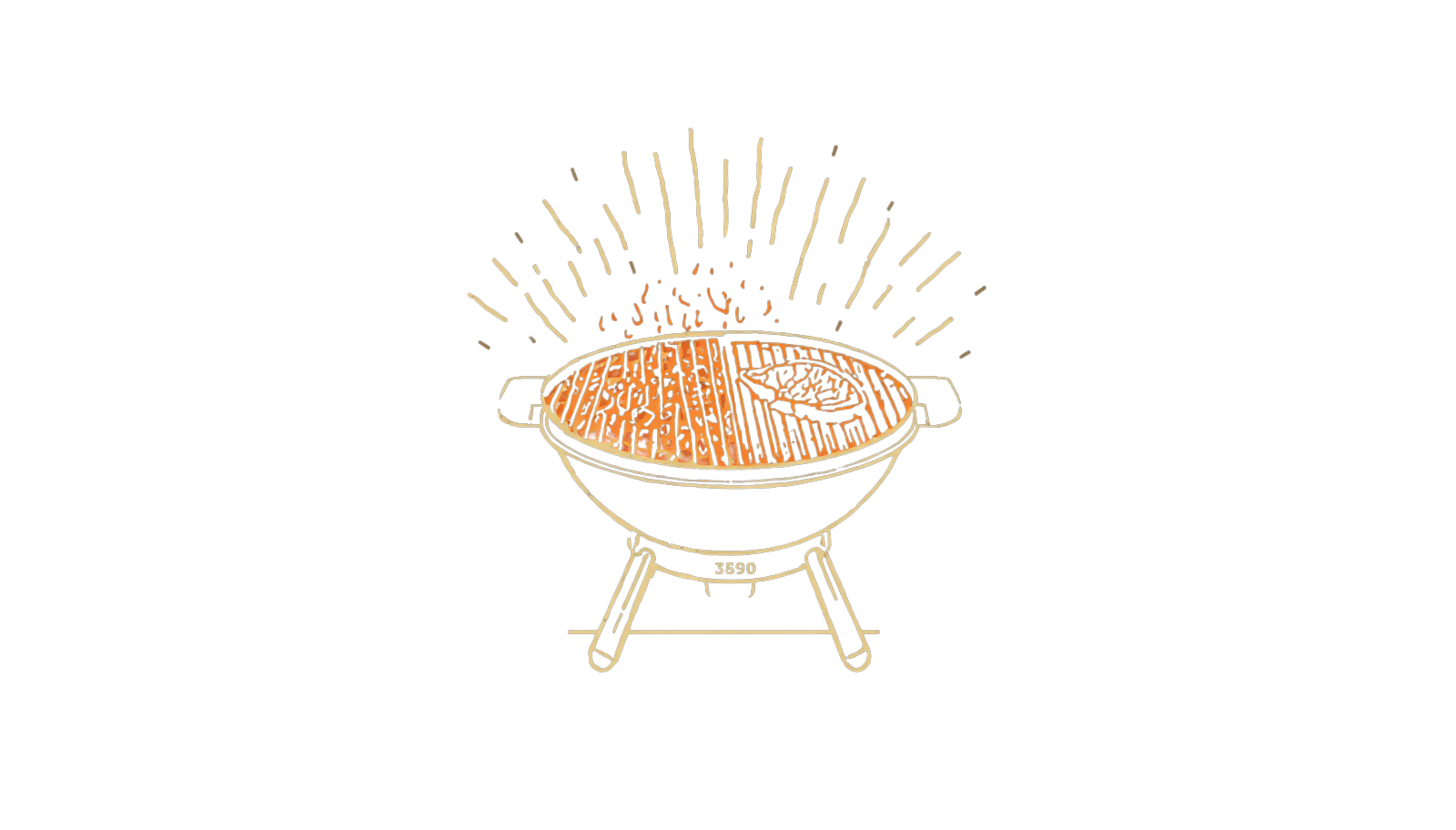
Two-Zone Fire
Read →Building a fire on only one side of a grill, leaving a direct-heat zone (for searing) and an indirect-heat zone (for finishing or holding). The foundation of grilling control.
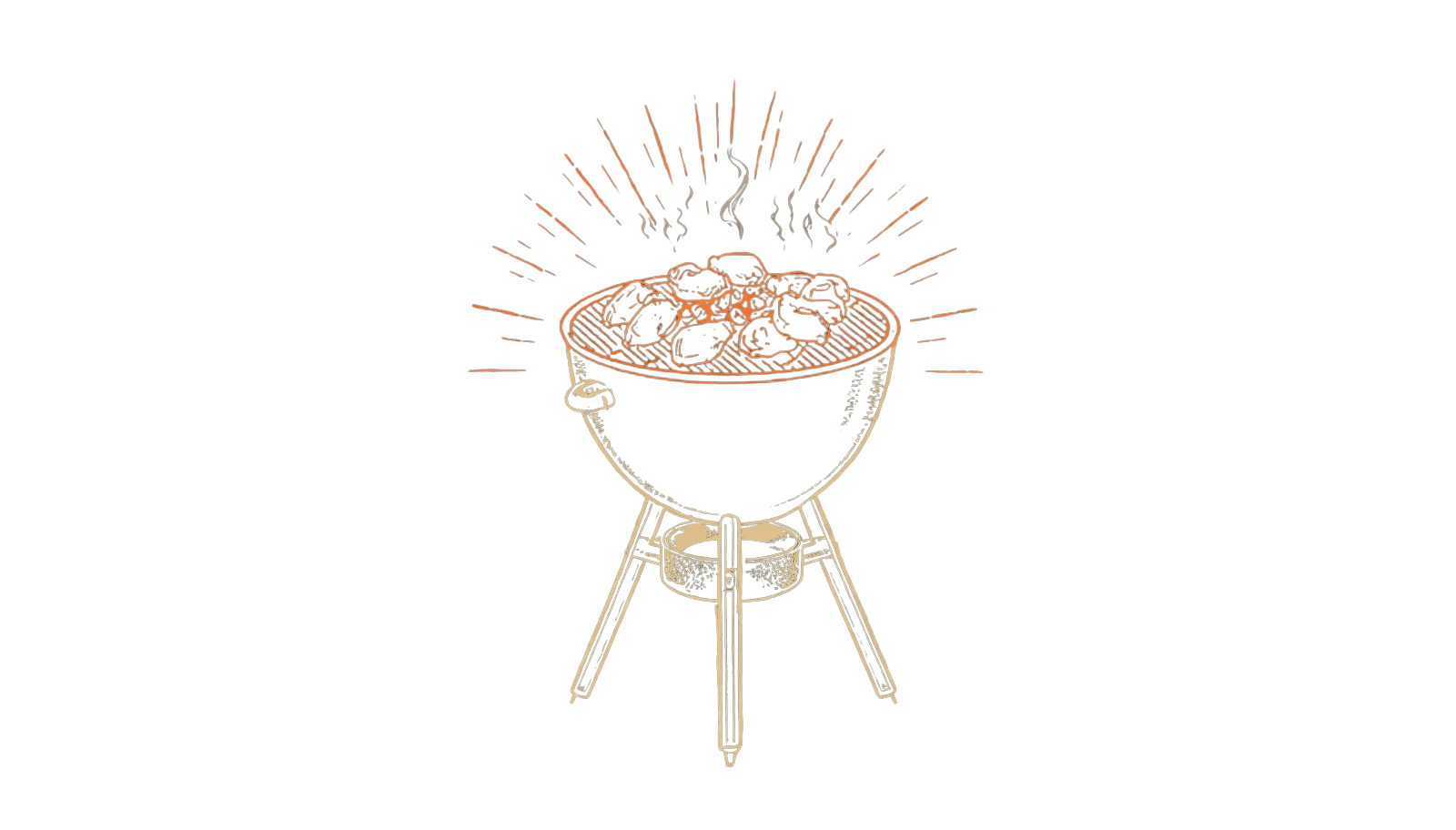
Vortex Method
Read →Concentrating charcoal in a cone-shaped basket (the Vortex) at the center of a kettle grill to create a column of intense radiant heat. Runs 500–600°F for crispy-skinned chicken wings cooked around the cooler outer ring.