
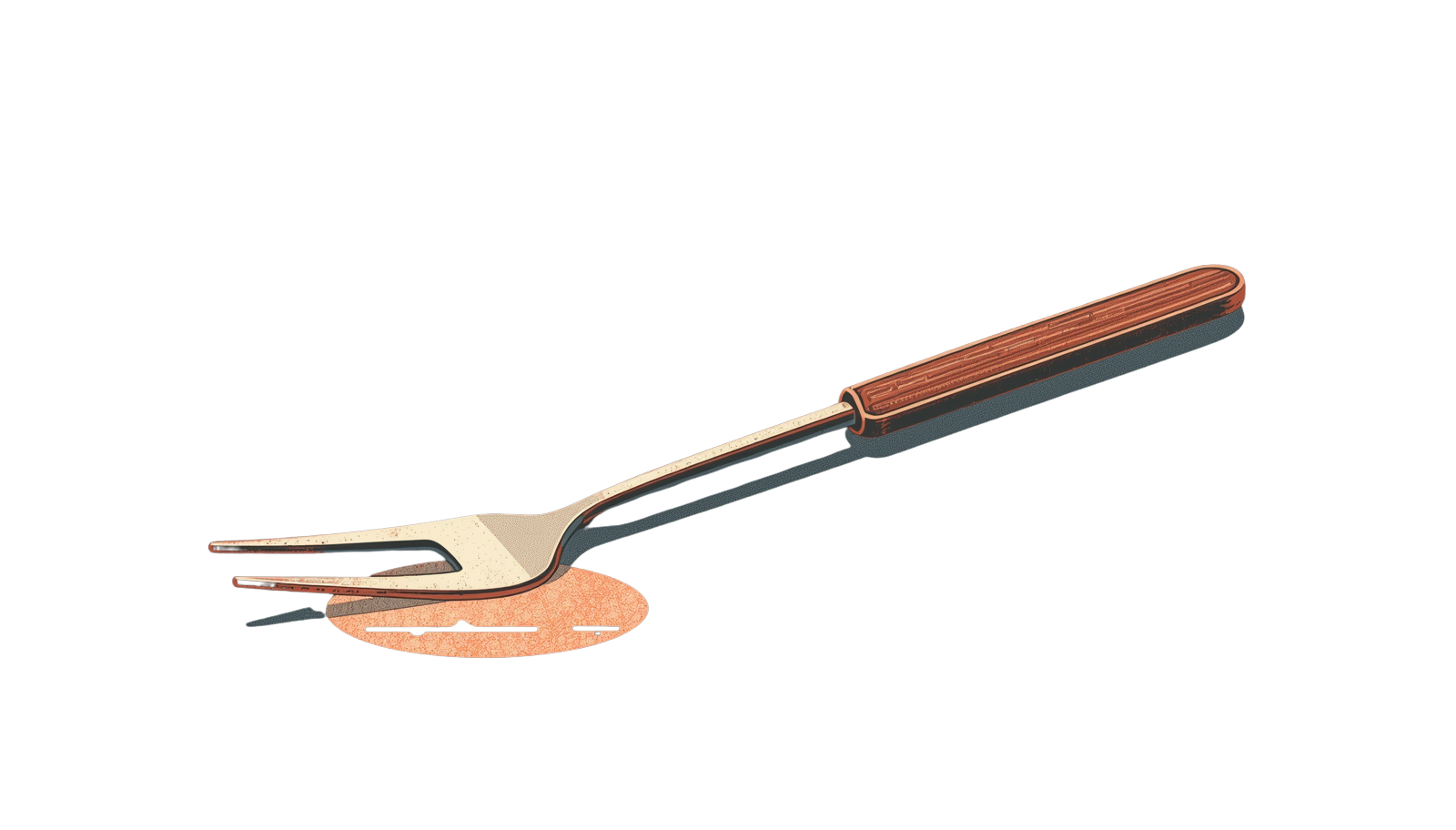
BBQ Fork
A BBQ fork is the long two-tined utensil that ships in every three-piece starter set alongside a spatula and a pair of tongs. The honest answer about it is that most serious BBQ writers tell you to leave it in the drawer. Steven Raichlen’s rule — “turn, don’t stab” — is the consensus: piercing the surface tears the seared crust and lets juice run into the fire. Meathead Goldwyn pushes back gently on the science (the moisture loss from a single puncture is real but small — meat isn’t a balloon) but agrees the practical answer is the same: tongs and a sharp spatula give you more control, so reach for those. The fork earns its keep in two specific places — steadying a brisket or prime rib while you carve it after the cook, and repositioning splits or whole roasts in a deep offset smoker firebox where tongs don’t have the reach. Outside of those, it’s the tool in the kit you use least.
- Material
- Stainless steel tines · wood, plastic, or rubber handle
- Length
- 12–18″ standard · 24″+ pit forks for offset fireboxes
- Price
- $5–15 (starter-set fork) · $20–40 (standalone carving fork)
- Best at
- Steadying a roast for carving · moving logs in a firebox
- Worst at
- Turning meat on the grate — that's tongs' job
- Expert verdict
- Most pitmasters skip it; the one in your set comes from convention, not necessity
What it is
A BBQ fork is a long-handled two-tined utensil, typically 12 to 18 inches overall, with two straight stainless steel tines about three to four inches long set in a wooden, plastic, or rubber handle. It ships in nearly every three-piece starter grill set — alongside a spatula and a pair of tongs — because the three-piece set is the convention, not because the fork earns equal billing with the other two. Walk through a backyard or competition pit and you’ll see the spatula and tongs in constant use; the fork mostly stays hung on the side of the cart.
The carving fork is its kitchen-counter cousin — shorter handle, often curved tines — designed to steady a roast on a board while a knife slices through. The pit fork is the long-handled extreme: 24 inches or more, sometimes with bent tines, sold for offset-smoker firebox work where you’re repositioning splits in a live fire and tongs don’t reach. The grill-set fork sits between those two without owning either job particularly well.
How it works
The fork’s function is simple: the two tines pierce the surface of whatever you’re handling, lock into the muscle fibers underneath, and let you lift, flip, or steady the piece with leverage you can’t get from the outside. On a roast, that purchase is real — a fork sunk into the side of a prime rib gives you a steady grip while the carving knife does its work. In a firebox, the long tines hook a smoldering split and let you slide it where you want it without dropping the tongs into the coals.
The problem is what that puncture does on cooking meat. Every BBQ writer working today — Raichlen, Goldwyn, Bulloch, Vaughn — converges on the same practical advice: don’t use a fork on meat during the cook. Raichlen’s Commandment 6 of grilling is literal: “Never stab the meat with a carving fork — unless you want to drain the flavor-rich juices onto the coals.” Goldwyn’s science layer is more nuanced — the actual moisture loss from a single puncture is small, because meat is muscle fiber held together by connective tissue, not a balloon — but he reaches the same conclusion: tongs and a sharp spatula give you more control over the turn. The fork is a worse version of both tools at the jobs they’re meant for.
Setting it up
The honest setups for a BBQ fork are post-cook and away-from-meat. Neither is the job most starter sets imply.
Carving steady (after the cook)
After the rest, a fork sunk into the side of a brisket, prime rib, or whole turkey gives you a fixed grip while you slice. The puncture doesn’t matter at this stage — the cook is done, the juices have redistributed, the rest is over. Meathead Goldwyn’s own carving-fork piece on AmazingRibs endorses the tool for exactly this. A short-handled carving fork with curved tines (the kitchen kind, not the grill-set kind) is the right shape for the job.
Firebox split-wrangling
In a deep offset firebox, a long pit fork (24 inches or more) hooks a smoldering oak or hickory split and slides it onto the coal bed without you reaching into the fire. Tongs work if they’re long enough, but a fork lets you scoot a log endwise into a tight stack where tongs need swinging room. This is the one place the grill-set fork comes close to earning its length — though most pitmasters buy a dedicated long pit fork for the job rather than using the short one from the set.
Moving a whole roast off the pit
A whole pork shoulder or a packer brisket coming off the smoker is a two-hand lift. A long fork sunk into a thick section, paired with insulated gloves or a spatula under the far end, gets the cook onto a sheet pan without losing it. The puncture wound matters even less here than in carving — the meat is about to be wrapped and rested anyway.
The unifying rule is the timing. Once the meat is off the heat and resting, puncturing it has no meaningful consequence. While the cook is in progress — turning a steak, flipping a chicken thigh, repositioning a rib rack — reach for tongs every time.
Where it earns its keep
The honest list is short. A BBQ fork pays off as a carving steady on a finished roast, and as a long-handled tool for moving logs and large cuts where tongs run out of reach. Outside those two jobs, every expert in the canon — Raichlen, Goldwyn, Vaughn, Bulloch — tells you to reach for something else. That makes the fork an honest secondary tool, not a primary one: useful when the job calls for it, missable when it doesn’t.
For the meat-handling jobs that pull cooks toward the fork — shredding pulled pork, lifting a whole bird off the grate, holding a brisket while you slice — the modern answer is purpose-built. Shredder claws do the pulling without tearing the bark; insulated gloves lift the bird; a long slicing knife and a board with a spike rim hold the brisket steady. Each is better at its job than the fork is.
Where it falls short
This is the section that carries the entry. The reasons experienced cooks skip the fork are specific and consistent:
Punctures the seared crust
The seared exterior is the cook’s centerpiece — the Maillard reaction developing color, flavor, and texture at the surface. Two tine holes in the middle of that crust are two channels through which juice runs and the integrity of the surface breaks. The moisture loss is small, as Goldwyn notes, but the visual damage to a sliced steak or a brisket point isn’t worth a tool that does the job worse than tongs do.
Worse control than tongs
This is the real argument, and it’s the one Goldwyn emphasizes. Tongs grip two surfaces at once and let you turn meat in any direction. A fork hooks one point, and the meat swings or tears as you flip it. Try turning a chicken thigh with a fork and you’ll end up with shredded skin and a piece that landed face-down in the fire. Tongs do the job cleanly the first time.
Tears the bark on smoked cuts
On a long cook with a developed bark, two tines through the crust pull off the spice layer and the rendered fat that defines the surface. Susie Bulloch’s blunt rule for pulled pork and smoked chicken: “Leave the regular forks in the drawer, and use these shredder claws to pull all your smoked chicken and pork.” The claws are wider, blunter, and don’t tear the bark.
Wrong tool for delicate proteins
Fish, burgers, skin-on chicken pieces — the proteins that need the gentlest handling — are the ones the fork ruins fastest. A fish fillet tined and lifted comes off in two pieces. A burger pierced loses the juice that holds it together. A fish spatula slides under and lifts; tongs grip and turn. Neither leaves a hole.
Every expert in the canon advises against it
This is the rare gear question where the consensus across Raichlen, Goldwyn, Bulloch, and Franklin is unanimous on a single rule: turn, don’t stab. When the entire reference literature points one direction on a tool, the signal is real. The fork in your starter set is there because it came in the set, not because it earned a place in the kit.
What goes wrong.
Reaching for the fork to turn a steak
The most common misuse. Raichlen’s rule — “turn, don’t stab” — is the consensus across every working BBQ writer for a reason: tongs do the job cleanly without piercing the crust. Keep a 16-inch pair of tongs as your default flipper for everything on the grate.
Pulling pork with a fork instead of claws
A fork tears the bark and shreds it unevenly — long ragged strings instead of clean pulls. Shredder claws (blunt, plastic, four to six tines) grip the meat and pull it apart in clean handfuls without damaging the crust. They cost ten dollars and they're the right tool for the job.
Piercing during the cook to check doneness
A fork tells you nothing about internal temperature — it just opens a hole. An instant-read thermometer gives you the actual answer in a second, and the needle puncture is smaller and less destructive than two fork tines.
Using a short grill-set fork in the firebox
The 14-inch fork that came with your starter set is too short for serious firebox work — your hand ends up in the heat plume above the coals. If you're moving splits regularly, buy a dedicated 24-inch or longer pit fork. If you're not, leave it; long tongs handle most repositioning fine.
Storing the fork next to the food tools
A fork that's been in the firebox is sooty and ash-coated; one used for raw-meat carving is cross-contamination risk if it ends up back on cooked food. Keep the pit fork with the fire tools (chimney, ash bucket, gloves), and reserve a clean carving fork — kitchen drawer, not the grill cart — for finished meat.
What each of them says.
4 of the people we trust have covered this. Read or watch each in their own words.
- 01
 Meathead GoldwynAmazingRibs.com
Meathead's myth-buster: the old 'never use a fork because it drains the juices' rule is overstated. Tongs and spatulas are objectively better for turning, but the moisture loss from a fork puncture is negligible — meat isn't a balloon. The real reason to skip the fork is that tongs and a sharp spatula give you more control, not that the fork is destroying your cook.
- 02
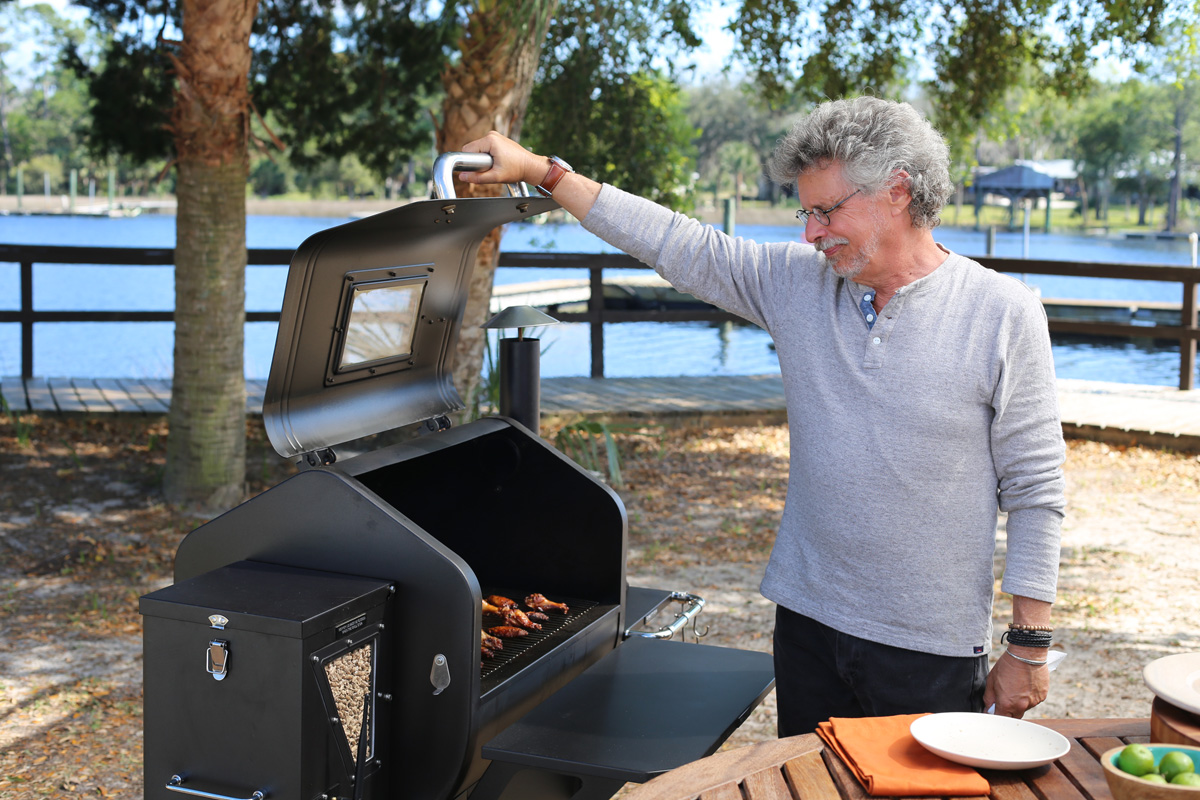 Steven RaichlenBarbecue Bible
Raichlen's hard line in his '10 Commandments of Perfect Grilling' (Commandment 6 — 'Turn, don't stab'): 'Never stab the meat with a carving fork — unless you want to drain the flavor-rich juices onto the coals.' Tongs or a spatula every time. The fork is a tradition, not a tool.
- 03
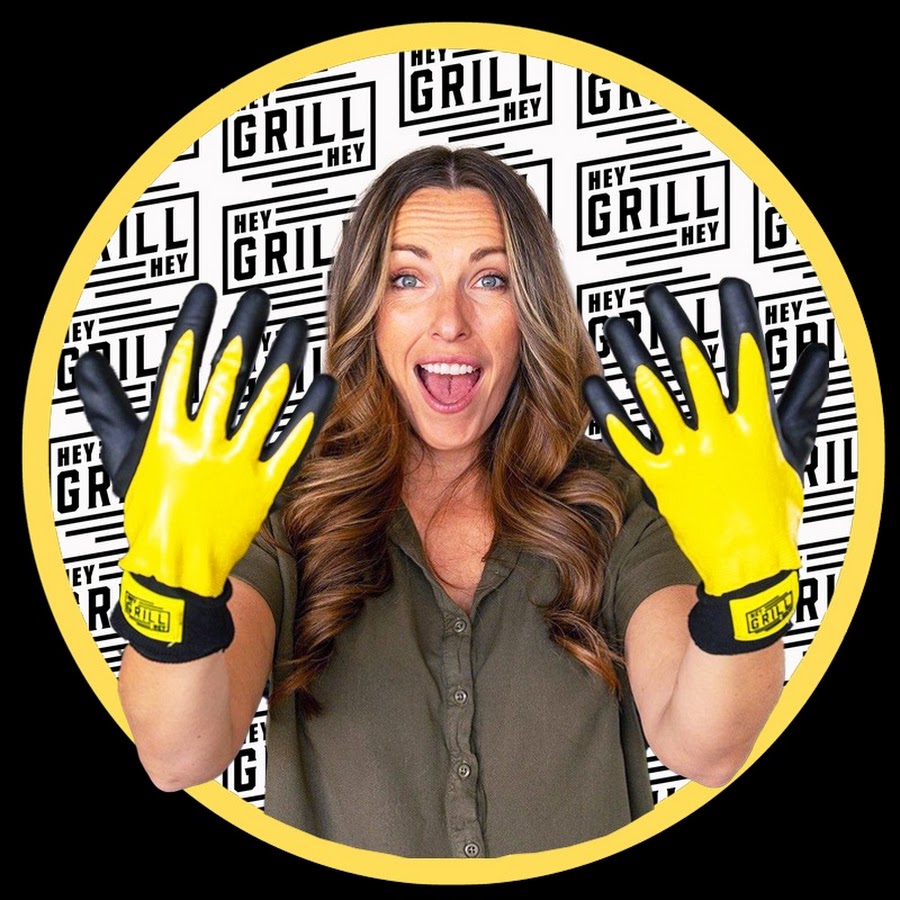 Susie BullochHey Grill Hey
Susie's family-table take in her must-have BBQ tools list: 'Leave the regular forks in the drawer, and use these shredder claws to pull all your smoked chicken and pork.' For the jobs people reach for a fork (shredding, lifting big cuts off the smoker) claws are safer, faster, and don't tear the bark.
- 04
 Chud's BBQYouTube
Watch what a Texas pitmaster actually reaches for when handling a 14-pound brisket — a sharp boning knife, tongs, bare hands in nitrile. No fork. Bradley Robinson trims, flips, and rotates the brisket through the whole cook without one ever entering frame, which is the entry's whole point.
Cook it. Save the record.
Every cook gets a permanent entry — cut, fuel, temp, time, photo, what worked. Next time you want to nail that exact crust, you'll have the receipt.