
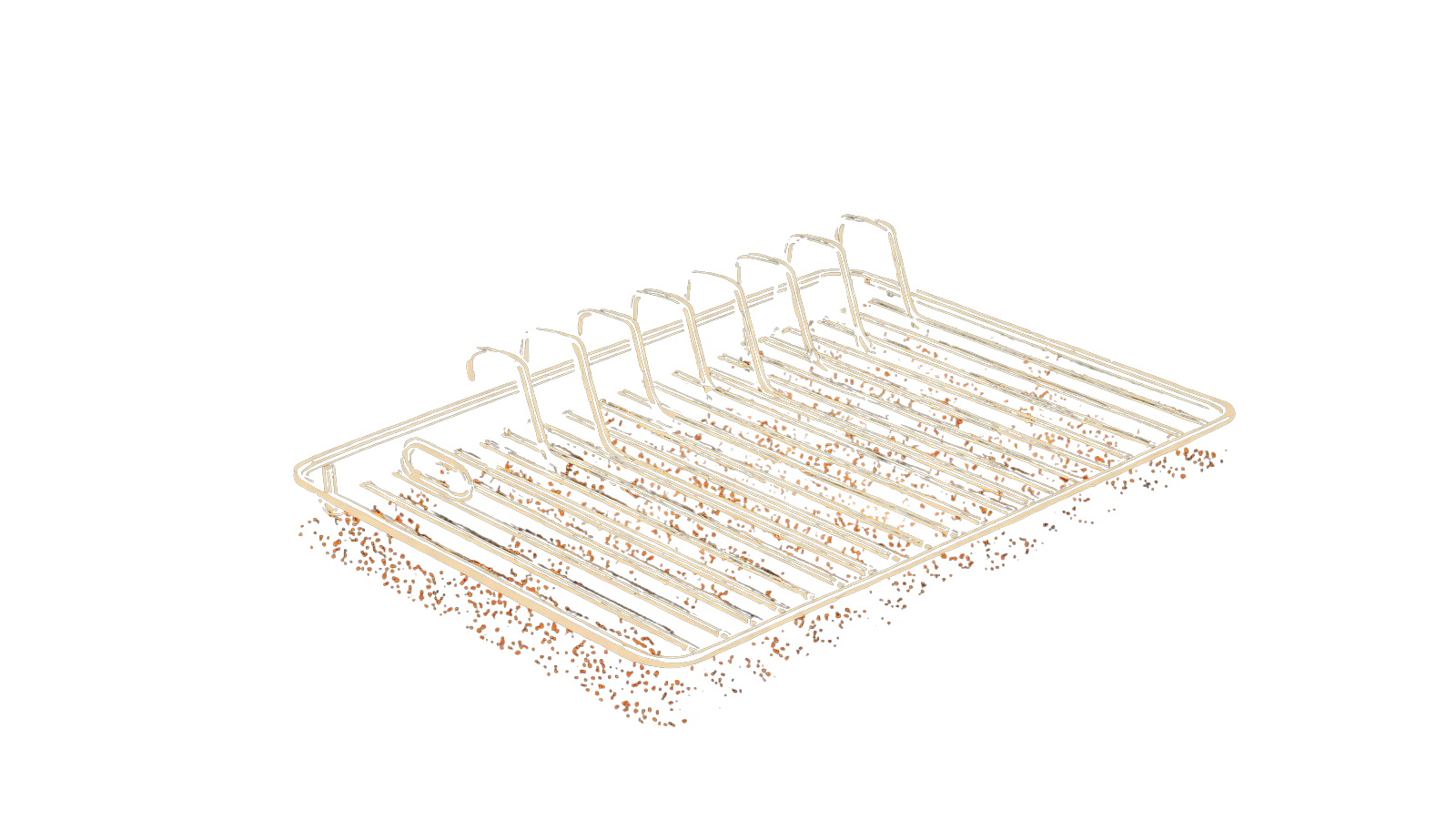
Rib Rack
A rib rack is a simple wire frame — usually stainless or chromed steel — with four to six vertical slots that hold slabs of ribs on edge instead of laid flat. The whole purpose is capacity: a 22-inch kettle or vertical smoker that fits two racks flat fits four or five on edge, which is the cheap fix for feeding a crowd off a small cooker. Standing the ribs up also drains fat as they cook and lets smoke wrap both sides of the slab at once, which is the same logic vertical drum smokers use when they hang ribs from hooks. It's a $20–$40 accessory with one job, no moving parts, and one thing to get right: the slot spacing needs enough air between slabs that smoke and heat can actually circulate. Cheap racks pack the slots too tight and the ribs touch — at which point you've just turned five slabs into one block of meat that won't cook through.
- Material
- Stainless or chrome-plated steel wire
- Capacity
- Typically 4–6 slabs on edge
- Price
- ~$20–40 for a Weber-style rack
- Best at
- Multiplying small-grill capacity for a crowd
- Compatible cookers
- Kettles, drum smokers, WSM-style verticals, kamados
What it is
A rib rack is a small stainless or chrome-plated wire frame with a row of vertical slots, designed to hold racks of ribs upright on edge rather than laid flat across the grate. Most home racks have four to six slots and sit directly on the cooking grate; round versions (sometimes called rib rings) follow the curve of a kettle or a vertical smoker's grate. It's a single-purpose accessory — no moving parts, nothing to fail — and the cheapest of them collapse flat for storage.
The point of the thing is footprint. Laid flat, a 22-inch kettle fits maybe two racks of spare ribs; a Weber Smokey Mountain fits two or three per grate. Stand the same slabs on edge in a rack and a kettle takes four or five — the difference between cooking for your household and cooking for a backyard full of people on the same rig.
How it works
The mechanism is geometry. A flat slab of ribs occupies a big rectangle of grate; stood up on its long edge, that rectangle collapses to a narrow strip the thickness of the meat. Five strips fit where two rectangles did, and the vertical orientation does two other useful things on its own. Fat renders and drains downward instead of pooling on the bone side of the slab, and smoke wraps both faces of every rack at once instead of only the top. That's the same capacity-and-airflow logic vertical drum smokers use when they hang ribs from a hook ring — the rack is the kettle and WSM equivalent.
The setup is straightforward. Set the rack on the indirect side of a two-zone fire (or anywhere on a dedicated smoker grate), slide one rack of ribs into each slot meat-side out, and cook low and slow the same way you would flat. Bone-end up keeps loose meat and trimmings from sliding out the bottom as the slabs shorten. A water pan underneath catches the rendering fat and steadies the temperature on long cooks.
Where it falls short
The honest limit is slot spacing. A rib rack only works if there's enough air between the slabs for heat and smoke to move; cheap racks size the slots tight to advertise more capacity, and the ribs end up touching their neighbors. At that point you've built a block of meat — the outside faces cook fine and the inside faces stay pale, undersmoked, and behind on doneness. If your rack packs them close, load every other slot.
A rack also adds a layer above the grate, so on a low-domed cooker (an 18-inch kettle, some kamados) the lid can press the tips of tall slabs and you have to choose between trimming or running with the lid slightly ajar. Trimmed to St. Louis cut, ribs sit lower and clear the lid; whole spares with the brisket flap on often don't. And chrome-plated wire racks rust over time once the plating chips off in the dishwasher — stainless costs a little more and lasts indefinitely, which on a $30 accessory is the obvious upgrade.
Finally, it's a one-job tool. If you cook for two people most weekends, a rib rack lives in the cabinet unused. The case for it is sharpest when you're feeding a crowd off a small cooker and don't want to buy a bigger smoker for the three times a year you need the room.
What goes wrong.
Packing the slots too tight
If the slabs touch each other in the rack, the inside faces don't get heat or smoke and finish hours behind the outside ones. Leave a finger-width of air between slabs — on cheap close-spaced racks, that often means using every other slot.
Loading bone-side down
As ribs cook they shrink and the meat pulls back from the bone. Loaded bone-side down, loose ends slide out the bottom of the slot and onto the coals. Load bone-side up so the slab hangs by its sturdy spine end and trimmings stay where they should.
Skipping a drip pan
Standing ribs render fat straight down, and on a kettle or a drum that fat lands on hot coals and flares. Set a foil pan under the rack on the indirect side — it catches the drippings, steadies the cook with a little thermal mass, and saves the cleanup.
Forcing tall slabs under a low lid
Whole spare ribs in a rack stand 6–7 inches above the grate. On a low-domed cooker the lid presses the tips and scorches them. Either trim to St. Louis cut so the slabs sit shorter, or move to a taller cooker — don't run with the lid ajar and lose your convection.
Buying chrome and dishwashing it
Chrome-plated racks chip when scrubbed in a dishwasher; once the plating goes, the wire underneath rusts fast. Hand-wash, or just spend the extra $10–15 on a stainless rack and stop thinking about it.
What each of them says.
3 of the people we trust have covered this. Read or watch each in their own words.
- 01
 Meathead GoldwynAmazingRibs.com
Meathead gives the Weber rib rack a 5-star Platinum rating and frames it as the cheap fix for kettle and Weber Smokey Mountain capacity — fit five slabs on a small grill instead of two flat. He emphasizes that a good rack holds slabs upright with enough airspace between them for airflow and smoke penetration; cheap racks fail because they pack the meat too close to cook properly.
- 02
 Steven RaichlenBarbecueBible.com
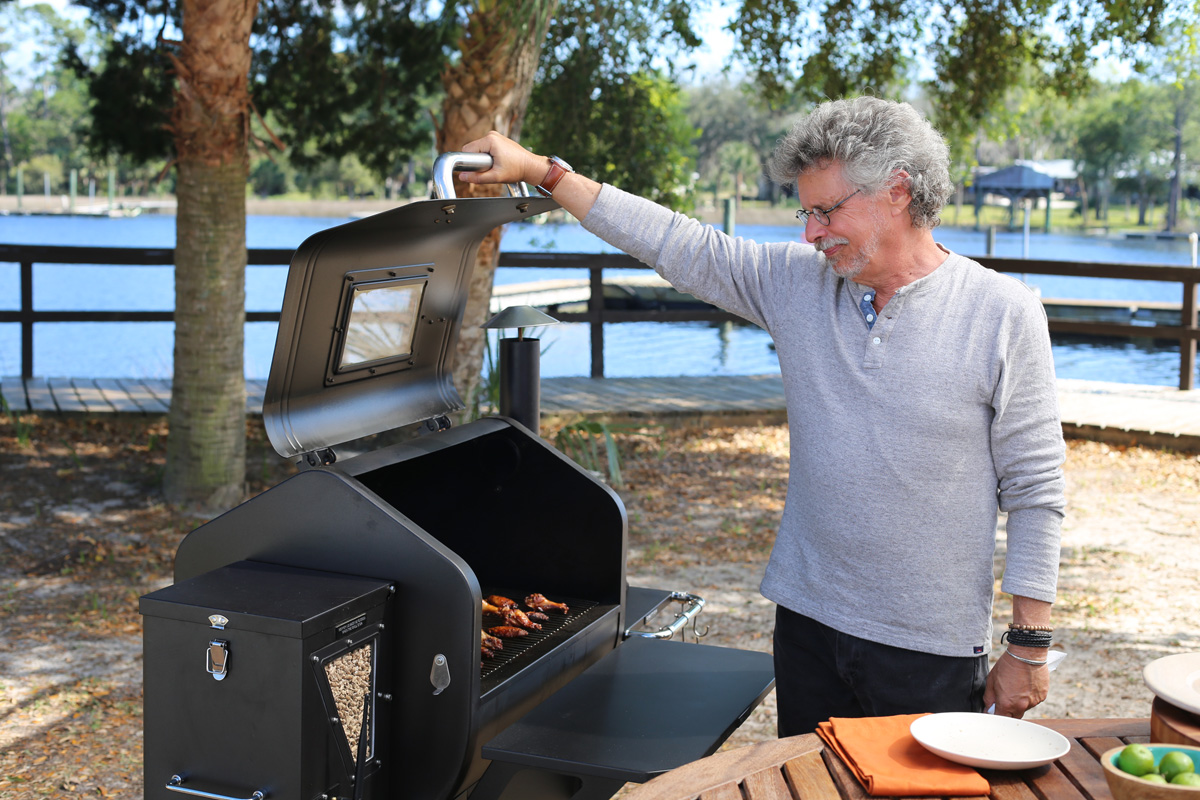
Raichlen calls the rib rack a “rib condominium” — a vertical-slot frame that doubles grill capacity by standing slabs on edge. Beyond capacity, the upright orientation drains fat as the ribs cook. He treats it as essential gear: don't fire up your grill or smoker without it when feeding a crowd.
- 03
 Malcom ReedHowToBBQRight / YouTube
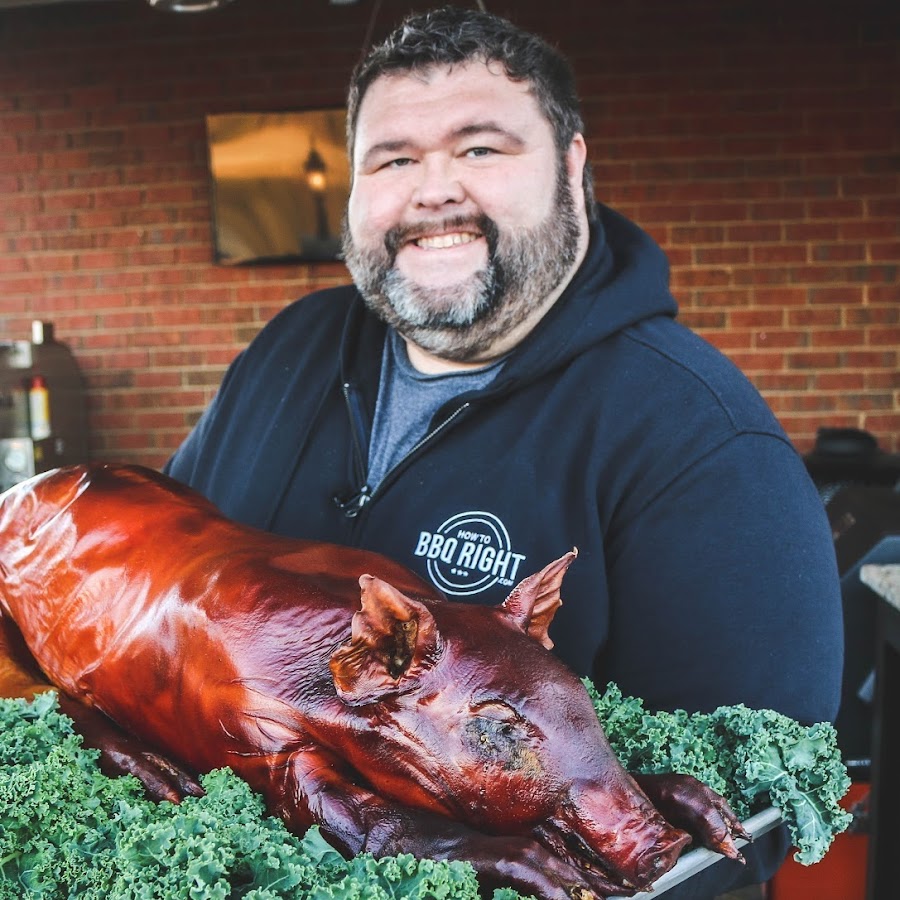
Malcom Reed's vertical-orientation playbook on a drum smoker — same capacity-multiplier logic as a rib rack, executed by hanging from a hook ring instead of standing in slots. Useful context for understanding why upright cooking works (fat drains, smoke wraps both sides) and when to reach for a rack vs. a hanger.
Cook it. Save the record.
Every cook gets a permanent entry — cut, fuel, temp, time, photo, what worked. Next time you want to nail that exact crust, you'll have the receipt.