
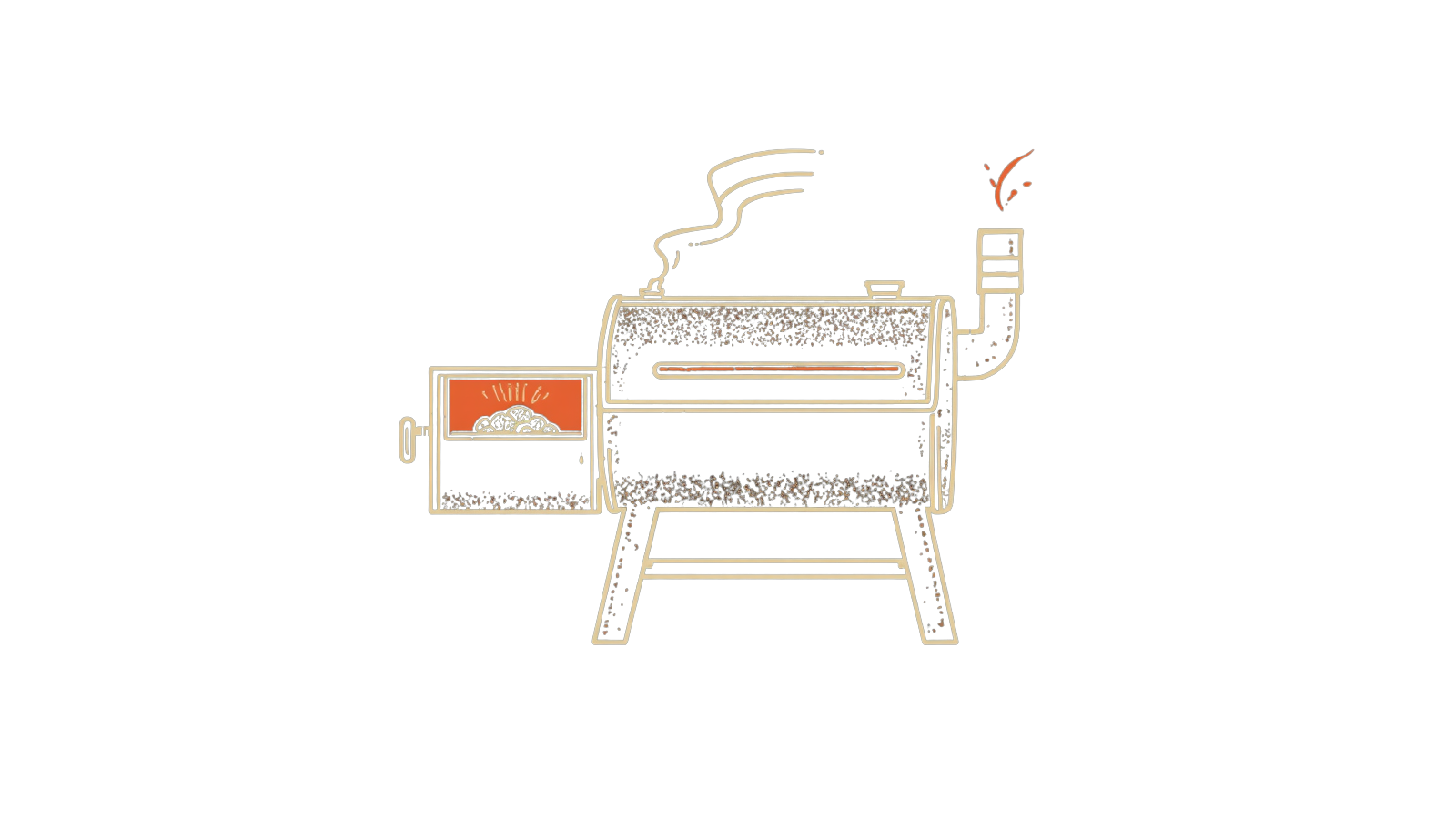
Low and Slow
Low and slow is the defining method of American barbecue: cooking large, tough cuts at low pit temperatures — usually 225–275°F — for many hours, over indirect heat and wood smoke. The low temperature is the whole point. Tough cuts like brisket, pork shoulder, and ribs are full of collagen, the connective tissue that only melts into gelatin with long, gentle time at heat; rush them hot and the proteins seize and the meat turns to a jawbreaker. Held low, the same cuts render fat, break down that collagen, and take on smoke — finishing well past “done” (around 200–205°F) but eating tender and juicy. The tradeoff is time: a pork butt runs 8+ hours, a brisket longer, with a stall in the middle where the temperature stops climbing for hours and a bark forming the whole way. Its high-heat counterpart, hot and fast, trades some of that rendering for speed — but low and slow remains the standard for getting tough cuts truly tender.
- Temp
- 225–275°F (225°F is the classic baseline)
- Heat
- Indirect — meat away from the fire, lid down
- Fuel
- Charcoal or wood; chunks for smoke
- Time
- Hours — pork butt 8+, brisket 10–16
- Finish temp
- ~200–205°F for tough cuts (probe-tender)
- Best for
- Brisket, pork shoulder, ribs — collagen-rich cuts
Before you cook.
- Equipment
- A smoker or grill set up for indirect heat that holds 225–275°F, wood chunks, and a leave-in probe plus an instant-read thermometer.
- Fuel & smoke
- Build a small, steady fire — charcoal or wood — and add wood chunks (oak, hickory, pecan) for smoke. Milder woods like apple and pecan are forgiving for beginners.
- Season ahead
- Dry brine or rub the night before. A simple salt-and-pepper rub is the traditional Texas-brisket approach.
- Plan the time
- Budget far more time than you think, plus a rest buffer. Stalls are unpredictable — cook to temp and feel, not the clock.
What to cook with it.
Other ways to do it.
Offset smoker (the Texas way)
A wood-fired offset firebox is the traditional low-and-slow rig — purest smoke flavor, but it demands tending the fire every 30–45 minutes.
Bullet & kamado smokers
Water smokers (like the WSM) and kamados (Big Green Egg) hold low temps for hours with little babysitting — the easiest path to steady low and slow.
Kettle conversions
A standard kettle can run low and slow with a snake of charcoal or a banked two-zone fire — no dedicated smoker required.
Pellet smokers
Set-and-forget temperature control runs low and slow on autopilot — less hands-on, with a bit less smoke than a stick burner.
What goes wrong.
Pit ran too hot
Creeping up past 300°F rushes the cook and can toughen or dry the exterior before the inside renders. Manage the fire and vents to hold 225–275°F.
Pulled by temperature alone
Tough cuts finish on feel — probe-tender, around 200–205°F — not a single number. A brisket at 203°F that still feels firm isn't done; give it time.
Panicked at the stall
The stall — hours where the temp flatlines from evaporative cooling — is normal, not a stuck cook. Wait it out, or wrap to push through.
Opened the lid constantly
Every peek drops the temp and adds time. Use a leave-in probe and trust it — if you're lookin', you ain't cookin'.
Used a lean, tender cut
Low and slow dries out lean cuts (loin, tenderloin, chicken breast) that have no collagen to render. It's a method for tough, fatty cuts — match the cut to the technique.
What each of them says.
4 of the people we trust have covered this. Read or watch each in their own words.
- 01
 Meathead GoldwynAmazingRibs.com
Cook tough cuts low and slow at 225°F — it liquefies the collagen in connective tissue and melts fat without knotting the proteins into a bunch. These cuts are taken well past 'well done,' up around 203°F, specifically to melt the connective tissue that makes them tough. Hot and fast does the opposite to thick meat: water is a good insulator, so high heat carbonizes the outside before the inside is done, turning a brisket into a jawbreaker.
- 02
 Steven RaichlenBarbecue Bible
True American barbecue is cooked over indirect heat, low and slow — typically 250–275°F, six to eight hours for a pork shoulder and longer for brisket. Set the grill up for indirect grilling, use only about half the usual charcoal, and add wood chunks to the embers for smoke. It's the opposite of grilling's immediacy — closer to watching paint dry — and that patience is the whole point.
- 03
 Susie BullochHey Grill, Hey
Hold a low, steady temperature — ideally 200–250°F, 275°F at the most — with the meat over indirect heat so smoke circulates and cooks it slowly and evenly. Apple and pecan are forgiving woods for beginners. Big cuts can run up to 18 hours, so plan ahead, and resist opening the lid — every peek lets out heat and smoke and stretches the cook.
- 04
 Aaron FranklinBBQ with Franklin / PBS
Aaron Franklin — the James Beard–winning standard-bearer of Texas low-and-slow — walks a full brisket cook start to finish, from fire management to the finished slice.
Cook it. Save the record.
Every cook gets a permanent entry — cut, fuel, temp, time, photo, what worked. Next time you want to nail that exact crust, you'll have the receipt.