
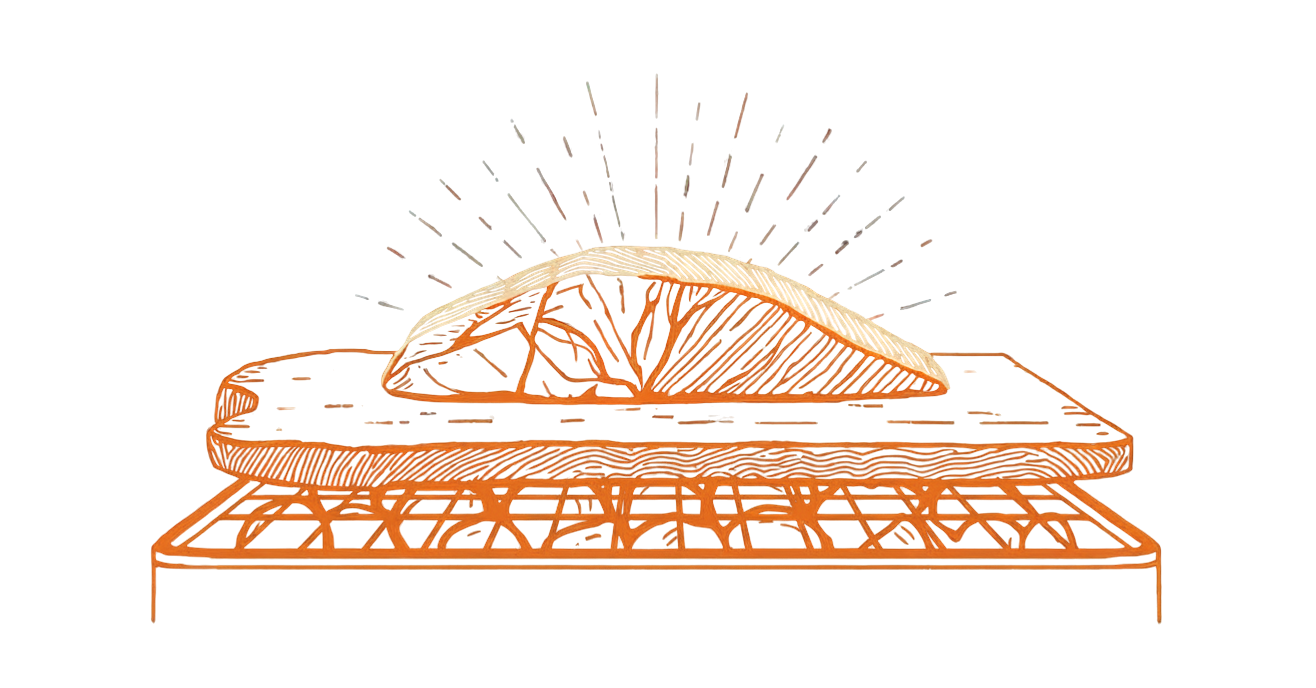
Plank Grilling
Plank grilling cooks food on a thin slab of wood — usually cedar, sometimes alder or maple — laid over the fire, most famously for salmon. You soak the plank, set it over the cooler side of a two-zone fire with the lid down, and the smoldering wood releases a soft, resinous aroma while the board shields the fish from direct flame — keeping a delicate fillet moist and in one piece. It's a centuries-old Pacific Northwest Indigenous method, modernized for the backyard grill; Raichlen is among its leading contemporary champions. Worth the honest tradeoff up front: a plank steams and gently scents more than it smokes, so don't expect a hard Maillard crust or deep smoke color — the payoff is moist, subtly scented fish and a striking board-to-table presentation. Cedar is the default for its spicy, wine-like note, but the technique works on anything delicate, from fish to brie to vegetables.
- Plank
- Untreated cedar (or alder/maple), ~½" thick, soaked 1+ hr
- Heat
- Medium / indirect, ~350–400°F, lid down
- Time
- 15–25 min for a salmon fillet, until it flakes
- Pull at
- 135–140°F — fish keeps cooking off the heat
- Flavor
- Mild, resinous wood aroma — subtle, not heavy smoke
- Signature dish
- Cedar plank salmon
Before you cook.
- Equipment
- An untreated grilling plank (cedar most common — never construction lumber, which is chemically treated), a spray bottle for flare-ups, and an instant-read thermometer.
- Soak
- Submerge the plank in water (or wine/cider) at least 1 hour, weighted down so it stays under. A dry plank catches fire instead of smoldering.
- Preheat the plank
- Set the soaked plank over the heat 3–5 min until it crackles and lightly smokes, then flip it and lay the fish on the charred side.
- Season
- Keep it simple — salt, a glaze, or herb butter. The plank brings the aroma; the seasoning shouldn't fight it.
What to cook with it.
Other ways to do it.
Different woods
Cedar is the default (spicy, wine-like), but alder is milder and traditional for salmon, while maple and cherry lean sweeter. Match the wood's intensity to the food.
Soak in wine or cider
Swap the soaking water for white wine, cider, or beer to layer a faint extra aroma into the steam as the plank smolders.
Plank, then sear
For more browning than a plank gives, finish the fillet skin-side-down directly on the grate for a minute — adds a little Maillard color the gentle plank cook won't.
Beyond fish
Plank a wheel of brie, chicken breasts, or vegetables — anything delicate that benefits from indirect heat and a whisper of wood.
What goes wrong.
Plank caught fire
A dry or under-soaked plank flames instead of smoldering. Soak at least an hour, keep a spray bottle handy, and slide the plank to a cooler zone if it flares.
Treated-lumber danger
Only ever use untreated grilling planks. Construction cedar and hardware-store boards are chemically treated and toxic when burned — never improvise with random wood.
Expecting heavy smoke
Planking is subtle by nature — most of the aroma lands on the edges, and it's closer to steaming than smoking. For deep smoke, add a wood chunk to the coals or use a smoker.
Overcooked fish
Delicate fillets go from moist to dry fast. Pull salmon at 135–140°F — it keeps cooking off the heat — and don't rely on time alone.
Fish stuck to the plank
Char the plank before the fish goes on and oil the board lightly; the seared surface releases far more cleanly than a raw one.
What each of them says.
4 of the people we trust have covered this. Read or watch each in their own words.
- 01
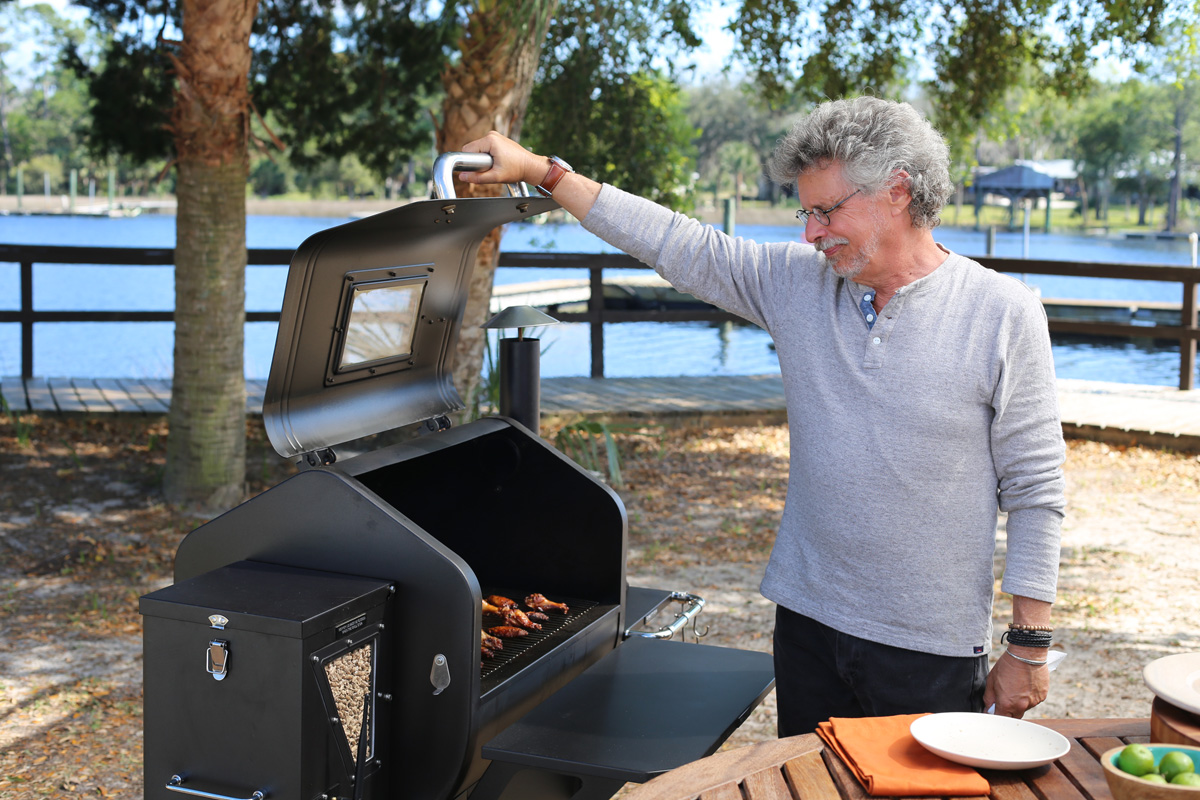 Steven RaichlenBarbecue Bible
A grilling plank runs about 12–14" long, 6–8" wide, and ½–¾" thick; cedar and alder are the common woods. Cedar imparts a spicy, wine-like flavor, keeps the fish from drying out or sticking, and absorbs strong fishy notes. Set the planked fish away from the heat in the center of the grill, cover, and cook 20–30 minutes until done and any glaze turns golden.
- 02
 Meathead GoldwynAmazingRibs.com
Planking descends from a Pacific Northwest Indigenous method for cooking salmon. Despite the marketing, very little smoke flavor actually reaches the meat — most of it lands only on the edges — so some argue it's really a steaming method, not a smoking one. Its best feature is presentation: a board of ruddy salmon with juices running down, carried to the table, looks spectacular.
- 03
 Susie BullochHey Grill, Hey
Preheat the grill to 400°F and cook the planked fillet 15–20 minutes (up to 25), finishing with a lemon-zest-and-chive butter just before it comes off. Cedar lends a subtle smoked flavor without overpowering the fish, and the plank cooks it evenly for a tender, moist result — a near-effortless dinner with only a couple of minutes of prep.
- 04
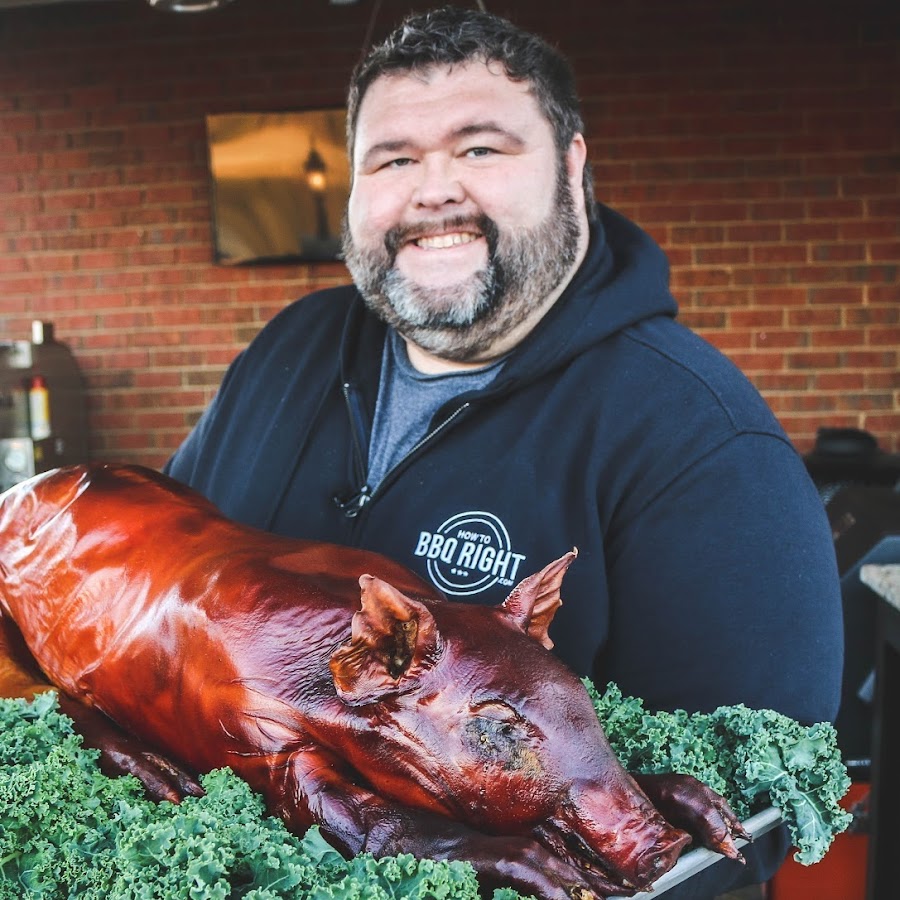 Malcom ReedHowToBBQRight / YouTube
Malcom soaks cedar planks, seasons the fillets, and grills them with a honey-balsamic glaze on the Big Green Egg — a backyard take on the classic plank cook.
Cook it. Save the record.
Every cook gets a permanent entry — cut, fuel, temp, time, photo, what worked. Next time you want to nail that exact crust, you'll have the receipt.