
Electric
Electric smokers heat a sealed chamber with a resistance element (like an oven coil) governed by a digital thermostat that holds the set temperature to within a few degrees. A handful of wood chips placed on or near the element smolders to provide smoke flavor. Of the five mainstream fuel types, electric is the most apartment- and condo-friendly — no open flame, no fuel storage, no combustion gases — but it produces the thinnest smoke flavor and tops out around 275-300°F, so it cannot sear and cannot match the flavor depth of charcoal. Masterbuilt is the dominant backyard brand; Bradley is the wood-puck variant. Best on fish, sausage, nuts, bacon, and cheese, where light smoke is a feature, not a flaw.
- Source
- Grid electricity — resistance heating element in a sealed chamber
- Forms
- Cabinet-style smokers (Masterbuilt) · Wood-puck feeders (Bradley)
- Price
- $200-500 entry · $500-1,200 premium / commercial
- Temp range
- 100-300°F (no searing capability)
- Best at
- Fish, sausage, nuts, bacon, cheese, jerky — anything that benefits from light smoke and precise temp
- First popularized
- Masterbuilt digital electric smokehouse — 2000s backyard adoption
What it is
An electric smoker is an insulated cabinet with a resistance heating element at the base, a small wood chip tray that sits on or beside the element, and a digital thermostat that cycles the element on and off to hold a set chamber temperature. The element looks and works like the coil in an electric oven or a hot plate. Wood chips placed in the tray smolder from the radiant heat and feed thin smoke into the chamber for the duration of the cook.
Masterbuilt is the dominant backyard brand — the digital Masterbuilt cabinet (often referred to as the MES) defined the category and is the unit most cooks picture when they hear “ electric smoker.” Sealed door, digital control panel, side-loading chip drawer, sometimes a remote or Bluetooth controller. Cookshack, Smokin-It, and Smoke Hollow build sturdier commercial-leaning variants for jerky shops and small caterers.
Bradley is a notable variant — instead of loose wood chips, it feeds compressed wood-sawdust pucks (“bisquettes”) onto a small burner plate on a timer. Each puck smolders for about 20 minutes, then the next one auto-advances. The result is more consistent smoke production than a chip tray that flares and dies, at the cost of proprietary fuel.
How the heat moves
An electric smoker heats by radiation and convection from a resistance element — not combustion. Current flowing through a high-resistance metal coil heats the coil red-hot; the hot coil radiates heat into the chamber and warms the air around it, which rises and circulates. A thermostat compares the chamber temperature against the set point and cycles the element on and off to hold the target, the same way a household oven does.
The trade-off baked into that mechanism: a glowing metal rod cannot produce the combustion gases — nitrogen dioxide, volatile aromatic compounds — that charcoal, wood, pellet, and gas all generate as they burn. That’s why electric smokers leave no smoke ring and produce thinner smoke flavor than any other fuel. The smoke comes entirely from the smoldering chips, and the chips smolder cooler in an electric box than they do over live coals.
For temperature control, the upside is enormous: set 225°F, walk away. The thermostat holds the chamber within a few degrees for as long as the unit has power — no airflow management, no refuel, no babysitting. For ceiling temperature, the downside is hard: most consumer electric smokers cap at 275-300°F, which is enough for low-and-slow smoking but not for searing or high-heat roasting.
Setting it up
Electric smokers don’t have layouts the way a charcoal cooker does — there’s no fire to position. The variables are format and chip strategy:
Chip tray (Masterbuilt-style)
Load a small handful of dry wood chips into the side-loading tray every 30-45 minutes. Don’t overfill — too many chips smother and produce bitter creosote rather than clean smoke. Pre-soak is contested; most experienced electric cooks run dry chips and trust the chamber to keep them smoldering.
Bisquette feeder (Bradley)
Load the magazine with compressed wood-sawdust pucks and set the timer. The unit auto-advances a new puck onto the burner every 20 minutes, producing more even smoke than a chip tray that flares and dies. Trade-off: proprietary fuel that costs more per cook.
Cold smoking attachment
Most electric units accept a cold-smoke generator — an external smoldering box that pipes smoke into the chamber while the main element stays off. Holds the cabinet below 90°F for cheese, salt, nuts, and cured fish, which need smoke without cooking.
Because the smoke is thin, wood choice matters more on electric than on charcoal. Use the species that matches your protein: hickory for bacon and pork, alder or apple for fish, fruit woods for poultry. Don’t pair mesquite or heavy post oak chunks with delicate fish — even on electric, the wood will dominate.
Where it earns its keep
Electric smokers shine on the cooks where precision matters more than firepower and where light smoke is the goal, not the limit:
Fish and seafood
Salmon, trout, mackerel, shellfish — delicate proteins that need 180-225°F and would be overwhelmed by heavy smoke. Electric’s thin smoke and dead-flat temperature hold are exactly what these cooks ask for.
Sausage, bacon, jerky
Cured-and-smoked products that depend on holding a specific low temperature for hours — 140-180°F for snack sticks and jerky, 180-200°F for smoked sausage. Electric holds the target without thinking about it.
Cheese and nuts
With a cold-smoke attachment, electric is the easiest path to smoked cheddar, gouda, almonds, and pecans. Sub-90°F chamber temperature is effectively unreachable on a charcoal or pellet rig without elaborate workarounds.
Apartment and condo cooking
No open flame means electric smokers are often the only legal option on a balcony or in shared housing. Indoor-rated cold-smoke generators expand the use case even further.
Where it falls short
The same mechanism that makes electric easy is what caps its ceiling. The honest limits:
Thin smoke flavor
A resistance element produces no combustion gases. Smoke comes only from smoldering chips, and chips smolder cooler in an electric box than over live coals. The result is the lightest smoke flavor of any mainstream fuel, and no smoke ring.
No searing capability
Most consumer electric smokers cap at 275-300°F. That covers smoking but not searing, high-heat roasting, or any cook that needs a hard Maillard reaction crust. Brisket and pork shoulder come out tender but pale.
Outlet dependency
Needs a grounded outdoor outlet within reach. Power outages end the cook. No off-grid, no tailgating, no remote campsite use the way charcoal or pellet (with a battery) can do.
Cold-weather struggle
Thin cabinet insulation and a modest element mean many consumer units struggle to hold 225°F when ambient drops below 40°F. Wrap blankets help; serious winter cooking is a stretch.
Build quality at the entry price
Sub-$300 cabinets often use thin sheet metal, loose-fitting doors, and electronics that fail within a few seasons. Step up to Cookshack or Smokin-It for builds that last a decade.
What goes wrong.
Overfilling the chip tray
Stuffing the tray with chips smothers the wood, producing bitter white creosote smoke instead of clean blue smoke. A small handful at a time, refilled every 30-45 minutes, is the right rhythm.
Expecting a smoke ring
Electric smokers produce no nitrogen-dioxide combustion gases, so the pink ring that forms on charcoal- or wood-smoked brisket simply will not appear. The meat can still be tender and well-flavored — just don’t chase a visual marker the mechanism cannot create.
Trying to sear or crust
With a ceiling around 300°F, electric smokers can’t produce the surface temperatures needed for a hard bark or sear. Pair the smoker with a gas grill or a hot pan to finish proteins that need a crust.
Smoking lean cuts dry
Because the chamber holds a precise low temperature for hours, lean cuts (pork loin, chicken breast, whitefish) can dry out before they pick up enough smoke flavor. Brine first, pull at the lower end of the doneness window, or wrap with the Texas crutch mid-cook.
Leaving it in heavy rain or snow
Most consumer electric smokers are not rated for sustained wet weather — water at the element or the control board is a real risk. Cover, move under an awning, or pause the cook. Charcoal and wood handle weather better than electric does.
What each of them says.
2 of the people we trust have covered this. Read or watch each in their own words.
- 01
 Meathead GoldwynAmazingRibs
Goldwyn frames electric smokers as the set-and-forget entry point — a resistance coil holds temperature precisely while a few ounces of wood chips smolder above it for smoke. He is direct that the heat from a glowing metal rod cannot produce the combustion gases of charcoal, gas, or pellet, so the flavor is thinner and there is no smoke ring; electrics earn their place for apartment dwellers and shine on fish, sausage, nuts, bacon, and cheese rather than brisket or pulled pork.
- 02
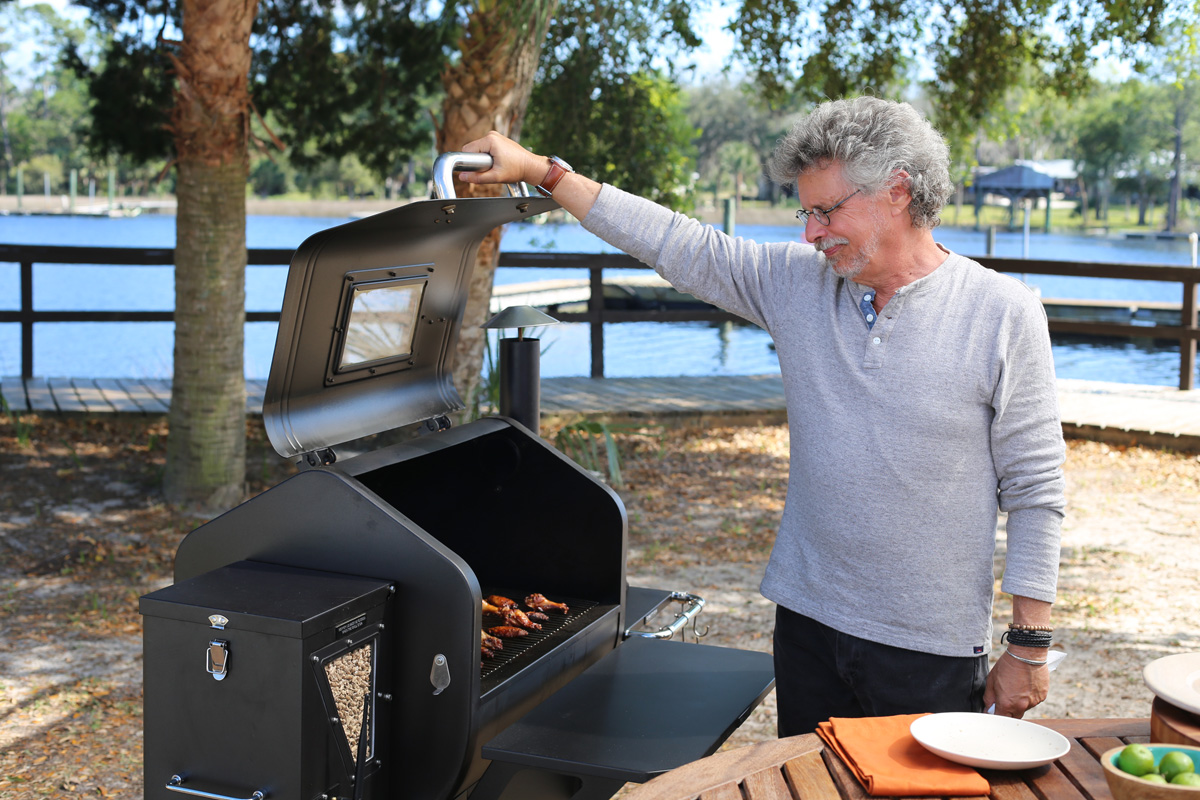 Steven RaichlenBarbecue Bible
Raichlen treats the electric smoker as a legitimate tool in the modern smoking toolkit, featuring the Bradley digital electric across multiple Project Smoke seasons. His pitch is precision over fuss — a thermostatic element holds the chamber temperature to the degree while wood-sawdust bisquettes feed steady smoke, freeing the cook to plate everything from chile rellenos to chicken drumsticks to chocolate bread pudding without babysitting a fire.
Cook it. Save the record.
Every cook gets a permanent entry — cut, fuel, temp, time, photo, what worked. Next time you want to nail that exact crust, you'll have the receipt.