
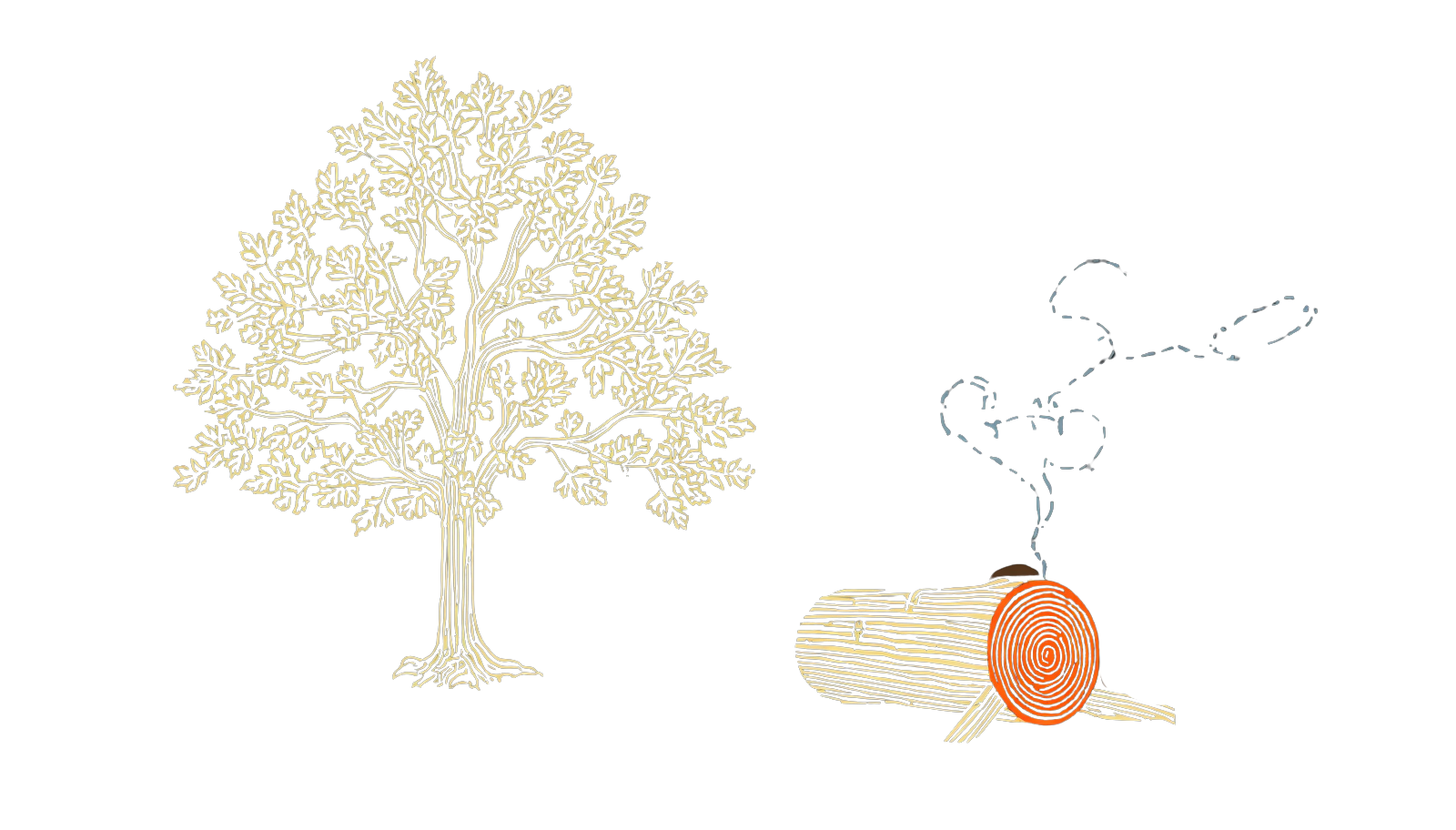
Maple
Sugar maple (Acer saccharum) is the gentle, sweet end of the BBQ wood spectrum. Native to the upper Midwest, New England, and eastern Canada — the same forests that produce maple syrup — it burns clean and hot, throws excellent embers, and leaves a soft, sugar-leaning smoke that flatters pork belly, poultry, and any cook where a milder wood is the right tool. It’s the canonical wood for homemade bacon, the third leg of the apple-hickory-maple bacon trinity. Among the five mainstream fuel types, wood lives in its own category — and among wood species, maple sits in the mild zone alongside fruit woods: subtler than hickory, less assertive than post oak, a reach-for wood when you want presence without dominance.
- Genus
- Acer (sugar maple, red maple, silver maple)
- Origin
- NE US, upper Midwest, eastern Canada
- Smoke intensity
- Mild — gentle, sugar-forward
- Flavor notes
- Sweet, mild, subtly maple-syrup adjacent
- Pairs with
- Bacon (canonical), poultry, pork belly, cheese
- Burn rate
- Fast-medium, hot, excellent ember quality
What it is
Maple is a hardwood genus (Acer) of roughly 130 species, but for BBQ purposes the wood that matters is Acer saccharum — sugar maple — the same tree tapped for maple syrup across New England, Quebec, and the upper Midwest. Red maple (Acer rubrum) and silver maple (Acer saccharinum) are also used and burn similarly; sugar maple is the densest and the one most commercial “maple” smoking wood comes from.
The tree’s native range traces the northern forest line of eastern North America — the Adirondacks, the Green and White Mountains, Quebec and Ontario, the Lake States. That geographic anchor matters: maple is the smoke of the northern backyard the way hickory is the smoke of the Mid-South. Where the southern BBQ tradition built itself on what grew in Appalachia, the northern home-smoking and bacon-curing traditions built themselves on what grew in the sugar-maple belt.
The sugar in the tree shows up in the smoke. Maple is high-energy, clean-burning, and throws strong embers — the technical fingerprint of a wood with usable sugar content cooking off through the flame. It’s the same chemistry that makes maple a top firewood across the northeast: dense, hot, efficient.
Flavor profile
Maple’s signature is its mild, sweet smoke — softer than oak, gentler than hickory, with a faint sugar-forward note that registers as “clean smoke with a hint of sweetness” rather than anything explicitly syrup-flavored. The sweetness is structural, not literal: the smoke doesn’t taste like maple syrup, but it carries the same gentle, rounded character that makes maple-cured anything (bacon, ham, salmon) read as warm and comforting on the palate.
In Meathead’s comparative wood table, maple registers as mild smoke intensity, high energy output, and excellent ember quality — the chemistry of a clean-combusting hardwood that produces less of the heavy phenol load that makes hickory taste like bacon and more of the lighter compounds that let the meat’s own flavor lead. Maple supports rather than dominates.
The defining tension with maple: it’s easy to under-smoke with. Backyard cooks used to hickory or oak often add maple in the same quantity and wonder where the smoke went. Maple wants longer exposure, more wood, or a blend — it’s a backbone wood for mild flavor, not a statement wood for short cooks.
Pairing
Maple is the bacon wood and the poultry wood. It thrives wherever the goal is sweet, clean smoke that lets a cure or a delicate protein speak — and falls flat on red meat where you actually want the smoke to push back.
| Meat | Fit | Why |
|---|---|---|
| Bacon (cured pork belly) | Canonical | The defining pair. Real maple bacon is what this wood was made for. |
| Whole chicken | Canonical | Mild smoke flatters chicken; doesn’t overpower the skin. |
| Turkey | Strong fit | Sweet smoke pairs cleanly with brined turkey; a Thanksgiving classic. |
| Pork shoulder / loin | Strong fit | Works well; often blended with hickory for more backbone. |
| Cheese (cold smoke) | Strong fit | Mild sweetness ideal for cheddar, gouda, brie at low temp. |
| Pork ribs | Good | Lean side of ribs; many pitmasters layer maple with hickory or apple. |
| Salmon | Workable | Gentler than hickory; alder remains the Pacific Northwest standard. |
| Beef brisket | Mismatch | Too mild for brisket’s mass; reach for post oak or hickory. |
How to use
Maple shows up in three formats. Because the smoke is mild, the failure mode runs opposite to hickory — too little wood, not too much. Lean into longer exposure or a bigger pile.
Chunks
For kettles, kamados, and vertical smokers — the most common home use. 3-5 fist-sized chunks per cook is the sweet spot; maple’s milder smoke means you can use more than you would with hickory without tipping bitter. Add chunks at the start of the cook so smoke hits the cold meat while it’s most receptive.
Splits
For offset smokers. Sugar maple is dense and seasons cleanly — splits run roughly 16 inches long, 3-4 inches across, seasoned 6-12 months. Maple burns hot and fast, so add a split every 25-35 minutes, faster than oak or hickory. Less common in southern stickburner tradition but a regional default across the northeast.
Pellets
100% maple pellets are available across major brands (Lumber Jack, Bear Mountain, CookinPellets), but maple shines in blends — bacon-style pellet mixes typically pair maple with apple and hickory, exactly the trio the artisan bacon-makers use on real wood.
Steven Raichlen documents the urban-smokehouse pattern that defines artisan bacon: hickory for backbone, apple and maple for sweetness. Maple alone produces a gentle, sugar-leaning bacon; the three-wood blend gives you the savory base most commercial bacon-eaters expect with the rounded sweetness only maple brings. Worth trying both before settling on a house style.
Compared to other species
Maple lives in the mild zone of the wood-strength spectrum, alongside the fruit woods. Useful contrasts:
| vs Species | How it compares |
|---|---|
| Hickory | Much stronger and more bacon-aromatic. Hickory pushes hard; maple steps back. The two are genuinely complementary — most artisan bacon recipes layer them together. Reach for hickory when you want smoke to be a flavor; maple when you want it as a gentle round. |
| Post oak | Cleaner-but-stronger Texas brisket wood. Post oak holds long beef cooks without going acrid; maple is wrong for brisket. Where post oak is the backbone for red meat, maple is the backbone for pork belly and poultry. |
| Apple | The other mild-sweet workhorse. Apple is fruity and slightly tart; maple is sugar-sweet and rounder. They’re often paired in bacon blends because the sweetnesses are complementary — apple brings brightness, maple brings depth. |
| Cherry | Mild like maple but with a color contribution (deepens bark mahogany) and a sharper fruit note. Cherry brings the visual; maple brings the sweet backbone. Common to see both used across a single cook. |
Where it falls short
Maple’s mildness is also its limitation. Specific failures:
Brisket and beef ribs
Maple doesn’t carry enough weight against brisket’s mass and fat. The smoke gets lost in the bark and the meat reads under-smoked even after 12 hours. Reach for post oak or hickory; save maple for the pork belly you cook the week before.
Under-smoking on short cooks
A 90-minute chicken cook with one chunk of maple leaves you wondering if the wood did anything. Maple wants quantity or duration; double the chunks you’d use with hickory, or extend the cook with low temps.
Confusing “maple” with the wrong species
Sugar maple is the BBQ benchmark; box-store “maple” bags sometimes contain silver or red maple, which burn faster and contribute less sugar. The flavor difference is real on long cooks. Verify species, especially for bacon work.
Soft maples used green
Maple seasons cleanly when sugar maple, but soft maples (silver, red) hold moisture and produce sour, acrid smoke if rushed. 6-12 months seasoning to below 20% moisture, or kiln-dried, same as any other hardwood. Wet maple is worse than no maple.
What goes wrong.
Using maple on brisket
Maple is too mild to push back against brisket’s mass and fat. After 12-14 hours the meat reads under-smoked and the bark stays flat. For long beef cooks, switch to post oak (the Texas standard) or hickory; reserve maple for the cure-and-cold-smoke work it was built for.
Under-dosing maple on poultry
Cooks used to hickory often add one chunk of maple to a chicken and wonder where the smoke went. Maple’s milder phenol load needs more wood or more time to register. Double the chunks you’d use with hickory, or stretch the cook with low-and-slow temps so the smoke has time to lay in.
Treating all maple as equivalent
Sugar maple is the BBQ benchmark — dense, sweet, slow-seasoning. Silver and red (soft) maples burn faster and contribute less sugar. Generic “maple” bags from box stores sometimes mix species. For bacon and other cure-focused work where the sugar matters, verify the species or buy from a BBQ-specialist supplier.
Skipping the blend on bacon
Maple alone gives you a gentle, rounded bacon — but most eaters expect a savory backbone underneath the sweetness. The Raichlen-documented urban-smokehouse pattern is hickory + apple + maple together: hickory for strength, apple for brightness, maple for sweetness. Cook both ways once before locking in a house style.
Smoking salmon with maple alone
Maple is workable on salmon but not the regional default — alder is the Pacific Northwest standard for a reason (gentler, neutral). Maple can read slightly heavy against cold-smoked salmon and slightly sweet against hot-smoked. Try alder first; reach for maple when the cure already leans sweet.
What each of them says.
5 of the people we trust have covered this. Read or watch each in their own words.
- 01
 Susie BullochHey Grill, Hey
Susie's Best Wood for Smoking guide pegs maple as the mild, sweet wood of the upper-North backyard — her line "maple reminds me of Canada and the north where salmon congregate" frames its flavor identity. She extends the same wood across the bacon recipes that anchor maple's home use, listing it alongside apple and hickory as the canonical bacon-smoking trio.
- 02
 Meathead GoldwynAmazingRibs.com
Meathead's Science of Wood and Smoke is the chemistry-deep reference for how smoke flavor actually works. In his comparative wood table, maple registers as mild smoke intensity, high energy output, and excellent ember quality — the technical fingerprint of a clean-burning, gentle-smoke hardwood. His broader pushback on florid flavor adjectives reframes maple as a workable everyday smoke wood rather than a delicacy.
- 03
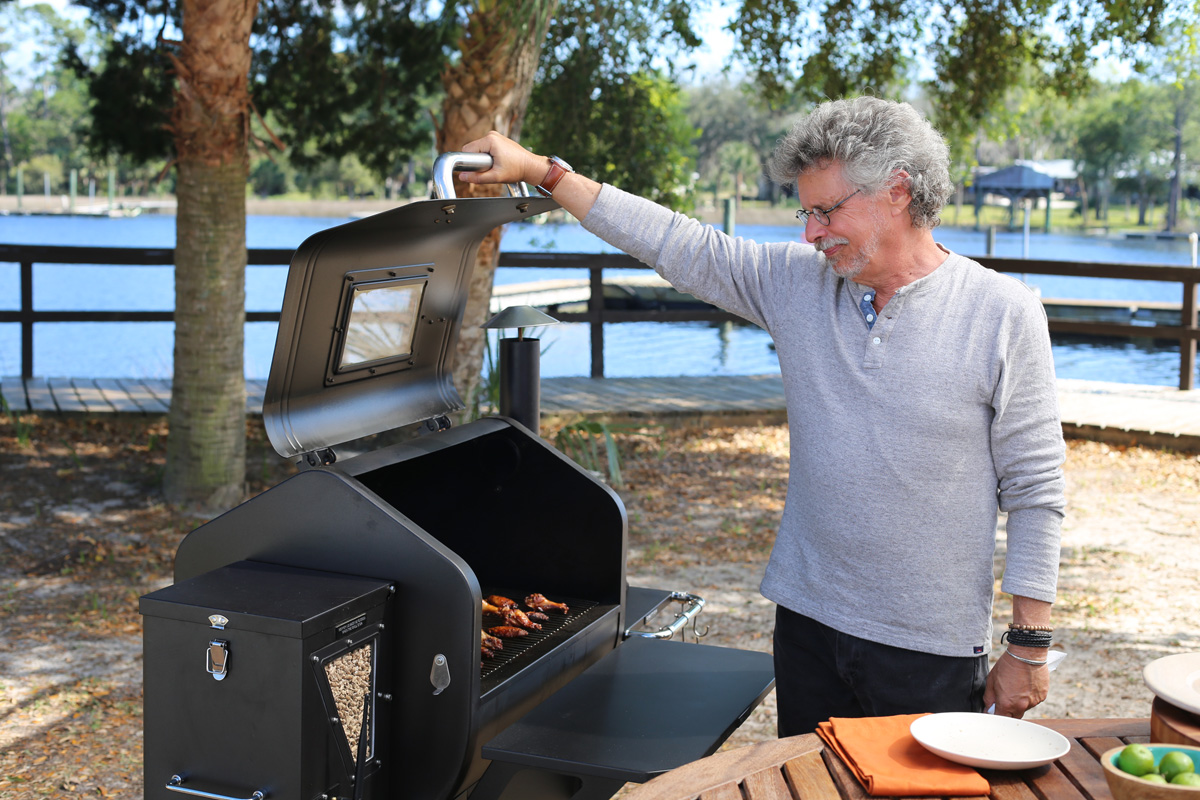 Steven RaichlenBarbecue Bible
Raichlen's How to Make Bacon from Scratch documents the three-wood blend the Miami Smokers urban smokehouse uses — hickory for strength, apple and maple for sweetness. The framing pinpoints maple's working role in commercial bacon production: a sugar-contributing wood layered against a backbone hardwood, not a standalone smoke.
- 04
 Chud's BBQBradley Robinson / YouTube
Bradley Robinson runs a controlled six-wood test (oak, maple, cherry, hickory, apple, mesquite) on identical pork cooks, blind-tasted side by side. The empirical framing isolates exactly where maple lands on the sweet-mild axis against the rest of the common BBQ wood field.
- 05Chud's BBQBradley Robinson / YouTube
Companion beef test — same six-wood lineup including maple, cooked on steak. Useful as a cross-protein check on whether maple's mild-and-sweet signature holds up against beef's stronger fat profile, given that maple is conventionally framed as a pork-and-poultry wood.
Cook it. Save the record.
Every cook gets a permanent entry — cut, fuel, temp, time, photo, what worked. Next time you want to nail that exact crust, you'll have the receipt.