
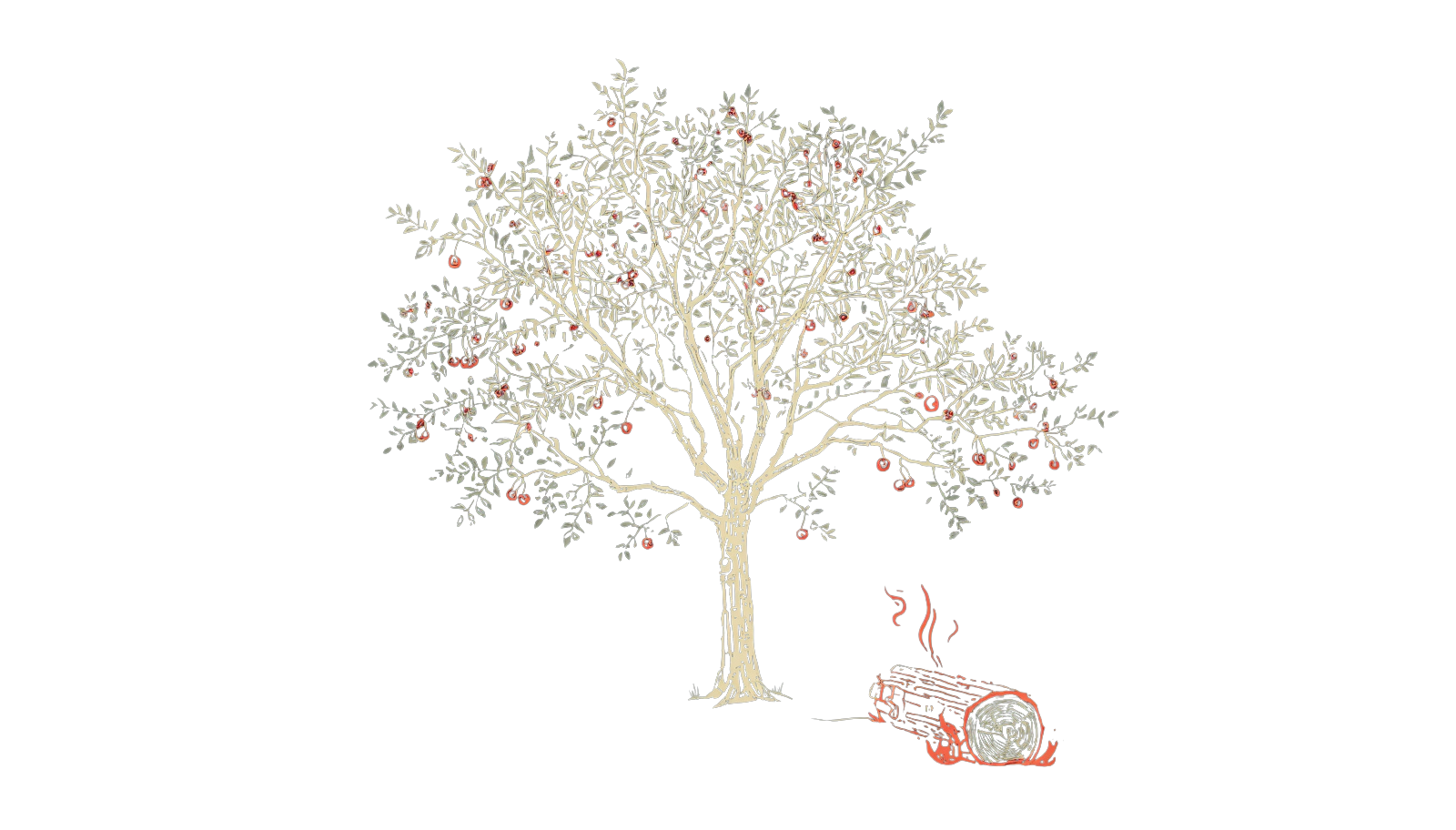
Cherry
Cherry (Prunus serotina, black cherry) is the wood most pitmasters reach for when they want color as much as flavor. Native to the Eastern US and Pacific Northwest, it produces a mild, slightly sweet, fruity smoke and — more distinctively — a deep mahogany finish on bark that no other common species delivers. It’s the canonical blending partner in American BBQ: cherry plus post oak on brisket for color over a Texas backbone, cherry plus hickory on pork to soften the savory edge. Among the five mainstream fuel types, wood is its own category — and among wood species, cherry is the elegant fruit wood: gentle enough to fly solo on chicken and pork, photogenic enough to make every cook look like the magazine shot.
- Genus
- Prunus serotina (black cherry)
- Origin
- Eastern US & Pacific Northwest
- Smoke intensity
- Mild — fruity, gentle
- Flavor notes
- Sweet, slightly fruity, faintly floral
- Pairs with
- Poultry, pork, ribs; oak/hickory on brisket
- Burn rate
- Medium burn, clean coals, low ash
What it is
Cherry is a hardwood from the Prunus genus — the same family as plums, peaches, and almonds. The species most commonly used for BBQ is Prunus serotina (black cherry), the tall forest cherry of the Eastern US and Pacific Northwest, not the smaller orchard cherry trees that produce eating fruit. Black cherry grows to 60 feet or more across Appalachia, the Great Lakes, and the Cascades, and the wood is harvested both for furniture and for BBQ smoke.
Other cherry species — sweet cherry (Prunus avium), sour cherry (Prunus cerasus) — are sometimes available from orchard prunings and burn similarly. For most home cooks the labeling on a bag of chunks or pellets just says “cherry,” and the practical difference between species is small once the wood is seasoned and on the fire.
Unlike hickory or post oak, cherry isn’t anchored to a specific regional BBQ tradition — there’s no Cherry Belt the way there’s a Hickory Mid-South. It shows up across competition circuits and backyards as the universal blending wood: the species you add to something stronger to soften the edge and improve the bark color.
Flavor profile
Cherry’s signature is mild, slightly sweet, faintly fruity smoke. Compared to hickory, it’s much gentler — no bacon-like punch, no risk of acrid drift on a long cook. Compared to apple (the other backyard fruit wood), cherry reads slightly more savory and less sugar-forward, with a touch more weight behind it.
The other half of cherry’s reputation is visual. Cherry smoke produces a distinctive deep mahogany color on bark — darker and redder than what hickory or oak deliver on the same cook. That’s why it shows up in so many competition turn-in boxes and Instagram cook shots: a chicken or rib that’s been over cherry looks dialed-in before you taste it.
Meathead Goldwyn’s broader argument about wood is worth keeping in mind: the difference between species is real but smaller than most cooks assume, and fire management, meat quality, and seasoning matter more to the final result than which wood is on the coals. Cherry gives you a forgiving smoke that’s hard to overdo; what you taste in the end mostly comes from how clean the fire burns.
Pairing
Cherry is unusually versatile because it’s mild — it works on almost everything, but it’s most at home on poultry, pork, and as the color partner on beef.
| Meat | Fit | Why |
|---|---|---|
| Whole chicken / turkey | Canonical | Gentle smoke, mahogany skin. Doesn’t overpower mild bird flavor. |
| Pork ribs | Canonical | Competition staple — color, mild sweetness, no acrid risk. |
| Pork shoulder | Strong fit | Solo works; blend with hickory for more depth on long cooks. |
| Duck / game birds | Strong fit | Raichlen’s pick — fruit wood flatters rich poultry. |
| Salmon | Strong fit | Mild enough not to bury the fish; alder is still the PNW default. |
| Beef brisket | Blend | Blend with post oak — cherry for color, oak for backbone flavor. |
| Beef ribs / chuck | Blend | Solo cherry on beef tastes thin; pair with oak or hickory. |
How to use
Cherry shows up in three formats. Because it’s mild, quantity discipline matters less than with hickory or mesquite — it’s hard to over-smoke with cherry alone.
Chunks
For charcoal cookers — the most common home use. 3-4 fist-sized chunks per cook is the sweet spot for cherry-solo birds and ribs; lean toward the higher end since the smoke is mild. Add chunks at the start of the cook so the heaviest smoke hits the cold meat (when it absorbs flavor best); past ~165°F internal, the meat takes on less smoke regardless of fuel.
Splits
For offset smokers. Cherry splits — 16 inches long, 3-4 inches across, seasoned 6-12 months — burn slightly faster than oak and cleaner than hickory. Rarely used straight in a long stick-burn; more often mixed into the rotation every third or fourth log for color and a fruity undertone.
Pellets & chips
100% cherry pellets exist (Lumber Jack, Bear Mountain) but the more common form is a competition blend — cherry mixed with oak, hickory, or maple. On gas grills, Raichlen’s technique of cherry chips in a smoker box gets you the color and a hint of fruity smoke without an offset. Grilling planks cut from cherry are sold for salmon and chops.
Cherry is the canonical blending wood in American BBQ. Susie Bulloch’s default brisket pairing is cherry with post oak — cherry handles the color, oak carries the Texas-style backbone flavor. On pork shoulder and ribs, cherry plus hickory softens the bacon-aggressive edge while keeping the savory base. If you only buy one secondary wood, cherry is the one.
Compared to other species
Cherry sits at the mild end of the wood-strength spectrum — useful contrasts:
| vs Species | How it compares |
|---|---|
| Post oak | Stronger, cleaner, slower-burning — the Texas brisket standard. Cherry doesn’t have the weight to anchor a 14-hour beef cook alone. The classic move is to blend them: oak as the backbone, cherry for color and a fruity top note. |
| Hickory | Much stronger, savory, bacon-aggressive. Cherry is the soften-it partner — hickory plus cherry on ribs and shoulder is one of the most common backyard blends in American BBQ. |
| Apple | The other backyard fruit wood. Apple is slightly sweeter and lighter; cherry is faintly more savory and gives darker bark color. Largely interchangeable on poultry; cherry wins on visual impact. |
| Mesquite | Opposite end of the spectrum — intense, peppery, fast-burning. Mesquite is for short high-heat cooks; cherry is for long, gentle ones. Almost never used together; they fight rather than blend. |
Where it falls short
Cherry’s mildness is also its limitation. Specific failures:
Solo brisket
Cherry alone on a 14-hour brisket tastes thin — there’s color but not enough smoke character to anchor the cook. Blend with post oak or hickory. Cherry is the supporting wood on beef, not the lead.
Sour or wild cherry from the yard
Freshly cut cherry from a backyard tree contains hydrogen cyanide compounds in the green wood and leaves — burn only after 6-12 months of seasoning, and never burn the leaves or fresh twigs. Properly dried cherry chunks are safe; green branches off a tree are not.
Mislabeled bags
“Cherry” from a general supplier may be fast-grown orchard prunings, sapwood-heavy, or blended with other fruit woods. Sapwood burns light and gives less color. Look for a brand that names the species (black cherry) and confirms heartwood.
Chasing color over flavor
The mahogany finish is gorgeous, but cooking only for the photo ignores the flavor question. If hickory or oak is the right pair for the meat, use it as the base and let cherry play the color role on top — not the other way around.
What goes wrong.
Using cherry solo on brisket
Cherry alone on a 14-hour beef cook reads thin — gorgeous color, not enough smoke character. Pair it with post oak (the Susie Bulloch move — oak for the backbone flavor, cherry for the mahogany finish) or hickory. Cherry is the supporting wood on beef, not the lead.
Burning green cherry from a backyard tree
Freshly cut cherry wood and leaves contain cyanogenic compounds — safe once seasoned 6-12 months, not safe green. Never burn the leaves or fresh twigs from a felled cherry tree. Buy seasoned chunks, or air-dry a year before putting yard cherry on a cook.
Pairing cherry with mesquite
The blend that doesn’t work. Mesquite’s sharp, peppery smoke fights cherry’s gentle fruit instead of layering with it. If you want a complex blend on beef, reach for post oak + cherry or hickory + cherry; leave mesquite for short solo high-heat cooks.
Skimping on chunks because cherry is “mild”
Cherry forgives over-application but punishes under-application. 1-2 chunks on a charcoal cook may not give you the bark color you’re after. For solo cherry on a chicken or rack of ribs, lean into 3-4 fist-sized chunks at the start of the cook — you’ll get the mahogany finish without bitterness.
Smoking salmon with cherry alone when alder is on hand
Cherry on salmon works — it’s mild enough not to bury the fish — but alder is still the Pacific Northwest standard for a reason. Use cherry for salmon when alder isn’t available, or blend the two for a fruitier Pacific Northwest cook.
What each of them says.
4 of the people we trust have covered this. Read or watch each in their own words.
- 01
 Susie BullochHey Grill Hey
Bulloch treats cherry as a color play first and a flavor play second: a gorgeous mahogany finish on the bark with a mild, slightly fruity smoke that flatters pork, poultry, and ribs without overpowering them. She pairs it with oak on brisket so the cherry handles color and the oak carries the Texas-style backbone flavor.
- 02
 Steven RaichlenBarbecue Bible
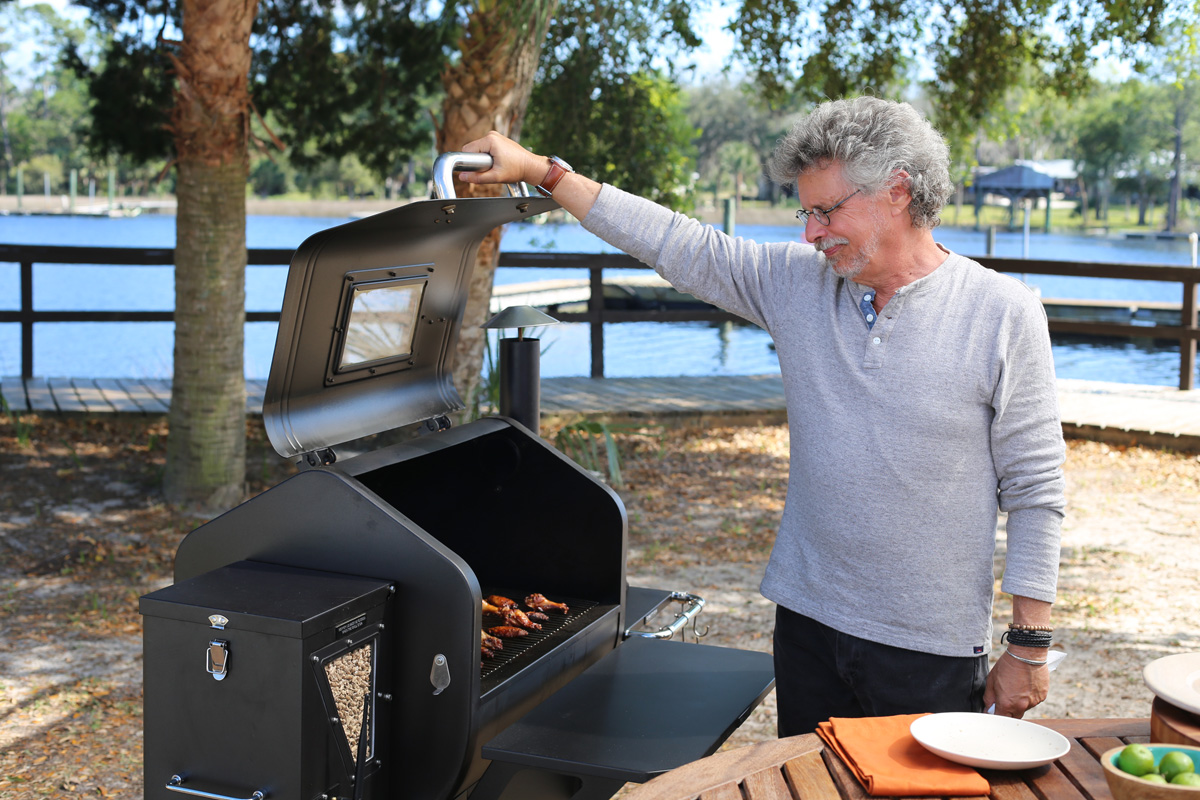
Raichlen frames cherry as the elegant fruit wood — clean, full-flavored, fruity smoke that pairs naturally with salmon, duck, and poultry. He treats it as a versatile crossover wood that also handles beef and pork, useable as chips on charcoal, in a smoker box on gas, or as grilling planks.
- 03
 Meathead GoldwynAmazingRibs
Goldwyn slots cherry into his wood table as medium smoke intensity with high energy output and excellent ember quality. His broader argument: fruit woods like cherry may suggest sweetness more by association than by measurable chemistry, and fire control, meat quality, and seasoning matter far more to the final result than which species is on the coals.
- 04
 Malcom ReedHowToBBQRight / YouTube
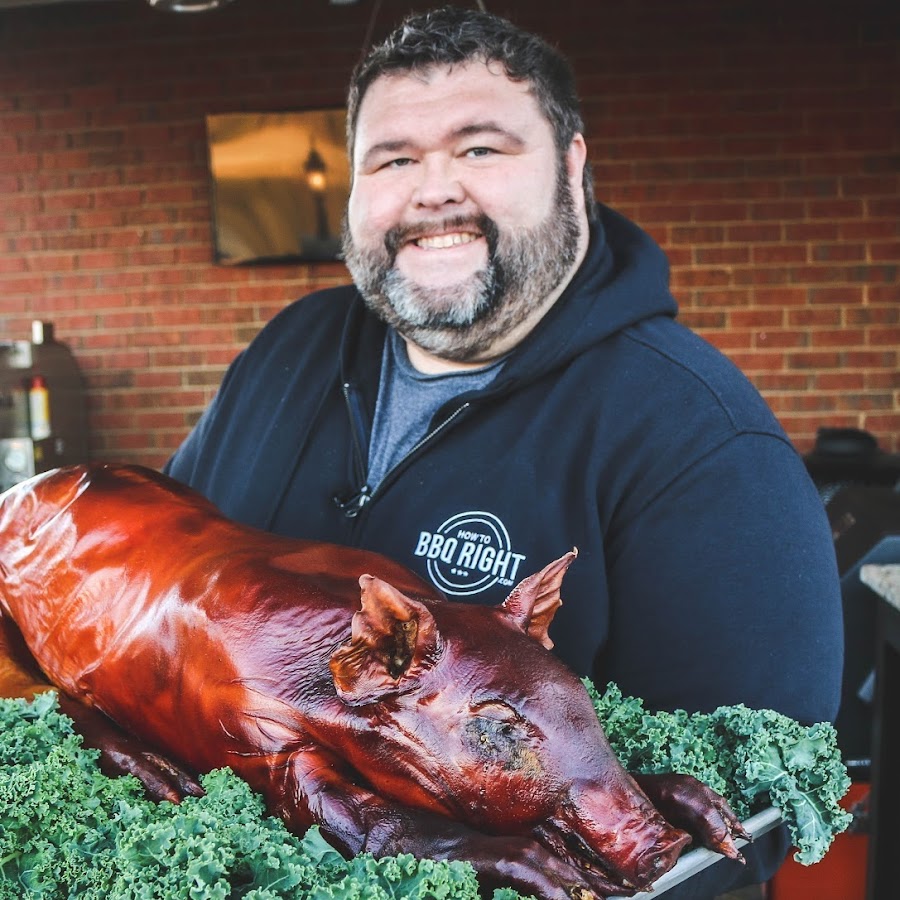
Reed runs an outdoor brisket cook leaning hard on cherry as the primary smoke wood, showcasing the color development and milder smoke flavor cherry produces on a long beef cook — useful for seeing how cherry behaves solo on a cut typically associated with oak or hickory.
Cook it. Save the record.
Every cook gets a permanent entry — cut, fuel, temp, time, photo, what worked. Next time you want to nail that exact crust, you'll have the receipt.