
Kamado
A kamado is a thick-walled ceramic cooker shaped like an egg — the Big Green Egg is the one that put the style on American patios, after Ed Fisher began importing the Japanese design in 1974. The ceramic is the whole point: thick refractory walls and a tight-sealing lid hold heat and moisture the way a kiln does, so a kamado settles at a temperature and sits there for hours on a small bed of lump charcoal, barely needing a tend. Crack the vents wide and it screams past 700°F for pizza and searing; choke them down, drop in a heat deflector, and it holds a clean 225°F for low-and-slow brisket. That range on one fuel-efficient cooker is why owners get evangelical about them. The catch is the price, the weight, and the physics of all that ceramic — it's slow to change its mind, so an overshoot is hard to walk back.
- Fuel
- Lump charcoal (briquettes ash up the vents)
- Sizes
- Tabletop mini up to XL; Large is the standard
- Price
- ~$500 to $1,500+ for a ceramic kamado
- Temp range
- 225°F low-and-slow to 700°F+ for pizza & searing
- Best at
- Versatility + fuel efficiency + moisture retention
- Skill level
- Forgiving to hold; overshoot is the trap
What it is
A kamado is a cooker built from thick ceramic (or other heavy refractory material) in the shape of an egg, with a hinged domed lid and a tight gasket seal. The design is ancient — it descends from the Japanese mushikamado, a lidded ceramic rice steamer, and a lineage of clay cooking vessels going back millennia. American servicemen brought examples home after World War II, and in 1974 Ed Fisher founded Big Green Egg to import and then improve them, replacing the fragile imported ceramic with a tougher version.
Big Green Egg became “the Weber of kamados” — the brand that defined the category in the US — and now shares it with Kamado Joe, Primo, and others. The differences between brands are real but secondary; what makes a kamado a kamado is the thick, heat-hoarding ceramic and the sealed lid. Sizes run from a tabletop mini to an XL, but the Large is the one most people buy.
How the heat moves
The ceramic does the work. Thick walls absorb heat from a small charcoal fire and radiate it back evenly, and the sealed lid means only a trickle of air is needed to keep the fire going. You steer the temperature with a bottom intake vent and a top damper — and because the ceramic mass holds whatever you dial in, a kamado will sit at a target for hours with almost no intervention. A single load of lump can run 16 hours or more.
Out of the box a kamado is a direct, radiant grill. To turn it into an oven or smoker you add a heat deflector (Big Green Egg calls theirs the plate setter) — a ceramic disk that sits between the coals and the food and blocks the direct radiant heat, converting the cooker to indirect. Deflector in, vents low: a smoker. Deflector out, vents wide: a 700°F searing and pizza machine.
Setting it up
Fill the firebox with lump charcoal and light a single small spot, not the whole bed — a kamado holds heat so well that a fully-lit bed runs away hot and is miserable to bring back down. Set your vents for the target and let the temperature rise gradually over 15–20 minutes; sneak up on the number rather than blowing past it. Add the heat deflector and a water pan for low-and-slow cooks; leave it bare and open the vents for a reverse sear or a pizza.
One safety habit is non-negotiable at high heat: burp the lid. Crack it open a few inches, pause a second to let air in slowly, then open the rest of the way. Throwing a sealed, oxygen-starved kamado wide open at 600°F invites a flashback — a sudden gout of flame that can singe your forearms and eyebrows.
Where it earns its keep
The kamado's case is range plus efficiency on one cooker. The same egg smokes a brisket at 225°F, sears a steak, and bakes a pizza at 700°F — and the thick ceramic does it sipping a fraction of the charcoal a kettle burns, holding temperature through cold and wind that would wreck a thin-steel cooker. The sealed, humid chamber also gives up less moisture: meat often finishes juicier than it would on an open grill or in a leaky offset.
And it holds a line with very little babysitting. Where an offset demands a feeding every half hour, a kamado set at 250°F will largely look after itself overnight. For someone who wants real smoke and real searing without tending a fire all day — or paying for two separate cookers — that combination is the whole pitch.
Where it falls short
The first wall is cost. A quality ceramic kamado runs several hundred to well over a thousand dollars — many times a comparable kettle. The second is mass: a Large weighs 150–250 pounds, doesn't travel, and the ceramic can crack if it's dropped or shocked.
The same heat retention that makes a kamado so stable also makes it slow to change its mind. Overshoot your target and you'll wait a long time for all that ceramic to cool — like stopping a semi. Going from a sear-hot 600°F back down to low-and-slow can take the better part of an hour. And the round firebox makes a true two-zone setup awkward, so for pure high-heat grilling with a hot side and a cool side, a kettle is actually more flexible. A kamado is a superb oven and smoker first, and a grill second.
What goes wrong.
Blowing past your target temp
The number-one kamado mistake. All that ceramic holds heat, so a runaway is painfully slow to bring back down. Set the vents early and sneak up on your number — it's far easier to nudge a kamado up than to cool it off.
Lighting the whole charcoal bed
Light one small spot, not the entire firebox. A fully-lit bed in a heat-hoarding cooker runs away hot and blows past low-and-slow temps before you can choke it down.
Skipping the burp
At high heat, flinging a sealed kamado wide open feeds a rush of oxygen to a starved fire and can flash back in your face. Burp it: crack the lid a few inches, pause, then open the rest of the way.
Forgetting the heat deflector
Without the deflector (plate setter), there is no indirect zone — the food sits in direct radiant heat and scorches on a 'low-and-slow' cook. Deflector in for anything but direct grilling.
Burning briquettes instead of lump
Briquettes leave far more ash, which piles up and chokes the bottom vent on a long cook. Lump charcoal burns cleaner, lights faster, and is the kamado standard.
What each of them says.
3 of the people we trust have covered this. Read or watch each in their own words.
- 01
 Meathead GoldwynAmazingRibs.com
Once the ceramic settles at a temperature it holds there for hours on very little charcoal, and a heat-deflector plate turns it into an indirect oven or smoker. Kamados retain moisture beautifully — meat often loses under 20% of its water versus around 30% on an offset. But they're expensive, heavy, and slow to cool once overheated, and the round firebox makes true two-zone grilling hard — so a kamado is arguably a better oven and smoker than it is a grill.
- 02
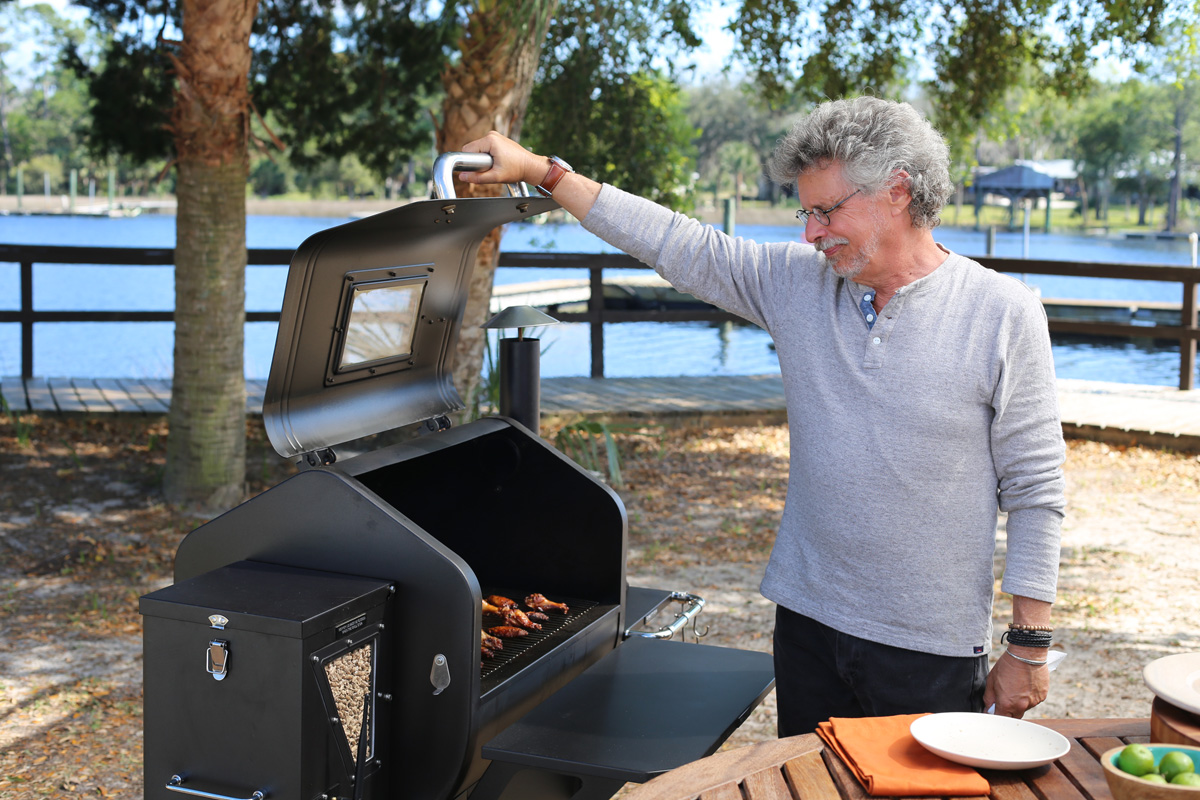 Steven RaichlenBarbecue Bible
The kamado's vent system plus thick ceramic walls and a felt-sealed lid let one cooker do everything: vents wide open for 600–700°F searing, choked down for 225–250°F slow-smoking, and everything in between. A single load of lump can hold steady for 16 to 18 hours. Light a small fire and bring the temperature up gradually — a kamado is far easier to ease upward than to cool back down.
- 03
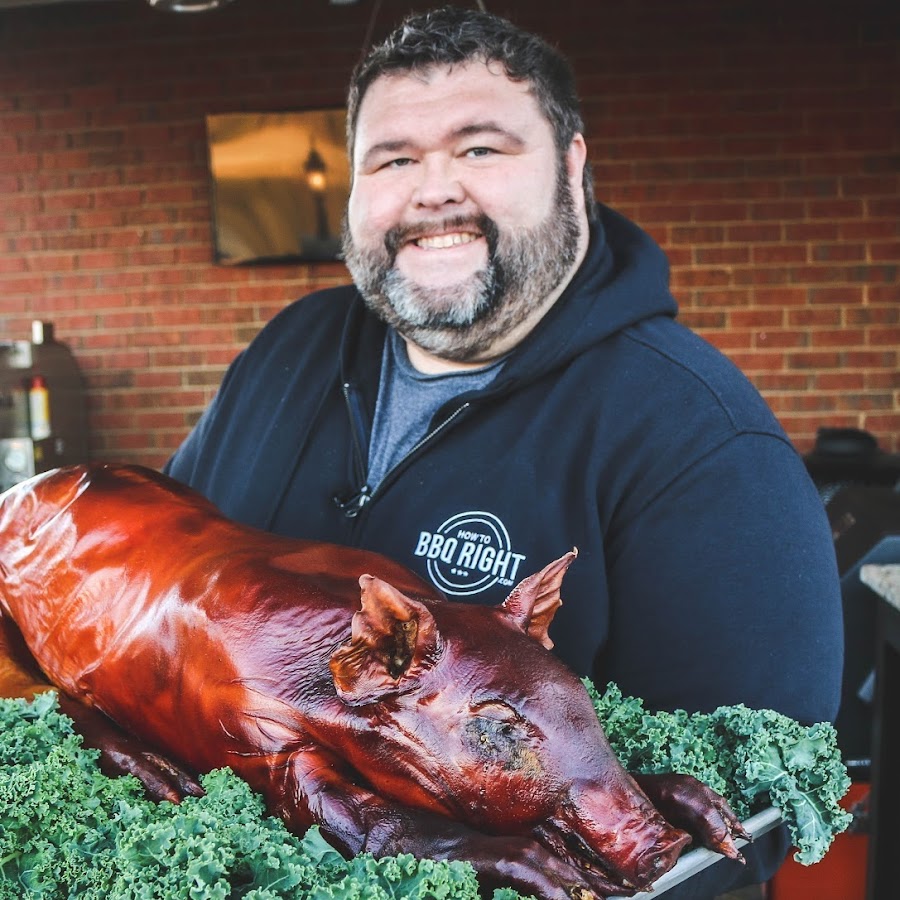 Malcom ReedHowToBBQRight / YouTube
A look at the kamado's high-heat side — Malcom sears filet mignon hot on a Big Green Egg. A useful counter to the idea that a ceramic cooker is only a slow smoker: dialed wide open, it grills as hard as anything.
Cook it. Save the record.
Every cook gets a permanent entry — cut, fuel, temp, time, photo, what worked. Next time you want to nail that exact crust, you'll have the receipt.