
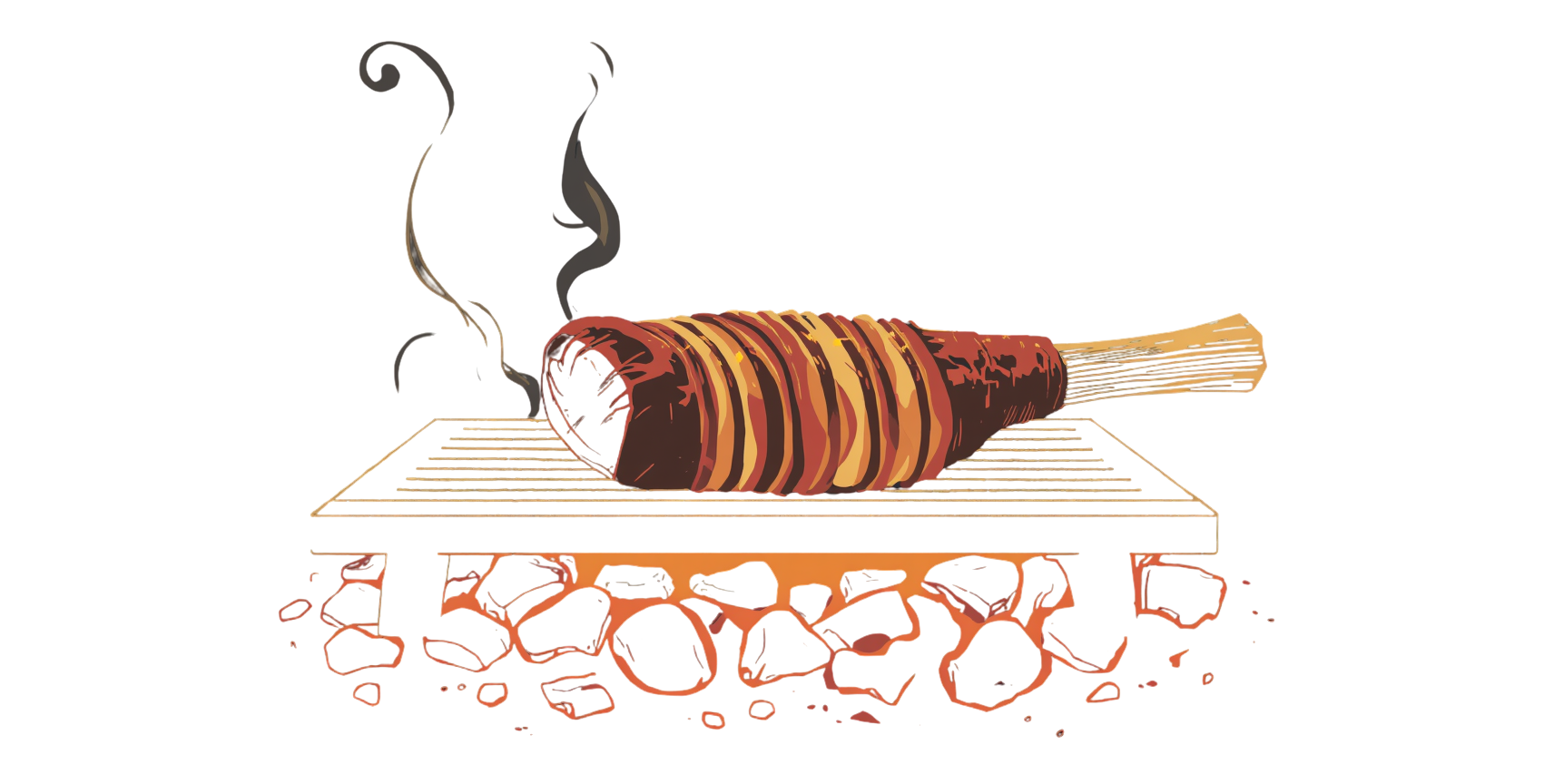
Game & Other
Game and the other off-the-beaten-path proteins share one discipline: pull early, watch close, and add fat where the animal didn’t. Venison and bison are leaner than anything you cook from the grocery case — lean game punishes inattention worse than any beef, and an instant-read thermometer is non-negotiable. Raichlen pulls tender venison at 120-125°F because anything past 130°F turns dry and liver-y. Goat lives in a different world entirely — cabrito and birria are slow, patient, low-and-slow traditions. Halloumi grills like a steak and won’t melt; paneer carries the tikka tradition; tofu wants a hard press and a screaming-hot grate. Dessert gets the coal-bed at the end of the cook. Start with a bison burger or halloumi, and save the backstrap for after the thermometer is in your hand.
- Items covered
- 8 — venison, bison, rabbit, goat, halloumi, paneer, tofu, dessert
- Doneness profile(s)
- Game: 120-130°F (early pull) · Goat: probe-tender ~203°F · Cheeses: by color
- Canonical pairing
- Cherry, apple, or alder wood; salt-pepper-juniper on game
- Hardest to nail
- Venison backstrap — lean = unforgiving, 5°F is the difference
- Easiest to start
- Halloumi (zero-risk) or a bison burger
- Cost range
- ~$5/lb tofu and halloumi to $30+/lb wild-game backstrap
What it is
Everything that doesn’t fit the four big proteins. True game (venison, bison, rabbit), the goat tradition that anchors cabrito and birria, the grilling cheeses (halloumi, paneer) and tofu that turned the grate into a vegetarian medium, and the dessert course finished over dying coals. Eight items, four traditions, one shared tax: most of them will punish you faster than beef ever would.
Wild game built American hunting culture long before backyard BBQ existed — venison and bison were the continent’s default protein for centuries. Goat is the most-eaten meat on the planet outside North America; cabrito (Mexico), birria (Jalisco), curry goat (Caribbean), and Indian and Pakistani goat traditions all predate the offset smoker. Halloumi has been grilled in Cyprus for a thousand years. Tofu over fire is a Japanese and Korean restaurant standard. Dessert on the grill is the newest of the group — pineapple, peaches, and pound cake earned a spot once people figured out that the coal bed was wasted heat after dinner came off.
The unifying skill across all of them is knowing the protein’s fat budget before you light the fire. Game has almost none. Goat has plenty but it’s locked behind hours of collagen. Cheeses and tofu have their own water and oil to manage. Cook by recipe, not by feel, until you’ve learned the specific item.
The lineup
Eight items, four families. The family tells you the method before you know anything else.
True game covers venison, bison, and rabbit — wild or pasture-raised animals running 5-15% body fat versus beef’s 25-30%. Goat is its own family — the cabrito and birria tradition, shoulder-and-leg cooks measured in hours. Grilling cheeses and plant proteins (halloumi, paneer, tofu) hold their shape on a grate and take char like a protein, which is what unlocked them as grill items in the first place. Dessert is the ember-finish course: fruit and cake on the dying coals after the main cook is done. Different traditions, different temperatures, one shared lesson — none of these are forgiving the way a chuck roast is. Read the recipe, pull early, and keep a thermometer in your pocket.
The hits
Eight items, four families. The family tells you the method before you know anything else about the item.
Venison · Bison · Rabbit
The lean animals. Venison is the least forgiving cut on any grill — 5-7% body fat versus beef’s 25%, so the same 5°F overshoot that costs you a ribeye costs you the whole backstrap. Pull at 120-125°F or it turns dry and liver-y. Backstrap is the headline cut; bacon-wrap it to compensate for the missing intramuscular fat. Bison is the leaner beef cousin — treat it like a beef steak but cook ~25% faster and pull 5°F earlier. A bison burger is the gateway drug for the whole category. Rabbit dries out the second you blink. Brine it first (overnight, 3% salt), cook hot-and-fast on skewers or in a two-zone setup, and serve immediately. All three want a instant-read in hand — this is not a poke-test category.
Cabrito · Birria · Curry goat
The patience family. Mexican cabrito roasts a young whole goat over coals; Jalisco birria braises shoulder and leg for hours in a chile-rich consommé; Caribbean and South Asian curry goat traditions do the same with their own spice geometries. Shoulder and leg are low-and-slow cuts — probe-tender around 200-205°F, the same endpoint as a pork shoulder. The flavor is more assertive than lamb but the technique is identical: collagen wants time and humidity. This is a 6-8 hour cook, not a weeknight one.
Halloumi · Paneer · Tofu
The hold-their-shape family. Halloumi is the Cypriot semi-hard cheese that grills like a protein — high melting point, takes a deep golden char, doesn’t puddle through the grates. Brush with oil, hot direct heat, two minutes a side, done. Paneer is the Indian fresh cheese behind paneer tikka — cube it, marinate in yogurt and spices, and run it on skewers over coals. Tofu is the trickiest of the three: press it hard for 30+ minutes to drive out water, marinate aggressively, oil the grates, and use high direct heat. Extra-firm only; silken doesn’t belong on a grate. All three brown by color, not temperature — pull when the surface reads deep golden.
Grilled pineapple · Peaches · Pound cake
The ember-finish course. After the main cook comes off, the coal bed still has hours of usable heat — dessert is what uses it. Pineapple rings, cored and brushed with rum or honey, take beautiful grill marks and Maillard caramelization in 3-4 minutes a side. Peaches halved and pitted, cut-side down, char up sweet and syrupy in two minutes. Pound cake sliced thick gets a griddle-style toast on the dying grate. Serve with ice cream and watch the cook’s reputation climb a full tier.
Cut & method
The quick-reference layer. Game doneness targets are pull temperatures — carryover adds a few degrees during the rest, and the lean cuts have almost no margin.
| Cut | Best method | Doneness | Note |
|---|---|---|---|
| Venison backstrap | Reverse sear, bacon-wrap | 120-125°F (pull) | Past 130°F = dry and liver-y |
| Venison steaks | Hot sear, short | 120-125°F (pull) | Finish with butter; don’t skip the rest |
| Bison steak | Reverse sear or grill | 125-130°F (pull) | Cooks ~25% faster than beef; pull early |
| Bison burger | Direct heat | 160°F (ground) | Don’t press — lean grind dries fast |
| Rabbit | Brine, then two-zone | 160°F (thigh) | Overnight brine is non-negotiable |
| Goat shoulder / leg | Smoke, low-and-slow | Probe-tender ~203°F | Same chemistry as pork shoulder |
| Cabrito (whole young goat) | Open-fire roast | Probe-tender | 4-6 hours over wood coals |
| Halloumi | Hot direct heat | Deep golden, by color | 2 min/side; oil the cheese, not the grate |
| Paneer | Marinate, skewer, grill | Char-spotted, by color | Yogurt marinade is the tikka tradition |
| Tofu (extra-firm) | Press, marinate, hot direct | Charred edges, by color | Press 30+ min; oil grates aggressively |
| Grilled pineapple | Direct heat | Caramelized, by color | 3-4 min/side; brush with rum or honey |
| Grilled peaches | Direct heat, cut-side down | Char marks, by color | 2 min; serve with ice cream |
| Pound cake | Dying coals | Toasted, by color | Thick slices; 1 min/side on the cooling grate |
Where to start
Three on-ramps, by how much risk you’re willing to accept.
Zero-risk introduction
PickHalloumiBuys you a deep golden char in four minutes with no thermometer and no risk of overcooking. Brush with oil, hot direct heat, flip once. The category’s perfect first lesson.
First wild-game cook
PickBison burgerFamiliar format, leaner flavor, no exotic-sourcing problem. Cook to 160°F like any ground beef but watch closely — bison runs 25% faster than its cousin and dries fast.
Ready for the real game cook
PickVenison backstrapThe headline cut on a deer. Bacon-wrap to compensate for the missing fat, reverse-sear at 225°F to a 120-125°F pull, and don’t step away from the thermometer. The 5°F between great and ruined is the whole lesson.
Where it falls short
The off-the-beaten-path mistakes that ruin dinners:
Treating lean game like beef
Venison and bison punish a 5-minute distraction the way no beef cut does. Past 130°F internal, lean game turns liver-y and dry — the same window that’s medium-rare on a ribeye is wreckage on a backstrap. Pull early, rest, slice thin.
Rushing goat
Goat shoulder and leg are collagen-dense cuts. They need hours of low-and-slow heat to convert that collagen to gelatin — tough, dry, chewy goat is always a not-enough-time problem, not a too-much-time problem. Plan for 6-8 hours and resist the urge to pull it.
Skipping the tofu press
Tofu straight from the package carries enough water to steam itself on the grate — you get gray, slick, sticky cubes instead of charred edges. Press extra-firm for at least 30 minutes under a heavy weight, oil the grates aggressively, and only then reach for the hot zone.
Sourcing roulette
Game availability and quality vary wildly — “venison” can mean axis, nilgai, whitetail, or red deer, each with different fat profiles and gaminess. Find a farm or butcher you trust before you commit to a centerpiece cook, and start with axis or nilgai over strong whitetail if you’re new to the protein.
Cooking by feel instead of by thermometer
Almost every protein in this category lies to the poke test. Lean game cooks too fast for finger- doneness to track; cheeses don’t change texture until they’re over; goat is over hours of low heat, not minutes. The thermometer (and a recipe card) is the difference between a great cook and a story you don’t tell anyone.
What each of them says.
4 of the people we trust have covered this. Read or watch each in their own words.
- 01
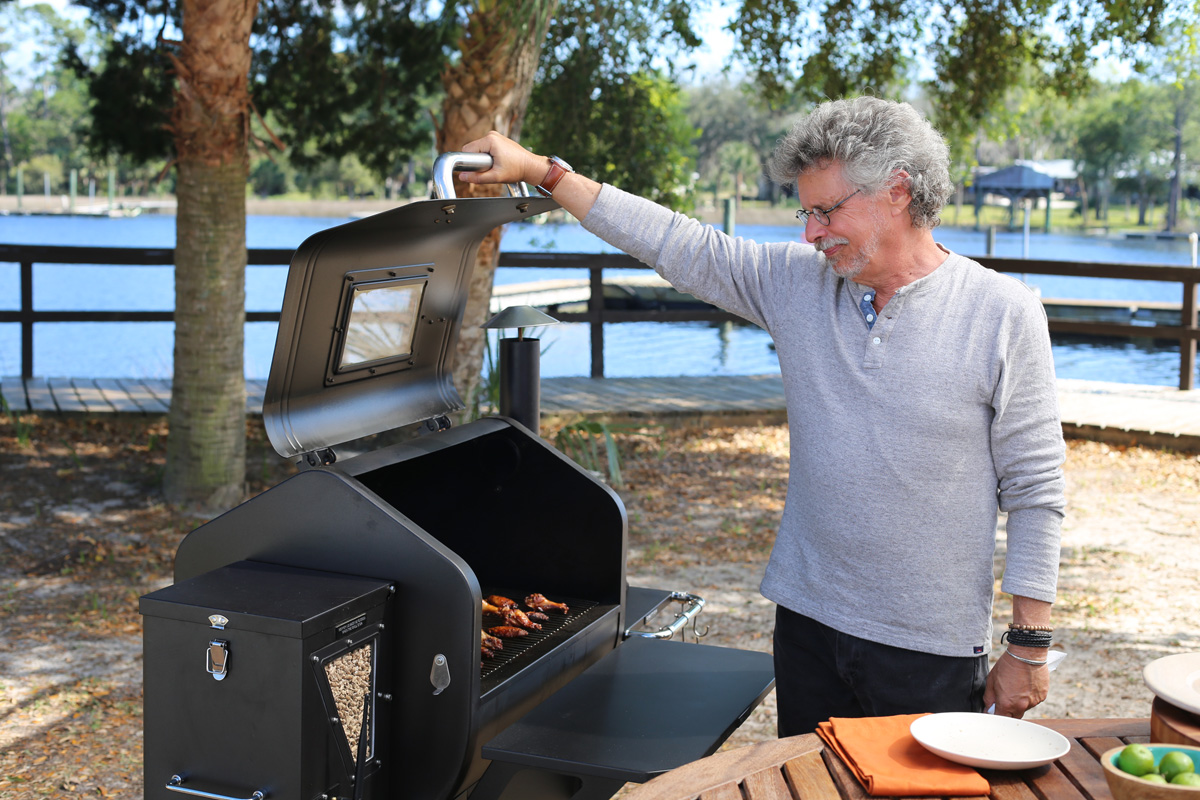 Steven RaichlenBarbecue Bible
Game lives or dies by three rules — cook fast, pull early, add fat. Raichlen pulls tender venison at 120-125°F because anything beyond that turns dry and liver-y, and he leans on brines, marinades, injections, or a bacon wrap to make up for the missing intramuscular marbling. For first-timers he points at axis deer or nilgai over strong whitetail, the same way a Grilln user should start with bison burgers before going deep on backstrap.
- 02
 Meathead GoldwynAmazingRibs
Meathead's site treats venison as a temperature-discipline problem first and a flavor problem second. Bacon-wrap the backstrap to compensate for near-zero intramuscular fat, run the pit hot enough to crisp the bacon, and pull at 125-130°F internal — the same window that ruins beef ribeye is exactly where lean game lands. Instant-read thermometer is non-negotiable; this is not a poke-test protein.
- 03
 Susie BullochHey Grill Hey
Susie reverse-sears venison — 225°F smoke until 125°F internal, then a screaming cast-iron finish at 500°F+ for two to three minutes a side. Her one line you should tattoo on the lid: 'don't be scared of butter. Venison is notoriously lean.' Cherry, apple, alder, or pecan over hickory or mesquite — the meat already carries plenty of its own assertion.
- 04
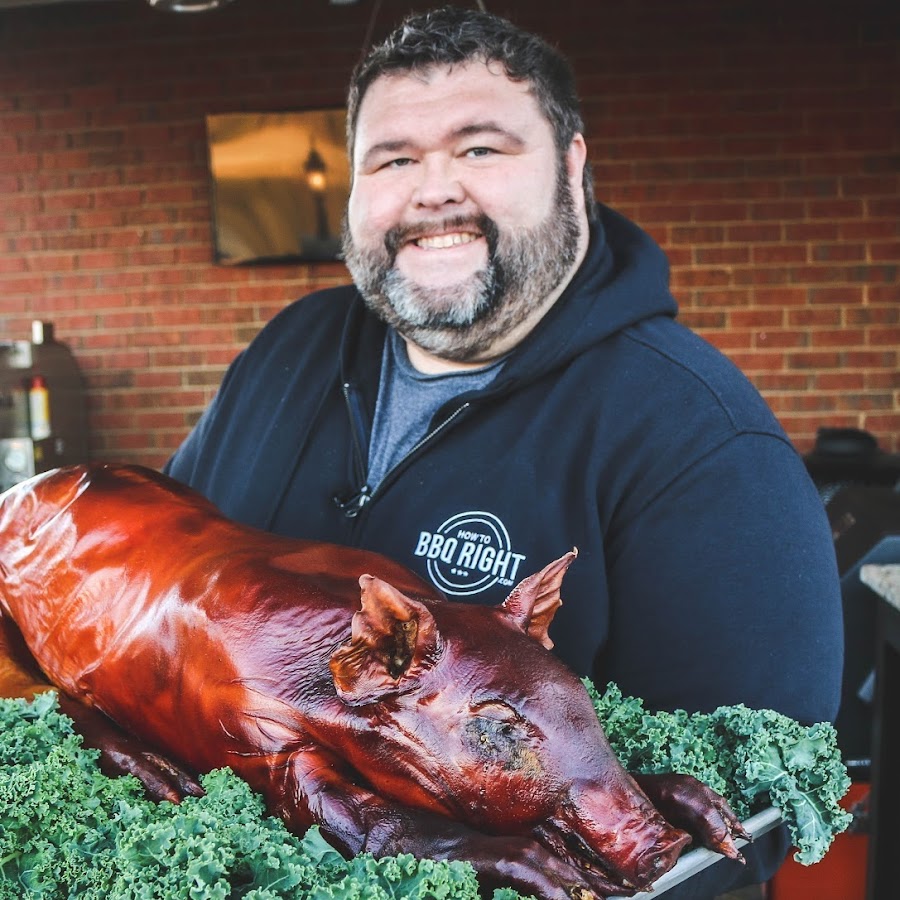 Malcom ReedHowToBBQRight / YouTube
Malcom butterflies the backstrap, stuffs it with cream cheese + bacon + mushrooms + onion, wraps the whole thing in more bacon, and runs the pit at 350°F until the internal hits 125-130°F — about 30 minutes. The technique masterclass for the single highest-leverage cut on a deer.
Cook it. Save the record.
Every cook gets a permanent entry — cut, fuel, temp, time, photo, what worked. Next time you want to nail that exact crust, you'll have the receipt.