
The Stall
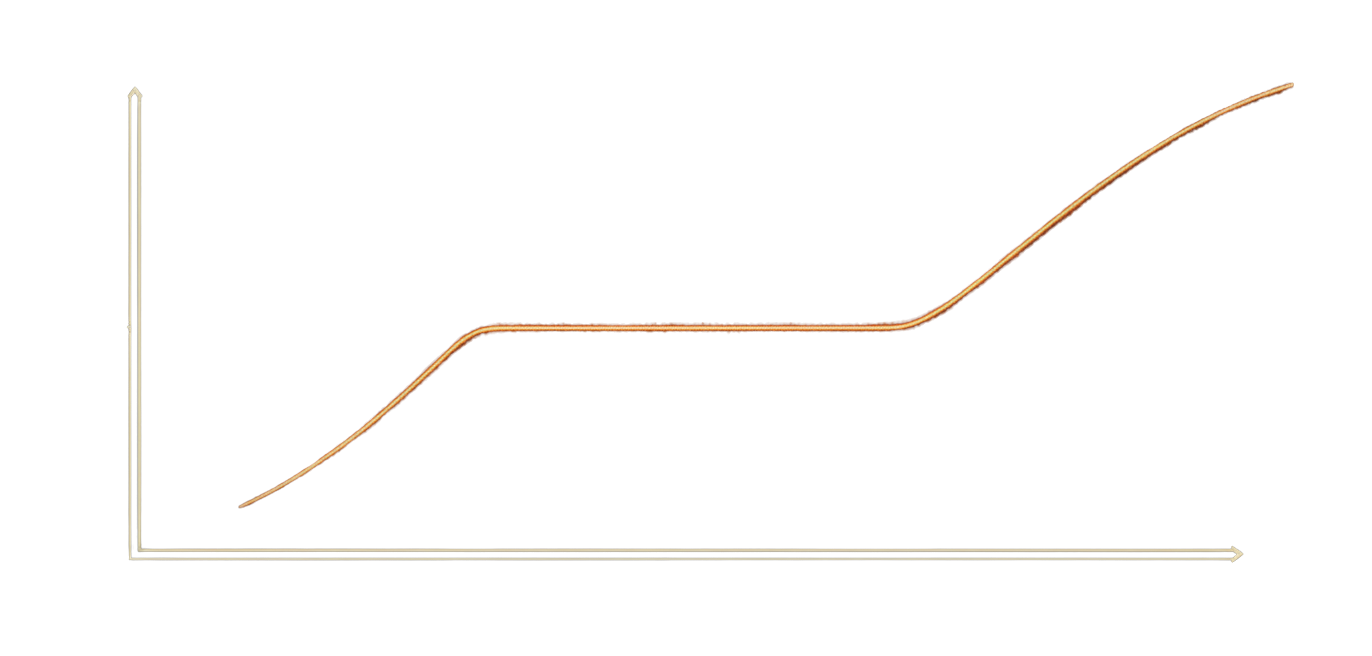
The stall is the temperature plateau a smoking brisket (or pork shoulder, or any big cut) hits at around 150–170°F internal. The probe stops moving, sometimes for hours. The cause isn't collagen, fat, or anything wrong — it's pure physics: moisture rises to the meat's surface and evaporates, carrying heat away as it goes, the same way sweat cools skin. The stall ends when the surface dries enough that evaporation can't keep pace with the pit's heat input — usually 1–6 hours after it begins, faster if you wrap the meat to cap the moisture loss. Greg Blonder's 2016 experiments at Meathead Goldwyn's request settled the question after 20+ years of BBQ-community speculation about other causes.
- When it hits
- 150–170°F internal — usually 4–6 hours into a brisket cook
- Typical duration
- 1–6 hours, depending on humidity and pit temp
- Cause
- Evaporative surface cooling — moisture rising to the surface pulls heat away
- First documented
- Greg Blonder's 2016 experiments at Meathead Goldwyn's request
- Three ways to break it
- Wait it out, wrap to cap moisture loss, or raise the pit temp
- What it isn't
- Collagen conversion, fat rendering, or anything wrong with the cook
The phenomenon
You light the smoker, set it for 225°F, throw on a brisket, and the internal temp climbs steadily — until it hits about 150°F. Then it stops. Hours pass. The pit is hot. The probe doesn't move. This is the stall, and it can last anywhere from one hour to six.
It's the most common reason people pull a brisket too early, crank the heat in a panic, or quietly stop telling friends they cook BBQ. None of that is necessary. The stall is predictable, it's a sign the cook is going right, and there's nothing wrong with the meat.
The science behind it
As the meat cooks, moisture rises to the surface and evaporates. That evaporation pulls heat away from the meat — the same way sweat cools your skin. For several hours, the energy coming in from the smoker roughly equals the energy leaving via evaporation, so the internal temperature plateaus.
Physicist Greg Blonder ran the definitive experiments in 2016 at Meathead Goldwyn's request. Before that, the BBQ community blamed collagen conversion, fat rendering, and other guesses. Blonder's work showed it's almost entirely evaporative cooling — which is why wrapping the meat in foil or butcher paper breaks the stall (it stops the evaporation; the temperature inside the wrap approaches a slow simmer).
In the cook
Three ways through the stall, in order from purist to pragmatic:
| Approach | Through stall | Bark | Total cook (225°F) |
|---|---|---|---|
| Wait it out | 2–4 hrs | Deepest | 12–14 hrs |
| Wrap the meat | 30–60 min | Softer (foil), preserved (paper) | 8–10 hrs |
| Hot and fast | Bypassed | Suffers | 6–8 hrs |
Wrap timing is around 165–170°F internal. Foil pushes through fastest but softens the bark; pink butcher paper (Aaron Franklin's signature method) breathes more and preserves bark — the canonical Texas-brisket choice. See the Texas Crutch for the full wrap-decision tree.
Hot-and-fast cooking runs the pit at 275–325°F. The higher heat input overwhelms the evaporative cooling so the stall barely registers. Bark suffers compared to low-and-slow, but you can do a brisket in 6–8 hours instead of 14.
When it's done
The stall ends when heat input exceeds evaporative cooling. That happens when the meat surface dries enough, when you cap the moisture loss with a wrap, or when you raise the pit temp.
Once it breaks, internal temp climbs from ~170°F to ~203°F (probe tender) over 1–3 hours.
| Unwrapped at 225°F | 12–14 hours |
| Wrapped at 225°F | 8–10 hours |
| Hot and fast (275–325°F) | 6–8 hours |
What people get wrong.
Collagen conversion causes the stall
The most popular wrong explanation. Before Greg Blonder's 2016 experiments, the BBQ community blamed collagen conversion absorbing energy as it broke down into gelatin. The math doesn't work: collagen conversion releases some energy as bonds break, but nowhere near enough to plateau the temperature for hours. The actual cause is evaporative cooling at the meat surface.
Raising the heat works because the meat is finished
Cranking the pit from 225°F to 300°F often pushes a stalled brisket past the plateau, and the natural inference is that the cook somehow finished. It didn't. Higher heat just overwhelms evaporative cooling — more energy in than out. The meat still isn't probe-tender; it still needs to climb to ~203°F internal. The fix breaks the stall but doesn't change the destination.
Lean cuts don't stall
Marbling doesn't drive the stall. Any cut with surface moisture stalls — chicken stalls, pork loin stalls, even a roast chicken hits a brief plateau around 150°F. Brisket and pork shoulder stall longer because they're bigger and cooked longer at the relevant temperature range, not because they're fattier.
The stall is unique to brisket
Brisket gets all the attention because it's the canonical long-cook BBQ cut, but the same physics hits every other slow-cooked piece of meat. Pork shoulder/butt stalls in the same band. Whole turkey can stall. Even big roasts in a low oven hit a brief plateau as moisture rises. Different scale, same phenomenon.
What each of them says.
3 of the people we trust have covered this. Read or watch each in their own words.
- 01
 Meathead GoldwynAmazingRibs.com
The BBQ stall isn't collagen conversion or fat rendering — physicist Greg Blonder ran the definitive 2016 experiments at my request, and the answer turned out to be evaporative cooling. Moisture rising to the meat's surface evaporates and carries heat away with it, like sweat cooling skin. Wrapping the meat in foil or butcher paper stops the evaporation and breaks the stall in under an hour.
- 02
 Steven RaichlenBarbecue Bible
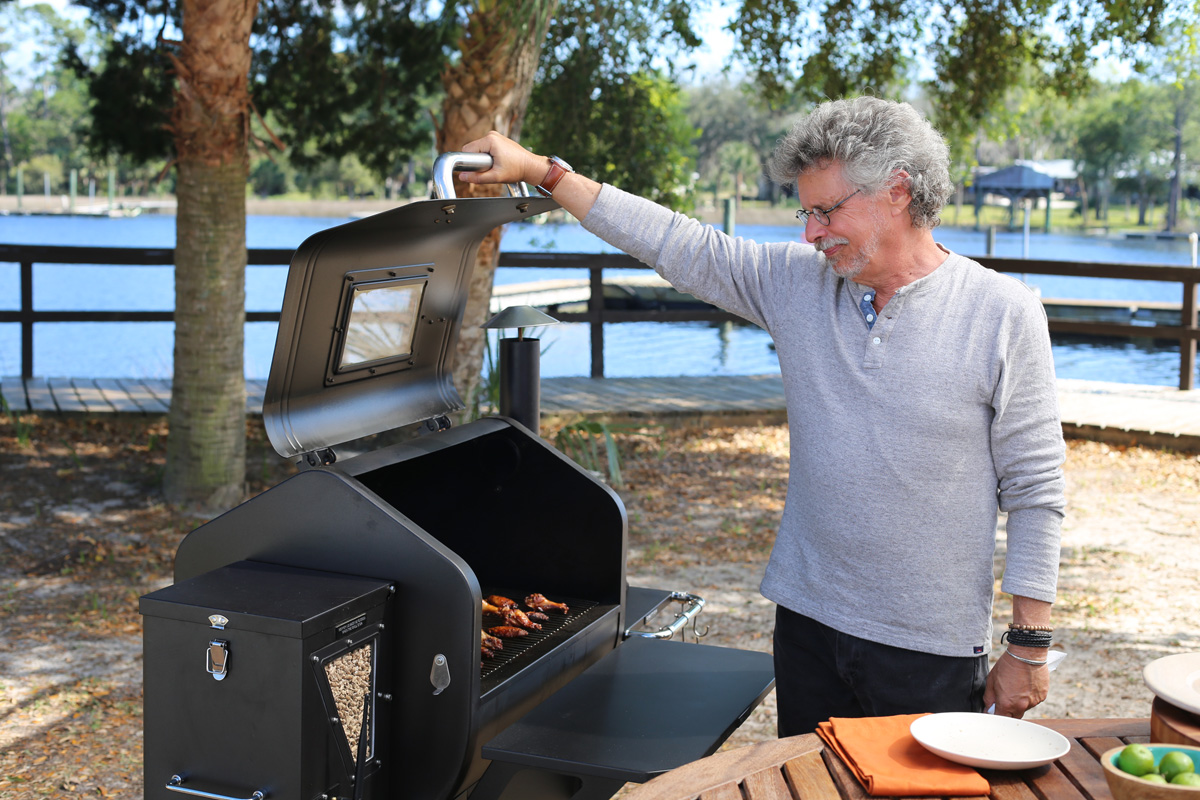
The brisket stall hits 6 to 8 hours into the cook when internal temperature is in the 150–170°F range — sometimes the temperature actually drops a few degrees, for an hour or more. It results from moisture evaporating off the meat surface, cooling it the way sweat cools you in hot weather. The stall normally lasts 2–3 hours. Be patient — or wrap in aluminum foil around 175–180°F (later than Franklin's 160–165°F) to push through while keeping more bark intact.
- 03
 Mad Scientist BBQYouTube — Jeremy Yoder
Jeremy walks through brisket cooking with chemistry-teacher rigor — testing variables, measuring temperatures, debunking common myths about wrap timing and the stall. Methodical Mad Scientist treatment of the long-cook physics.
Cook it. Save the record.
Every cook gets a permanent entry — cut, fuel, temp, time, photo, what worked. Next time you want to nail that exact crust, you'll have the receipt.