
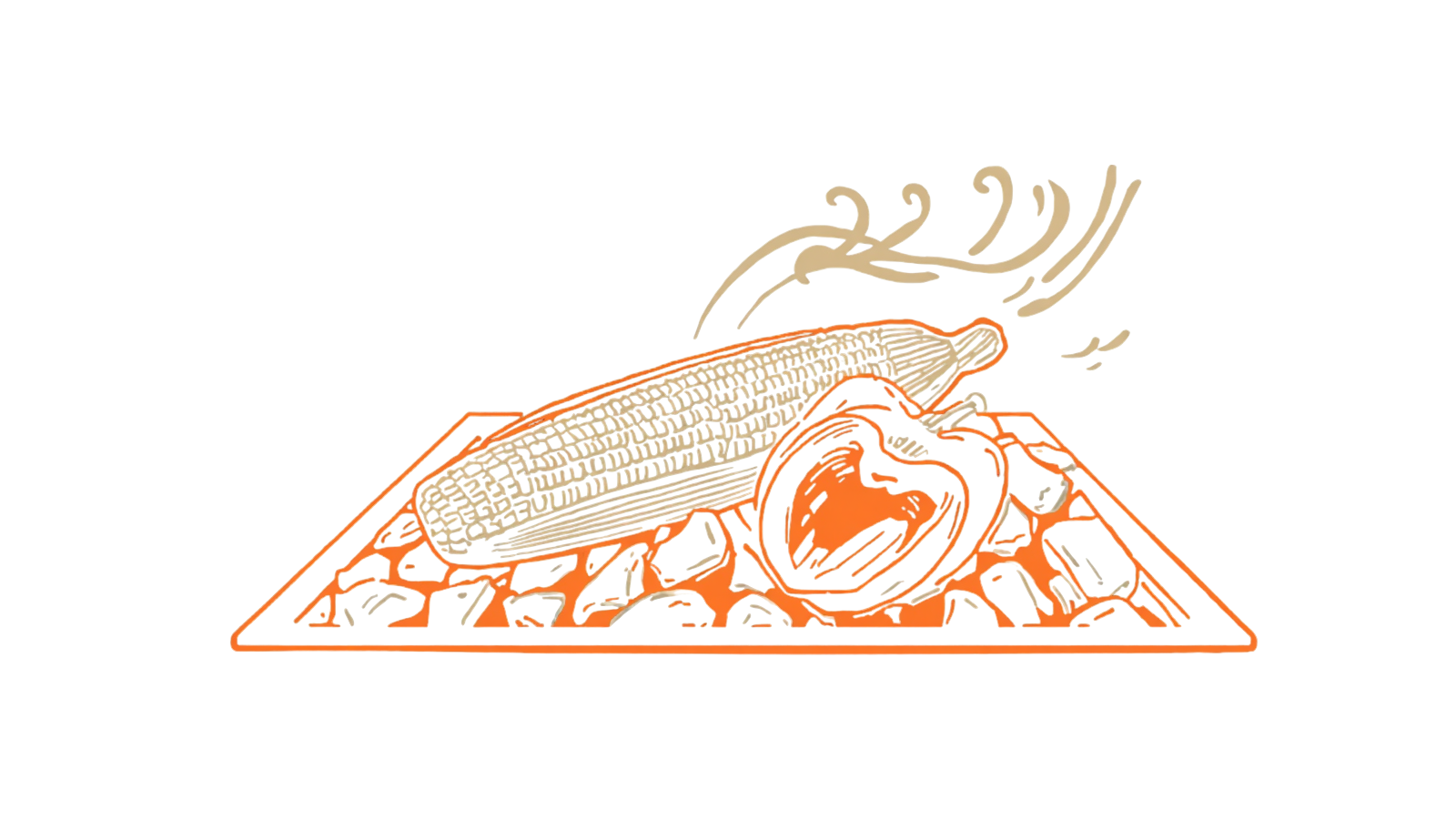
Veg & Sides
Vegetables on the grill are not garnish. The same Maillard chemistry that builds a steak crust caramelizes plant sugars into something sweeter and deeper than any pan or oven delivers — which is why Steven Raichlen wrote a whole book on it. The category splits four ways: char-and-serve (asparagus, peppers, zucchini, broccoli, Brussels sprouts), the meaty ones (portobello, eggplant, cauliflower steaks), slow-and-sweet (corn, onions, potatoes, sweet potatoes), and the surprises (pineapple, tomato, avocado). Doneness is visual — blistered skin, leopard spots, tender at the probe, collapse — not a temperature. Oil and salt before the fire, finish with acid (lemon, vinegar, lime), and use a basket or thin metal rods for anything that would fall through the grates.
- Items covered
- 15 — corn to avocado
- Doneness profile
- Visual — char, blister, tenderness, collapse (no internal temps)
- Canonical pairing
- Olive oil + salt before fire; acid (lemon, vinegar) after
- Hardest to nail
- Eggplant — turns to mush if rushed or under-oiled
- Easiest to start
- Corn, then portobello, then peppers
- Cost range
- ~$1/ear corn to $4-6/lb asparagus and Brussels sprouts
What it is
Vegetables over live fire are one of the oldest cooking traditions on earth — corn roasted on coals predates American barbecue by millennia, and every live-fire culture from Argentine asado to Italian braciole to Indian tandoor treats produce with the same respect as the meat. The American backyard tradition has been slower to catch up, but the modern shift is real: vegetables are the side dish only when the cook wastes them.
The case for grilling produce is chemistry. High dry heat caramelizes the natural sugars in plant cell walls the same way it browns a steak crust — Maillard reaction and direct caramelization combined — producing flavors that boiling, steaming, or baking can never reach. A blistered pepper, a charred ear of corn, a portobello with grill marks: these are not consolation prizes for vegetarians. They’re the whole point.
Fifteen items make up the working backyard canon, and they sort cleanly into four families by how the fire treats them.
The lineup
Unlike beef or pork, vegetables don’t come from one source — they’re a category-of- categories spanning fruits, tubers, brassicas, alliums, fungi, and nightshades. What organizes them on the grill isn’t their botanical family but their water content, density, and sugar load. Those three variables decide how the fire treats them.
High-water, thin-walled vegetables (asparagus, peppers, zucchini, broccoli, Brussels sprouts) blister fast over direct heat — the skin chars while the inside steams in its own moisture. The meaty ones (portobello, eggplant, cauliflower) have enough structure to be cut into steaks and stand-in for protein on a plate. The dense and starchy group (corn, onions, potatoes, sweet potatoes) needs longer, gentler heat to convert starch to sugar — this is the slow-and-sweet family. And the fruits-on-the-grill surprises (pineapple, tomato, avocado) deliver caramelized dessert-territory flavor with seconds of contact, not minutes.
The hits
Fifteen items, four families. The family tells you the method before you know anything else.
Asparagus · Peppers · Zucchini · Broccoli · Brussels sprouts
High direct heat, blistered edges, minutes not hours. Asparagus wants 3-5 minutes over hot coals — roll the spears so each side picks up color. Peppers (bell, poblano, shishito) char until the skin is leopard- spotted, then steam in a covered bowl to peel. Zucchini sliced lengthwise into half-inch planks keeps shape; thinner cuts collapse. Broccoli and Brussels sprouts want par-boiled or oiled and tossed into a grill basket so the small florets don’t fall through. Halved sprouts cut-side down for caramelization.
Mushrooms (portobello) · Eggplant · Cauliflower steaks
The vegetables that hold structure like meat. Portobello caps take a marinade like a steak — balsamic, soy, garlic — and grill gill-side up first so the juices pool, then flipped to char the cap. Eggplant in half-inch rounds wants generous oil before the fire (it drinks oil; under-oiled eggplant turns to leather). Cauliflower steaks — cross-sections cut through the core so the stem holds the florets together — sear cleanly over a two-zone fire and finish on the cool side. All three eat like main courses.
Corn · Onions · Potatoes · Sweet potatoes
The starches and sugars that reward time on the grate. Corn has two camps: husk-on (steams in its own moisture, then peels back for a quick char) and naked kernels (blisters fast, Mexican street-corn style). Onions cut into thick rings or quartered with root attached go sweet and jammy at 350-400°F. Potatoes and sweet potatoes wrap in foil or ride directly on the coals (ember-roasted) for 45-60 minutes — or join a low-and-slow smoke alongside the brisket and pick up hours of smoke flavor.
Pineapple · Tomatoes · Avocado
Fruits that the fire transforms. Pineapple rings caramelize into dessert territory — the natural sugars convert in 2-3 minutes per side over direct heat, perfect for ice cream or carnitas tacos. Tomatoes halved and grilled cut-side down for 60-90 seconds intensify into a bruschetta topping or sauce base. Avocado halved, pitted, brushed with oil, and grilled cut-side down for under a minute picks up grill marks and a smoky edge without losing structure. All three want seconds of contact, not minutes — walk away and they collapse.
Cut & method
The quick-reference layer. Doneness is visual, not temperature — look for blister, char, tenderness, or collapse.
| Item | Best method | Doneness | Note |
|---|---|---|---|
| Corn (husk-on) | Direct, medium heat | Husk charred, kernels tender | 15-20 min, peel back to finish char |
| Corn (naked) | Direct, high heat | Leopard-spotted kernels | 8-10 min, roll often |
| Asparagus / zucchini | Direct, hot | Blistered, tender at the probe | Half-inch planks; 3-5 min per side |
| Peppers (bell, poblano) | Direct, high heat | Skin blackened, collapsing | Steam in a bowl to peel |
| Broccoli / Brussels sprouts | Direct in basket | Charred edges, tender core | Sprouts cut-side down first |
| Portobello | Direct, marinated | Tender, juicy at the gills | Gills up first to pool juices |
| Eggplant | Direct, well-oiled | Collapsing, creamy inside | Drinks oil; salt first to draw water |
| Cauliflower steaks | Two-zone | Charred crust, tender stem | Cut through the core to hold together |
| Onions | Direct, medium | Sweet, jammy, collapsing | Thick rings or root-attached quarters |
| Potatoes / sweet potatoes | Indirect or ember-roast | Probe slides in clean | 45-60 min wrapped; longer on the smoker |
| Pineapple | Direct, hot | Caramelized, grill-marked | Half-inch rings; 2-3 min per side |
| Tomatoes | Direct, brief | Charred edges, intact shape | Cut-side down, 60-90 seconds |
| Avocado | Direct, brief | Grill-marked, still firm | Halved, oiled, under a minute |
Where to start
Three on-ramps for first-time veg grilling, by what you’re trying to learn.
First veg cook ever
PickCornForgiving, familiar, crowd-pleasing. Husk-on for a gentle first attempt or naked over hot coals for Mexican street-corn territory. Hard to ruin and the flavor jump from boiled is enormous.
First meaty-veg main course
PickPortobelloThe gateway meaty veg. Marinated portobello caps cook like steaks — same direct heat, same timing, same plate weight. The cleanest way to prove vegetables can carry a meal.
First char-and-serve side
PickPeppersBell peppers blister into something sweeter than raw, and shishitos are the easy beer-snack version — toss with oil and salt, hot grate, two minutes per side. Direct-heat fundamentals in five minutes.
Where it falls short
The veg-grilling mistakes that turn dinner into a side salad:
Small pieces falling through the grates
Cherry tomatoes, broccoli florets, mushroom slices, and onion rings will drop straight into the coals without help. Use a grill basket, a perforated metal pan, or thin metal rods to keep small pieces above the fire. The cook is the same; the catchment changes.
Wet vegetables steaming instead of charring
Surface moisture is the enemy of Maillard browning — water has to evaporate before the surface hits browning temperature. Pat washed vegetables bone-dry with a towel before they touch oil, and oil them lightly rather than drowning them. Wet food on a hot grill just hisses and stays gray.
Overcrowding the grate
Vegetables packed shoulder-to-shoulder release steam in a cloud that kills char on every piece in the cluster. Leave gaps the size of the items themselves so heat can reach the surfaces and moisture can escape. Two batches over one overloaded grate.
Treating delicate veg like a long cook
Tomato and avocado want seconds of grate contact, not minutes. Cherry tomatoes collapse; halved avocados turn to paste. Sear the cut face hot and fast, pull while structure is still intact, and let the residual heat finish them on the plate.
Under-oiling and forgetting the acid
Oil before the fire is the heat-transfer layer that turns char into caramelization — skip it and the veg sticks, tears, and dries. Acid after the fire (lemon, lime, vinegar) is the brightness that wakes up everything sweet and smoky the grill put in. The fastest possible upgrade to any finished plate.
What each of them says.
4 of the people we trust have covered this. Read or watch each in their own words.
- 01
 Steven RaichlenBarbecue Bible
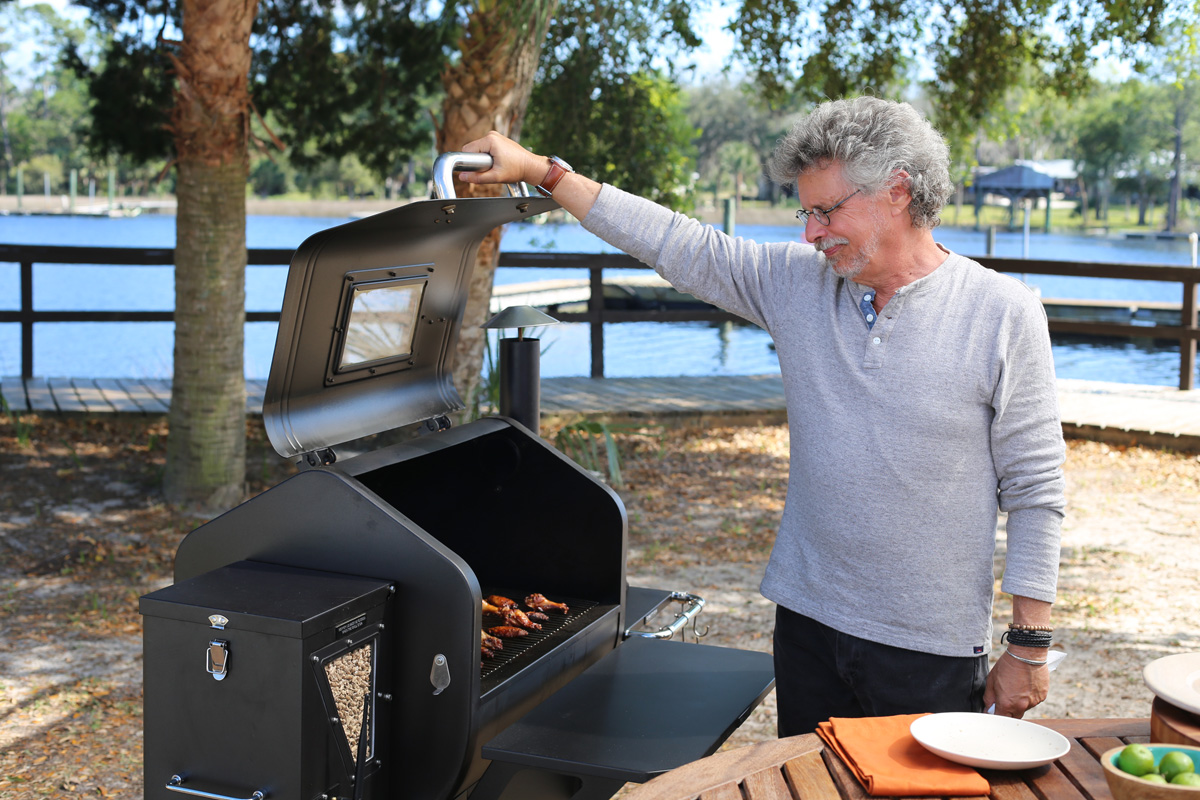
Raichlen — who literally wrote How to Grill Vegetables — argues live fire is the best way to cook produce, not the afterthought side. The high dry heat caramelizes natural plant sugars, making grilled vegetables sweeter and smokier than anything boiled or baked. Most go straight on the grates over direct heat; dense roots like potatoes get indirect or ember-roast treatment.
- 02
 Susie BullochHey Grill Hey
Susie's practical playbook: marinate cut vegetables 30–40 minutes in a balsamic mix, then hit a 400–425°F grill in a basket for 20–25 minutes. The key move is pairing veg with similar cook times — broccoli, cauliflower, peppers, zucchini, and squash all play together cleanly, while dense pieces or quick-cookers get their own run.
- 03
 Malcom ReedHowToBBQRight / YouTube
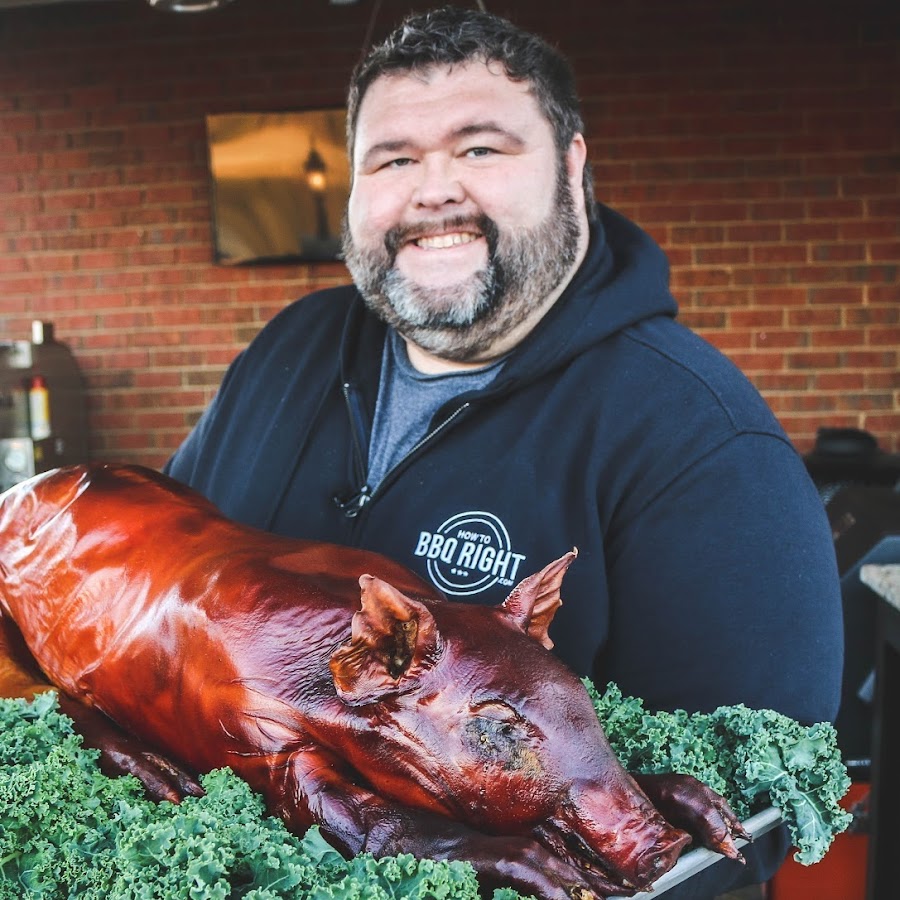
Corn is the where-to-start veg, and Malcom's Mexican street corn is the gateway recipe — naked kernels straight on the grates, blistered, then finished with crema, cotija, and lime. Forgiving, familiar, crowd-pleaser.
- 04
 Chud's BBQChud's BBQ / YouTube
The slow-and-sweet move — potatoes ride the smoker alongside the protein, soaking up smoke for hours, then get loaded with brisket and the works. Bradley shows how a side becomes the whole plate when you treat it with the same respect as the meat.
Cook it. Save the record.
Every cook gets a permanent entry — cut, fuel, temp, time, photo, what worked. Next time you want to nail that exact crust, you'll have the receipt.